Teerthak Journal · Temple Guides · Braj Dham
Maa Katyayani Shakti Peeth Vrindavan (Radha Bagh) Complete Guide: Where Goddess Sati’s Hair Tresses Fell & the Gopis Prayed to Wed Sri Krishna
Visit one of India’s 51 ancient Shakti Peethas right inside Vrindavan—Sri Katyayani Peeth (Uma Shakti Peeth) at Radha Bagh near Rangji Mandir: where Goddess Sati’s hair locks (Kesh-pasha) fell, why the unmarried Gopis chanted the Katyayani Maha-Mantra here during Margashirsha to obtain Sri Krishna as their husband, and complete Navaratri & daily darshan timings.
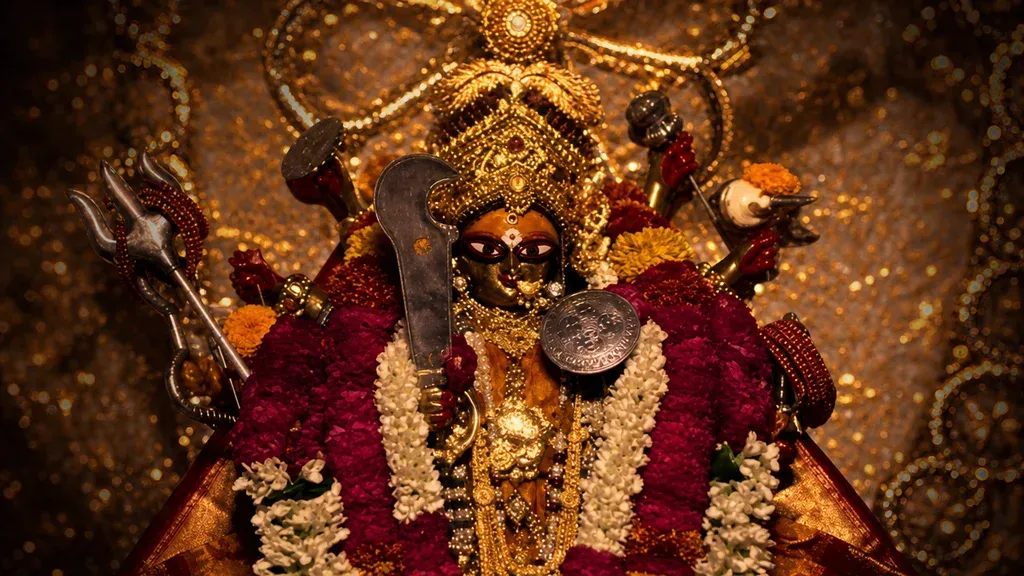
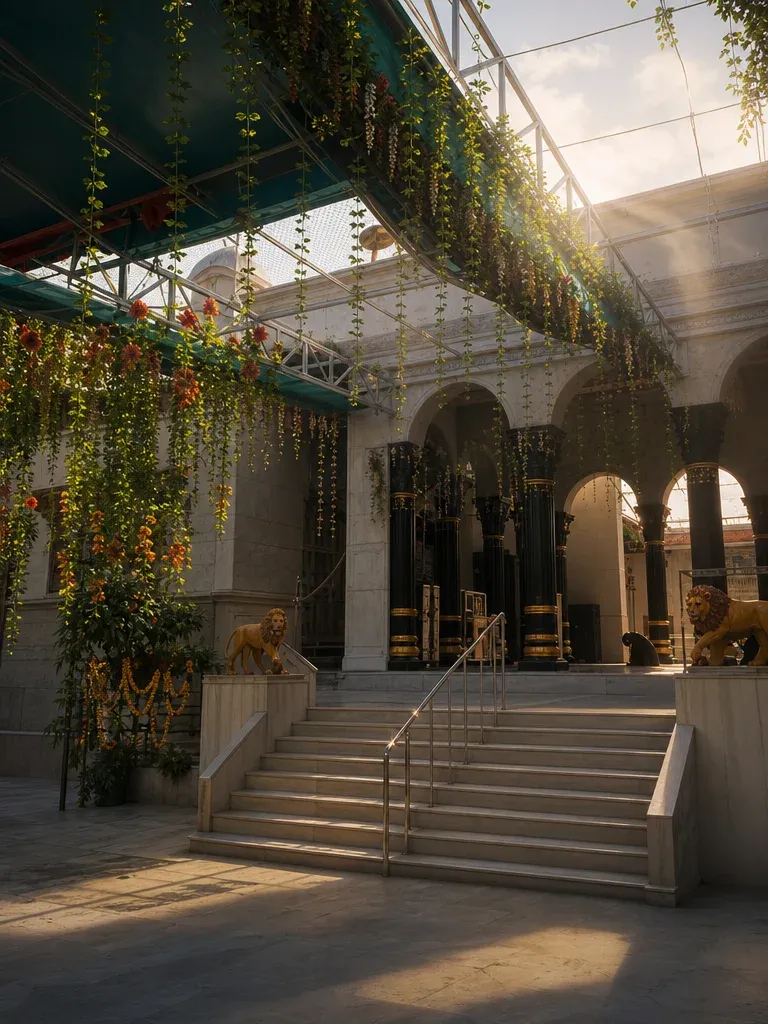
📸 Katyayani Devi Mandir, Vrindavan — Sacred Darshan Gallery
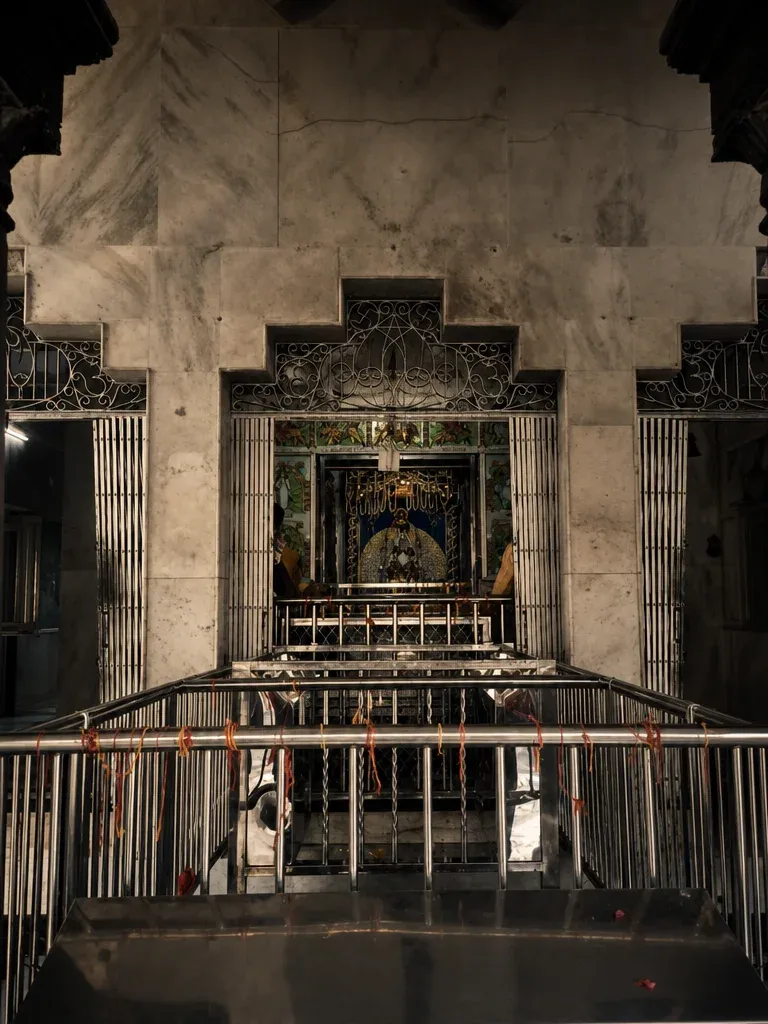
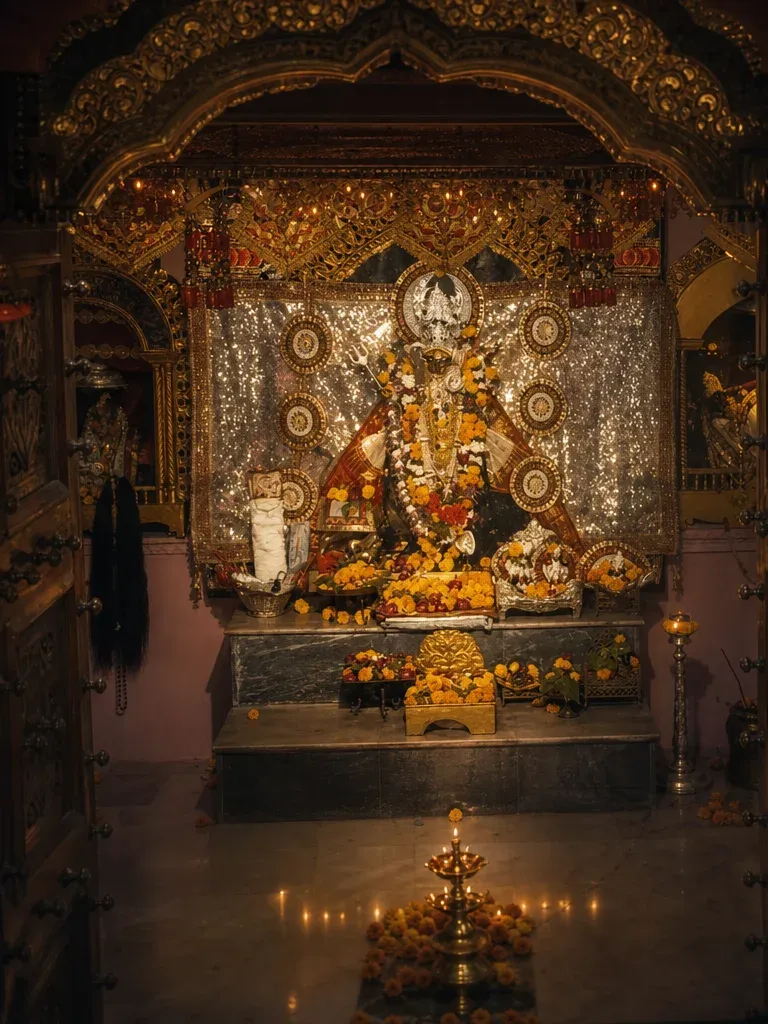
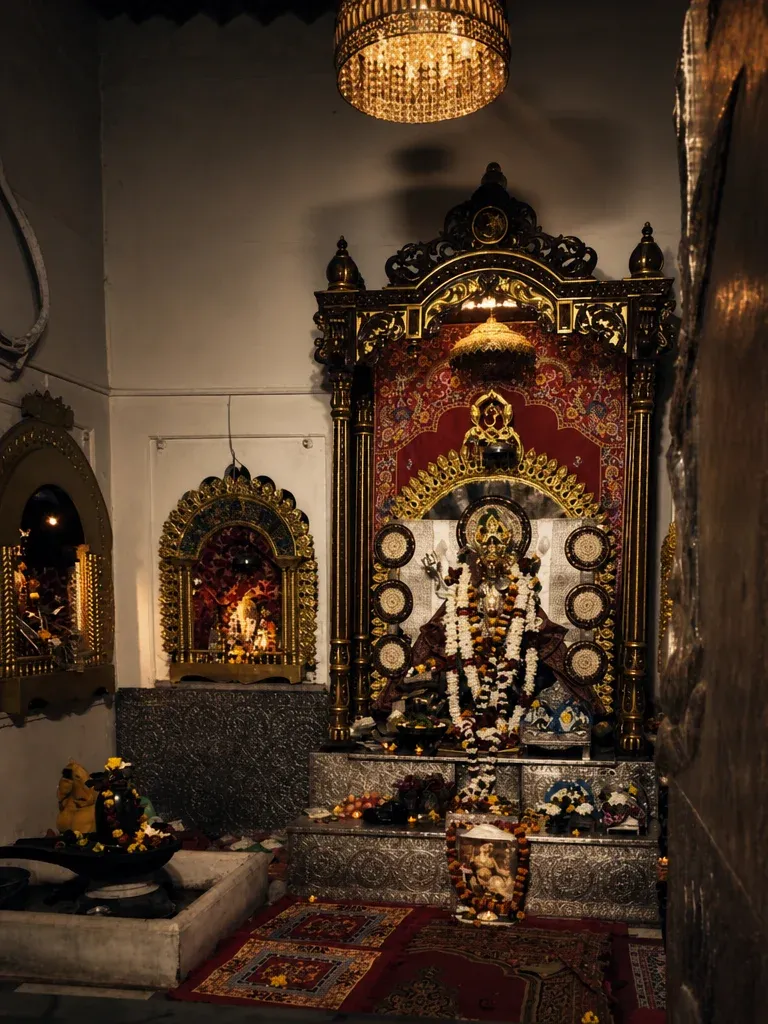
| 🛕 Temple Quick Facts & Pilgrim Summary | |
|---|---|
| Presiding Deity | Maa Katyayani / Uma Devi (Adishakti Yogamaya of Vraja) & Bhairava Bhuteshwar Mahadev + Lakshmi-Narayana & Guru Gorakhnath |
| Location | Radha Bagh, Near Rangji Mandir Southern Gate &Yamuna Parikrama Marg, Vrindavan, UP 281121 |
| Darshan & Aarti | Summer: 05:30 AM – 12:00 PM & 04:00 PM – 09:00 PM | Winter: 06:00 AM – 12:00 PM & 04:00 PM – 08:30 PM |
| Best Time to Visit | Margashirsha Month (Nov–Dec), Chaitra/Sharadiya Navaratri, or any Friday morning 07:00 AM – 10:00 AM |
| Special Aarti | Katyayani Maha-Mantra Sankalpa Puja for Unmarried Devotees, Shodashopachara Archana & Navaratri Chandi Havan |
| Pilgrim Rules & Advisory | Chant "Katyayani Mahamaye Mahayoginyadhishvari..." 108 times in the marble hall; offer red hibiscus flowers,chunari, and haldi-kumkuma. |
English Overview & Spiritual Insights
1. Where Shakti Meets Bhakti: Why Vrindavan Houses One of India’s 51 Supreme Shakti Peethas
Most pilgrims arriving in Vrindavan know it exclusively as the playground of Sri Radha and Shyamasundara, yet hidden inside the tranquil botanical gardens of Radha Bagh—just three hundred meters south of Shri Rangnath Mandir along the ancient Yamuna floodplain—stands one of the fifty-one supreme Shakti Peethas of Sanatan Dharma: Sri Katyayani Peeth (also revered in Tantric scriptures as the Uma Shakti Peeth). According to the Peetha-Nirnaya Tantra ("Vrindavane Keshajalam, Uma nama tu devata, Bhutesho Bhairavas tatra"), when Lord Shiva carried the scorched body of Goddess Sati across the skies and Lord Vishnu’s Sudarshana Chakra divided Her form into fifty-one sacred fragments, the fragrant locks of Goddess Sati’s hair (Kesh-Pasha / Keshajalam) floated down into the kadamba groves of Vrindavan, while Lord Shiva stationed Himself at Mathura as the guardian Bhairava, Sri Bhuteshwar Mahadev.
What elevates Vrindavan’s Katyayani Peeth to a position of unique reverence in both Shakta and Vaishnava scriptures is its direct role in the tenth canto of Srimad Bhagavatam. Five thousand years ago, during the misty winter month of Margashirsha (Nov–Dec), the young unmarried Gopis of Vraja walked down to the Yamuna at this very bend every morning at dawn. Moulding an image of Goddess Katyayani from the sacred riverbank sand, they offered sandalwood paste, wild forest flowers, lamps, and unspiced havisyanna rice while chanting the immortal verse: "Katyayani Mahamaye Mahayoginyadhishvari, Nandagopa-sutam Devi patim me kuru te namah"—"O Supreme Yogamaya Katyayani! Please make the son of Nanda Maharaja, Sri Krishna, my eternal husband!" Answering their prayer directly, Maa Katyayani orchestrated the transcendental Chir-Harana and Maharaas pastimes, forever establishing this shrine as the ultimate grantor of both spiritual union (Krishna-prema) and auspicious marriage.
For spiritual seekers exploring Maa Katyayani Shakti Peeth Vrindavan (Radha Bagh) Complete Guide with the Teerthak pilgrimage companion, understanding the deep synthesis of historical authenticity, Puranic scripture, and living Brajvasi seva transforms your visit from an ordinary tour into an unforgettable inner awakening. Every corner of this sanctuary vibrates with the prayers of great mahatmas who dedicated their lives to Sri Radha-Madhava.
In the classical Braj Rasik literature—such as Sri Hit Chaurasi, Sri Kelimal, Bhakti-rasamrita-sindhu, Sat-Sandarbha, and the Mathura Mahatmya of the Skanda Purana—every courtyard, archway, banyan branch, and water stepwell of this sacred tirtha is described as chinmaya, composed of conscious spiritual energy rather than inert material stone. Whereas ordinary historical monuments age into silent museum relics, the living temples, shakti peethas, and yoga ashrams of Vrindavan, Baldeo, and the Yamuna banks pulsate with continuous Ashtayama Seva (eight-fold daily worship from 04:30 AM Brahma Muhurta to 09:00 PM Shayan). Pilgrims who pause to observe the subtle details—the fragrance of freshly ground Malayagiri sandalwood, the rhythmic chime of brass manjira cymbals during Samaj-Gayan, the saffron-tinted rice-flour mandalas drawn on the thresholds, and the tearful absorption of elderly Brajvasi sadhakas chanting upon Tulasi malas—immediately experience a tangible shift in consciousness from worldly anxiety to transcendental peace.
कात्यायनि महामाये महायोगिन्यधीश्वरि । नन्दगोपसुतं देवि पतिं मे कुरु ते नमः ॥
Katyayani Mahamaye Mahayoginyadhishvari | Nandagopa-sutam Devi patim me kuru te namah ||
Meaning: O Goddess Katyayani! O supreme Mahamaya! O sovereign Empress of all mystic yogic potencies! I bow down unto You again and again—please grant that the darling son of Nanda Maharaja, Sri Krishna, becomes my eternal husband!
— Srimad Bhagavatam — Canto 10, Chapter 22, Verse 4 (The Vrata Mantra of the Vraja Gopis)2. Peetha-Nirnaya Tantra: The Falling of Goddess Sati’s Flowing Hair Tresses (Kesh-Pasha) at Radha Bagh
The liturgical rhythm observed at this shrine follows authentic Vaishnava and Vedic manuals preserved across centuries of unbroken guru-shishya succession. Before the main sanctuary doors open to the public during Brahma Muhurta and morning Shringar, the resident priests perform sacred abhishek, sandalwood-saffron tilak, and fresh flower garland adornment aligned with the specific seasonal raga and solar-lunar tithi.
Because opening and closing hours across Vrindavan, Baldeo, and the Yamuna banks shift by thirty to forty-five minutes between the Summer Schedule (Chaitra Shukla Pratipada to Ashwin Purnima) and the Winter Schedule (Kartik Krishna Pratipada to Phalguna Purnima), devotees should always check the sunrise-calibrated Teerthak Braj Vaishnava Panchang before departing their ashram. Arriving twenty minutes before the scheduled Aarti window ensures a peaceful seat in the courtyard without rushing.
In the classical Braj Rasik literature—such as Sri Hit Chaurasi, Sri Kelimal, Bhakti-rasamrita-sindhu, and the Mathura Mahatmya of the Skanda Purana—every courtyard, archway, banyan branch, and water stepwell of this sacred tirtha is described as chinmaya, composed of conscious spiritual energy rather than inert material stone. Whereas ordinary historical monuments age into silent museum relics, the living temples and leela groves of Braj pulsate with continuous Ashtayama Seva from 04:30 AM dawn to 09:00 PM night.
3. Srimad Bhagavatam Canto 10: How the Vraja Gopis Performed the 30-Day Margashirsha Katyayani Vrata
Inspecting the sacred architecture, carved sandstone thresholds, and surrounding parikrama corridors reveals how medieval and modern master-builders designed every square foot to focus the pilgrim’s consciousness upon the Divine. Whether you are walking four clockwise rounds around the Giriraj Shila of Radha Damodar, ascending the nine marble stories of Pagal Baba Mandir, meditating inside the white marble hall of Katyayani Peeth, gazing upon the eight-foot form of Dauji Maharaj, or bowing before Devraha Baba’s wooden Machan, the atmosphere naturally silences mental chatter.
Travellers accompanied by elderly parents above sixty-five or young children will find that the early morning darshan slot (06:30 AM to 09:30 AM) offers cool marble pathways, unhurried access to the sanctum threshold, and direct blessings from the officiating pujaris.
Remember to maintain sacred temple decorum at all times: keep mobile phones on silent mode, refrain from flash photography inside the inner sanctum, and hold both hands folded in Pranam Mudra while beholding the Deities from Their lotus feet upward to Their smiling eyes.
To make the most of your darshan at this landmark, structure your visit in harmony with the traditional Vaishnava parikrama rhythm. Begin by performing achamana at the adjacent sacred kund or Yamuna ghat, bow down to touch a pinch of Braj-raj to your forehead, and enter the temple courtyard without rushing toward the front rail. Allow your eyes to adjust to the soft ghee-lamp illumination of the Jagmohan hall, behold the Deities from the lotus feet upward to Their smiling eyes, and spend at least fifteen minutes seated in the courtyard listening to the hereditary Goswami or Acharya priests chant the daily stotras. Before departing, collect Tulasi-infused Charanamrita and Mahaprasadam from the official bhog counter, offer green fodder to the resident goshala cows, and record your darshan reflections in the Teerthak App so your smarana-bhakti remains vivid long after you return home.
4. The Katyayani Maha-Mantra for Marriage & Devotion: Exact Pronunciation, Meaning & Sankalpa Vidhi
Surrounding this primary landmark lies an interconnected cluster of sacred kunds, Goswami baithaks, ancient goshalas, and Yamuna ghats that belong to the same spiritual sub-circuit. In the traditional cartography of the Braj 84 Kos Yatra, visiting the main temple alongside its associated water tank (such as Kshir Sagar in Baldeo, Radha Bagh along the Yamuna, or Seva Kunj’s Samadhi garden) completes the ritual mandala.
Sitting quietly for ten minutes after darshan to chant one full mala (108 beads) of the Hare Krishna Maha-Mantra, the Katyayani Maha-Mantra, or Devraha Baba’s "Krishnaya Vasudevaya" verse anchors the spiritual mercy (kripa) received inside the sanctum deep within the subtle body.
Moreover, devotees who carry a small pocket diary or use the Teerthak App’s digital sankalpa log to note the names of the Deities, Samadhis, and Kunds visited during their yatra discover that their daily home meditation remains vividly connected to Braj Dham throughout the year.
5. Swami Keshavananda Brahmachari’s 1923 Rediscovery & the Five Sanctums of Radha Bagh
Across the twelve months of the Hindu lunar calendar, this shrine celebrates vibrant seasonal festivals that draw tens of thousands of devotees from every corner of India. From the fragrant jasmine bowers (Phool Bangla) of summer and the swinging golden cradles (Jhulan Yatra) of monsoon Shravan, to the grand abhisheks of Janmashtami, Radhashtami, Navaratri, Kartik Deepdan, Margashirsha Prakatya Utsav, and the drenched saffron clouds of Braj Holi and Dauji Huranga, every season reveals a fresh dimension of divine bliss.
To make the most of your darshan at this landmark, structure your visit in harmony with the traditional Vaishnava parikrama rhythm. Begin by performing achamana at the adjacent sacred kund or Yamuna ghat, bow down to touch a pinch of Braj-raj to your forehead, and enter the temple courtyard without rushing toward the front rail. Allow your eyes to adjust to the soft ghee-lamp illumination of the Jagmohan hall and spend at least fifteen minutes seated in the courtyard listening to the daily stotras.
Before departing, collect Tulasi-infused Charanamrita and Mahaprasadam from the official bhog counter, and support the resident goshalas with green fodder and jaggery offerings.
6. Sharadiya & Chaitra Navaratri Mahotsav, Margashirsha Utsav & Bhuteshwar Bhairava Connection
Honouring temple Mahaprasadam and practicing ecological Dham-Seva (reverence for the holy environment of Braj) go hand in hand. After attending Rajbhog or Sandhya Aarti, be sure to taste the traditional earthen-pot prasadam—whether hot khichdi, mathura peda, makhan-mishri, or Ekadashi phalahari rabri—prepared in pure cow ghee inside the temple kitchens.
When walking through areas frequented by Vrindavan’s monkeys, always place spectacles, sunglasses, and loose pouches inside a zipped shoulder bag before stepping out of your vehicle. Treat every cow, calf, peacock, monkey, and ancient tree of Braj as a sacred resident of Goloka.
Always carry a reusable steel water bottle refilled at temple RO stations and dispose of leaf bowls (donas) solely inside designated bins so the parikrama paths and Yamuna ghats remain spotless.
In the classical Braj Rasik literature—such as Sri Hit Chaurasi, Sri Kelimal, Bhakti-rasamrita-sindhu, Sat-Sandarbha, and the Mathura Mahatmya of the Skanda Purana—every courtyard, archway, banyan branch, and water stepwell of this sacred tirtha is described as chinmaya, composed of conscious spiritual energy rather than inert material stone. Whereas ordinary historical monuments age into silent museum relics, the living temples, shakti peethas, and yoga ashrams of Vrindavan, Baldeo, and the Yamuna banks pulsate with continuous Ashtayama Seva (eight-fold daily worship from 04:30 AM Brahma Muhurta to 09:00 PM Shayan). Pilgrims who pause to observe the subtle details—the fragrance of freshly ground Malayagiri sandalwood, the rhythmic chime of brass manjira cymbals during Samaj-Gayan, the saffron-tinted rice-flour mandalas drawn on the thresholds, and the tearful absorption of elderly Brajvasi sadhakas chanting upon Tulasi malas—immediately experience a tangible shift in consciousness from worldly anxiety to transcendental peace.
7. Darshan Timings, Dress Code & Walking Route from Rangji Mandir to Katyayani Peeth
Planning your local transport by geographic clusters saves hours of highway transit. Shrines inside the Vrindavan municipal perimeter—such as Radha Damodar Mandir, Pagal Baba Mandir, Katyayani Peeth, and Devraha Baba Ashram—can be covered effortlessly in a single day using ₹20–₹30 government-registered E-rickshaws and the five-minute Keshi Ghat boat ferry.
Meanwhile, the eastern-bank heritage circuit connecting Mathura Vishram Ghat, Gokul, Raman Reti, Brahmand Ghat, Chaurasi Khamba (Mahavan), and Shri Dauji Mandir in Baldeo makes a magnificent four-hour morning drive via the Gokul Barrage.
Keep the Teerthak App open on your phone for live Aarti countdowns, verified seasonal closing alerts, and today’s Vrindavan Sunrise Panchang—may Sri Radha-Damodar, Maa Katyayani, Dauji Maharaj, and the Siddha Saints of Braj shower your family with eternal peace and devotion!
माँ कात्यायनी शक्तिपीठ वृन्दावन (राधा बाग) संपूर्ण गाइड: जहाँ गिरे थे माता सती के केश-पाश और गोपियों ने श्रीकृष्ण को पति रूप में पाने हेतु किया था व्रत
वृन्दावन के राधा बाग (रंगजी मंदिर के समीप) स्थित भारत के 51 प्राचीन शक्तिपीठों में से एक "श्री उमा/कात्यायनी शक्तिपीठ" की संपूर्ण यात्रा गाइड: जहाँ माता सती के पवित्र केश-पाश गिरे थे, क्यों ब्रज की गोपियों ने मार्गशीर्ष मास में यहीं कात्यायनी महामंत्र का जप कर श्रीकृष्ण को पति रूप में प्राप्त किया, और दर्शन समय सारिणी।
1. जहाँ शक्ति और भक्ति का मिलन होता है: वृन्दावन में स्थित भारत का 51वाँ महा-शक्तिपीठ
वृन्दावन धाम आने वाले अधिकांश यात्री इसे केवल श्री राधा-माधव की लीला-भूमि के रूप में जानते हैं, किंतु बहुत कम श्रद्धालुओं को यह ज्ञात है कि श्री रंगनाथ मंदिर (रंगजी मंदिर) के दक्षिणी द्वार से मात्र तीन सौ मीटर की दूरी पर शांत 'राधा बाग' के वृक्षों के मध्य सनातन धर्म के 51 महा-शक्तिपीठों में से एक अत्यंत सिद्ध शक्तिपीठ विराजमान है—'श्री कात्यायनी शक्तिपीठ' (जिसे तंत्र ग्रंथों में 'उमा शक्तिपीठ' कहा गया है)। तंत्र चूड़ामणि और पीठ-निर्णय के प्रसिद्ध श्लोक ("वृन्दावने केशजालं उमा नाम तु देवता, भूतेशो भैरवस्तत्र") के अनुसार जब दक्ष-यज्ञ के पश्चात भगवान शिव के कंधों से माता सती के पार्थिव अंग पृथ्वी पर गिरे, तब वृन्दावन के इस पावन वन में माता सती के सुगंधित 'केश-पाश' (बालों का समूह) गिरे थे, और उनकी रक्षा के लिए स्वयं भगवान शंकर मथुरा में भैरव 'श्री भूतेश्वर महादेव' के रूप में प्रतिष्ठित हुए।
इस शक्तिपीठ की सबसे बड़ी विशेषता यह है कि यहाँ शाक्त और वैष्णव दोनों परंपराओं का अद्भुत संगम होता है। श्रीमद्भागवत महापुराण के दशम स्कंध के बाईसवें अध्याय में वर्णन आता है कि द्वापर युग में हेमंत ऋतु के प्रथम मास (मार्गशीर्ष/अगहन) में ब्रज की कुमारिका गोपियों ने पूरे एक महीने तक प्रतिदिन ब्रह्म मुहूर्त में यमुना स्नान कर इसी तट पर माँ कात्यायनी की बालू (रेत) की प्रतिमा बनाई थी। उन्होंने चंदन, धूप, दीप और हविष्य-अन्न का भोग लगाकर एक ही प्रार्थना की थी—"कात्यायनि महामाये महायोगिन्यधीश्वरि, नन्दगोपसुतं देवि पतिं मे कुरु ते नमः" (हे महायोगिनी माँ कात्यायनी! नंदगोप के पुत्र श्रीकृष्ण को ही हमारा पति बनाइए)। माता कात्यायनी की कृपा से ही गोपियों को चीर-हरण और महारास में भगवान श्रीकृष्ण की प्राप्ति हुई, जिसके कारण आज भी यह पीठ शीघ्र विवाह और कृष्ण-भक्ति दोनों का सर्वोच्च वरदान-स्थल माना जाता है।
तीर्थक (Teerthak) आध्यात्मिक गाइड के माध्यम से माँ कात्यायनी शक्तिपीठ वृन्दावन (राधा बाग) संपूर्ण गाइड की यात्रा करने वाले प्रत्येक श्रद्धालु के लिए यह आवश्यक है कि वह इस पावन तीर्थ के शास्त्रीय इतिहास, पौराणिक प्रमाण और ब्रज की जीवंत सेवा-परंपरा को समझते हुए दर्शन करे। यहाँ का प्रत्येक आँगन, सोपान और वृक्ष महान सिद्ध संतों की अखंड साधना से अभिमंत्रित है।
ब्रज के प्राचीन रसिक एवं वैष्णव ग्रंथों—जैसे श्री हित चौरासी, श्री केलिमाल, भक्तिरसामृतसिंधु, षट्-संदर्भ और स्कंद पुराण के मथुरा माहात्म्य—में इस पावन तीर्थ की प्रत्येक सीढ़ी, झरोखे, वट-वृक्ष और सरोवर को जड़ पाषाण न मानकर साक्षात् चिन्मय (सच्चिदानंदमय) स्वरूप वर्णित किया गया है। संसार के अन्य ऐतिहासिक स्मारक समय के साथ केवल संग्रहालय बनकर रह जाते हैं, किंतु वृन्दावन, बलदेव और यमुना तट की यह पावन भूमि आज भी प्रातः 04:30 बजे की मंगला आरती से लेकर रात्रि शयन पर्यंत चलने वाली अखंड अष्टयाम सेवा से जीवंत रहती है। जब कोई श्रद्धालु यहाँ चंदन-केसर की सुगंध, पखावज और मंजीरों के साथ गूँजते समाज-गायन तथा तुलसी की माला फेरते ब्रजवासी संतों के दर्शन करता है, तो उसका हृदय स्वतः ही सांसारिक चिंताओं से मुक्त होकर अलौकिक आनंद में डूब जाता है।
2. तंत्र चूड़ामणि का प्रमाण: राधा बाग में माता सती के पवित्र "केश-पाश" (बालों) का निपात
इस पावन धाम की दैनिक पूजा और सेवा-पद्धति सैकड़ों वर्षों से चली आ रही वंशानुगत आचार्य एवं गोस्वामी परंपरा के अनुसार अत्यंत निष्ठापूर्वक संपन्न होती है। प्रातःकाल ब्रह्म मुहूर्त में आम भक्तों के लिए पट खुलने से पूर्व ही पुजारीगण पंचामृत स्नान, सुगंधित चंदन-केसर लेपन और ऋतु के अनुकूल ताजे पुष्पों से श्री विग्रह का नयनाभिराम शृंगार करते हैं।
क्योंकि वृन्दावन, बलदेव और यमुना तटीय आश्रमों में ग्रीष्मकालीन सेवा (चैत्र शुक्ल प्रतिपदा से आश्विन पूर्णिमा) और शीतकालीन सेवा (कार्तिक कृष्ण प्रतिपदा से फाल्गुन पूर्णिमा) के अनुसार दर्शन समय में 30 से 45 मिनट का अंतर आता है, इसलिए प्रस्थान से पूर्व 'तीर्थक ब्रज वैष्णव पंचांग' पर सूर्योदय एवं आरती का समय अवश्य देख लें।
ब्रज के प्राचीन रसिक ग्रंथों—जैसे श्री हित चौरासी, श्री केलिमाल, भक्तिरसामृतसिंधु और स्कंद पुराण के मथुरा माहात्म्य—में इस पावन तीर्थ की प्रत्येक सीढ़ी, झरोखे, वट-वृक्ष और सरोवर को जड़ पाषाण न मानकर साक्षात् चिन्मय (सच्चिदानंदमय) स्वरूप वर्णित किया गया है। संसार के अन्य ऐतिहासिक स्मारक समय के साथ केवल संग्रहालय बनकर रह जाते हैं, किंतु ब्रज की यह पावन भूमि आज भी प्रातः 04:30 बजे की मंगला आरती से लेकर रात्रि शयन पर्यंत चलने वाली अखंड अष्टयाम सेवा से जीवंत रहती है।
3. श्रीमद्भागवत दशम स्कंध: जब गोपियों ने श्रीकृष्ण को पति रूप में पाने हेतु किया मार्गशीर्ष कात्यायनी व्रत
इस मंदिर एवं तपोभूमि की वास्तुकला और परिक्रमा मार्ग में गहरा आध्यात्मिक विज्ञान निहित है। चाहे आप राधा दामोदर मंदिर में गिरिराज शिला की चार परिक्रमा कर रहे हों, पागल बाबा मंदिर की नौ संगमरमर मंजिलों पर चढ़ रहे हों, माँ कात्यायनी पीठ के शांत मंडप में मंत्र-जप कर रहे हों, बलदेव में आठ फीट ऊँचे दाऊजी महाराज को निहार रहे हों अथवा यमुना पार देवराहा बाबा के काष्ठ-मचान के नीचे खड़े हों—यहाँ का वातावरण मन के समस्त विक्षेपों को तुरंत शांत कर देता है।
वरिष्ठ नागरिकों (65 वर्ष से अधिक) और छोटे बच्चों के साथ आने वाले परिवारों के लिए प्रातः 06:30 से 09:30 बजे का समय दर्शन के लिए सर्वोत्तम रहता है, जब संगमरमर का फर्श शीतल रहता है और बिना किसी भीड़ के गर्भगृह के समीप खड़े होकर दर्शन सुलभ होते हैं।
मंदिर मर्यादा का सदैव पालन करें: मुख्य गर्भगृह के भीतर फ्लैश फोटोग्राफी या रील बनाने से बचें, अपने मोबाइल फोन को शांत (Silent) रखें और दोनों हाथ जोड़कर श्री विग्रह के चरण-कमलों से लेकर मुस्कुराते हुए मुखारविंद तक को अपने हृदय में बसाएँ।
4. शीघ्र विवाह एवं कृष्ण-प्रेम हेतु अमोघ "कात्यायनी महामंत्र": शुद्ध उच्चारण, अर्थ एवं जप विधि
मुख्य देवालय के साथ-साथ इसके परिसर में स्थित पवित्र सरोवर (जैसे बलदेव का क्षीर सागर, राधा दामोदर की समाधि वाटिका, या यमुना घाट) और प्राचीन गौशालाओं का दर्शन करने से ही यात्रा का पूर्ण फल प्राप्त होता है। ब्रज चौरासी कोस की परंपरा में प्रत्येक मुख्य मंदिर अपने निकटवर्ती कुंड और भजन कुटीर से जुड़ा हुआ है।
दर्शन के उपरांत मंदिर के चौक या कुंड की सीढ़ियों पर दस मिनट शांत बैठकर हरे कृष्ण महामंत्र, कात्यायनी महामंत्र अथवा देवराहा बाबा के सिद्ध मंत्र ("कृष्णाय वासुदेवाय...") की एक माला (108 मनके) का जप अवश्य करें।
जो भक्त अपनी यात्रा में दर्शन किए गए श्री विग्रहों, संत समाधियों और कुंडों का विवरण अपनी डायरी या 'तीर्थक ऐप' में सुरक्षित रखते हैं, उन्हें घर लौटने के पश्चात भी अपने दैनिक ध्यान और नाम-जप में ब्रज-वास का सजीव अनुभव होता रहता है।
ब्रज के प्राचीन रसिक एवं वैष्णव ग्रंथों—जैसे श्री हित चौरासी, श्री केलिमाल, भक्तिरसामृतसिंधु, षट्-संदर्भ और स्कंद पुराण के मथुरा माहात्म्य—में इस पावन तीर्थ की प्रत्येक सीढ़ी, झरोखे, वट-वृक्ष और सरोवर को जड़ पाषाण न मानकर साक्षात् चिन्मय (सच्चिदानंदमय) स्वरूप वर्णित किया गया है। संसार के अन्य ऐतिहासिक स्मारक समय के साथ केवल संग्रहालय बनकर रह जाते हैं, किंतु वृन्दावन, बलदेव और यमुना तट की यह पावन भूमि आज भी प्रातः 04:30 बजे की मंगला आरती से लेकर रात्रि शयन पर्यंत चलने वाली अखंड अष्टयाम सेवा से जीवंत रहती है। जब कोई श्रद्धालु यहाँ चंदन-केसर की सुगंध, पखावज और मंजीरों के साथ गूँजते समाज-गायन तथा तुलसी की माला फेरते ब्रजवासी संतों के दर्शन करता है, तो उसका हृदय स्वतः ही सांसारिक चिंताओं से मुक्त होकर अलौकिक आनंद में डूब जाता है।
5. स्वामी केशवानंद जी महाराज द्वारा सन् 1923 में पुनर्निर्माण एवं मंदिर के पाँच दिव्य गर्भगृह
वर्ष के बारह महीनों में यहाँ ऋतुओं के अनुसार भव्य उत्सव मनाए जाते हैं—ग्रीष्म ऋतु में सुगंधित 'फूल बंगला' और 'चंदन यात्रा', श्रावण में 'झूलन हिंडोला', भाद्रपद में 'श्रीकृष्ण जन्माष्टमी व बलदेव छठ', आश्विन-चैत्र में 'नवरात्रि महायज्ञ', कार्तिक में 'दामोदर दीपदान', मार्गशीर्ष में 'कात्यायनी व्रत व प्राकट्य उत्सव' और फाल्गुन-चैत्र में 'ब्रज की होली व दाऊजी का हुरंगा'।
जब कोई श्रद्धालु यहाँ चंदन-केसर की सुगंध, पखावज और मंजीरों के साथ गूँजते समाज-गायन तथा तुलसी की माला फेरते ब्रजवासी संतों के दर्शन करता है, तो उसका हृदय स्वतः ही सांसारिक चिंताओं से मुक्त होकर अलौकिक आनंद में डूब जाता है।
प्रस्थान से पूर्व मंदिर के अधिकृत पटल से तुलसी-मिश्रित चरणामृत एवं महाप्रसाद अवश्य ग्रहण करें, तथा आश्रम की गौशाला में गायों को हरा चारा व गुड़ समर्पित करें।
6. नवरात्रि महोत्सव, मार्गशीर्ष मास उपासना एवं मथुरा के भैरव श्री भूतेश्वर महादेव से संबंध
धाम-निष्ठा और ब्रज की स्वच्छता प्रत्येक यात्री का पावन कर्तव्य है। मंदिर की रसोई में शुद्ध देसी गाय के घी से निर्मित महाप्रसाद—चाहे वह माखन-मिश्री हो, मथुरा का पेड़ा हो, रबड़ी हो या खिचड़ी—को आदरपूर्वक ग्रहण करने के पश्चात पत्तल और दोने केवल निर्धारित कूड़ेदान में ही डालें।
वृन्दावन की गलियों में बंदरों से अपने चश्मे, मोबाइल फोन और पर्स की सुरक्षा हेतु उन्हें वाहन से उतरते समय ही बैग के भीतर रख लें। ब्रज के समस्त जीवों, गायों, मयूरों और प्राचीन वृक्षों को भगवान के पार्षद मानकर उनका सम्मान करें।
यात्रा के प्रारंभ और समापन पर पावन 'ब्रजरज' को प्रणाम कर अपने मस्तक पर अवश्य धारण करें।
7. दर्शन समय सारिणी, पूजा सामग्री एवं रंगजी मंदिर से पैदल पहुँचने का सुगम मार्ग
समय और ऊर्जा की बचत के लिए अपनी यात्रा को भौगोलिक क्रम में नियोजित करें। वृन्दावन नगर के भीतर स्थित तीर्थों—श्री राधा दामोदर मंदिर, पागल बाबा मंदिर, कात्यायनी शक्तिपीठ और केशी घाट के सामने यमुना पार देवराहा बाबा आश्रम—का दर्शन आप ई-रिक्शा और 5 मिनट की नौका यात्रा द्वारा एक ही दिन में सुगमता से कर सकते हैं।
वहीं दूसरी ओर, यमुना के पूर्वी तट पर स्थित गोकुल, रमण रेती, ब्रह्मांड घाट, महावन (चौरासी खंभा) और बलदेव स्थित 'श्री दाऊजी महाराज मंदिर' की यात्रा गोकुल बैराज मार्ग से प्रातः 4 घंटे में अत्यंत आनंदपूर्वक संपन्न हो जाती है।
अपने फोन में 'तीर्थक (Teerthak) ऐप' अवश्य रखें, जिससे आपको लाइव आरती काउंटडाउन, ऑफलाइन परिक्रमा मैप और आज का वृन्दावन वैष्णव पंचांग तुरंत उपलब्ध रहे—जय जय श्री राधे श्याम! दाऊजी महाराज की जय!
Frequently Asked Questions (FAQ) · अक्सर पूछे जाने वाले प्रश्न
Q1: Which body part of Goddess Sati fell in Vrindavan to make Katyayani Peeth one of the 51 Shakti Peethas?
According to the Peetha-Nirnaya Tantra and Sircar’s Shakti Peetha canon ("Vrindavane Keshajalam, Uma nama tu devata, Bhutesho Bhairavas tatra"), when Lord Vishnu’s Sudarshana Chakra severed the body of Goddess Sati, Her sacred flowing locks of hair (Kesh-Pasha / Chuda-mani) fell inside the forest of Vrindavan at Radha Bagh. Here the Devi is worshipped as Uma / Katyayani and the protecting Bhairava is Sri Bhuteshwar Mahadev of Mathura.
तंत्र चूड़ामणि और पीठ-निर्णय के श्लोक ("वृन्दावने केशजालं उमा नाम तु देवता, भूतेशो भैरवस्तत्र") के अनुसार जब भगवान विष्णु के सुदर्शन चक्र से माता सती के देह-खंड पृथ्वी पर गिरे, तब वृन्दावन के इस राधा बाग क्षेत्र में माता के पवित्र "केश-पाश" (बालों का जूड़ा) गिरे थे। यहाँ शक्ति का नाम "उमा/कात्यायनी" और भैरव का नाम "श्री भूतेश्वर महादेव" है।
Q2: Why did the Gopis of Vrindavan worship Maa Katyayani in the Srimad Bhagavatam?
In the 22nd chapter of the 10th Canto of Srimad Bhagavatam (Hemanta-rtu Katyayani Vrata), during the entire first month of winter (Margashirsha / Agrahayana), the young unmarried Gopis bathed in the Yamuna at dawn, sculpted an earthen deity of Goddess Katyayani on the riverbank, offered sandalwood, lamps, incense, and havisyanna, and chanted the Katyayani mantra asking only that Nanda-nandana Sri Krishna become their husband—culminating in the Chir-Harana Lila.
श्रीमद्भागवत के दशम स्कंध (अध्याय 22) के अनुसार हेमंत ऋतु के प्रथम मास (मार्गशीर्ष/अगहन) में ब्रज की कुँवारी गोपियों ने एक महीने तक प्रतिदिन सूर्योदय से पूर्व यमुना स्नान कर बालू से माँ कात्यायनी की प्रतिमा बनाई और "कात्यायनि महामाये..." मंत्र का जप करते हुए नंदनंदन श्रीकृष्ण को ही पति रूप में पाने का वरदान माँगा, जिसे माता ने पूर्ण किया।
Q3: Why do unmarried girls and parents visit Katyayani Peeth Vrindavan to pray for timely marriage?
Because Goddess Katyayani personally fulfilled the vow of the Vraja Gopis by uniting them with Lord Sri Krishna, Vedic astrology (Jyotish) and Puranic tradition prescribe chanting the Bhagavatam’s Katyayani Maha-Mantra at this exact Vrindavan Shakti Peeth to remove Kuja/Mangal Dosha, planetary delays in marriage, and to bless the devotee with a righteous, loving spouse.
क्योंकि माँ कात्यायनी ने स्वयं गोपियों के व्रत से प्रसन्न होकर उन्हें साक्षात् भगवान श्रीकृष्ण से मिलाया था, इसलिए वैदिक ज्योतिष और धर्मशास्त्रों में विवाह में आ रही बाधा, मंगल दोष या विलंब को दूर कर सुयोग्य जीवनसाथी प्राप्त करने के लिए वृन्दावन के इस सिद्ध कात्यायनी पीठ में संकल्प और मंत्र-जप को अमोघ माना गया है।
Q4: Who rebuilt the modern marble temple at Radha Bagh in 1923 after the ancient site was hidden in forests?
After medieval invasions left the original forest shrine submerged beneath dense Yamuna groves, the great Himalayan Kriya-Yoga and Shakta-Siddha master Sri Swami Keshavananda Brahmachari Ji Maharaj (a revered contemporary of Lahiri Mahasaya’s lineage) received a divine vision of Maa Katyayani, identified the exact Kesh-Pasha Pitha at Radha Bagh, and consecrated the magnificent white marble temple on February 1, 1923.
मध्यकाल में आक्रांतों के कारण जब यह स्थान यमुना के सघन वनों में लुप्त हो गया था, तब हिमालय के महान सिद्ध योगी स्वामी केशवानंद ब्रह्मचारी जी महाराज ने माँ कात्यायनी के प्रत्यक्ष स्वप्न-आदेश से राधा बाग में इस मूल पीठ को पुनः खोजा और 1 फरवरी 1923 (माघ पूर्णिमा) को वर्तमान भव्य श्वेत संगमरमर मंदिर की प्रतिष्ठा की।
Q5: How is Maa Katyayani related to Sri Krishna inside Braj theology?
In Braj Mandal, Maa Katyayani is not viewed as a separate demigoddess; She is worshipped as Purnamasi / Yogamaya—the internal spiritual potency (Svarupa-shakti) of Bhagavan who took birth from Yashoda’s womb on Janmashtami night, warned Kamsa in Mathura, and orchestrates every single meeting (Sangama) between Sri Radha and Sri Krishna.
ब्रज के वैष्णव सिद्धांत में माँ कात्यायनी कोई बाह्य देवी नहीं, अपितु स्वयं भगवान की अंतरंगा "योगमाया" एवं "पौर्णमासी देवी" हैं, जिन्होंने जन्माष्टमी की रात्रि को यशोदा मैया के गर्भ से जन्म लेकर कंस को चेतावनी दी थी और जो नित्य प्रिया-प्रियतम की मिलन-लीलाओं का संचालन करती हैं।
Experience Braj Dham with Teerthak (Tirthak)
Never miss a darshan or aarti. Access live temple opening countdowns, crowd heatmaps, offline 21 KM Govardhan Parikrama GPS, and authentic Vedic panchang in Hindi & English.
Sources and Editorial Note
This article was researched by Gaurav Singh Solanki (Founder & Spiritual Researcher). Source pages and temple schedules can change; verify with temple authorities before yatra.
- District Administration Mathura (https://mathura.nic.in)
- Shri Banke Bihari Mandir Trust (https://bihariji.org)
- Prem Mandir Official Timings (https://premmandir.org.in)
- ISKCON Vrindavan Media Cell (https://iskconvrindavan.com)