Teerthak Journal · Temple Guides · Braj Dham
Shri Pagal Baba Mandir Vrindavan Complete Guide: The True Courtroom Miracle Where Banke Bihari Testified, 9-Floor Marble Tower & Puppet Show
Discover the deeply moving true story behind Vrindavan’s 221-foot, 9-story white marble Shri Pagal Baba Mandir (Shrimat Lelananda Thakur Ashram) on Mathura-Vrindavan Road: how Lord Banke Bihari came to a British-era courtroom to save a poor Brahmin from a greedy moneylender, what deity sits on each of the 9 floors, and the famous ground-floor animated Puppet Museum.
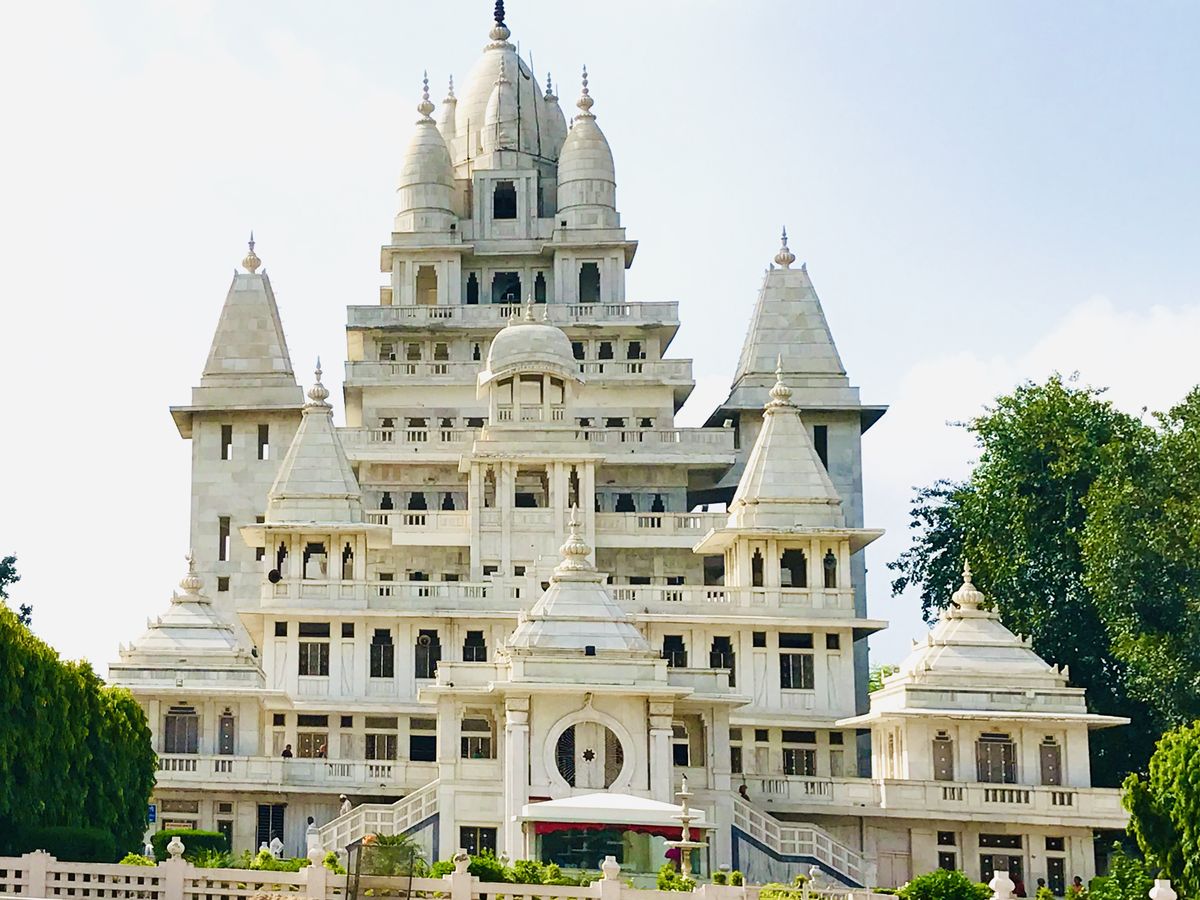
📸 Pagal Baba Temple, Vrindavan — Sacred Darshan Gallery
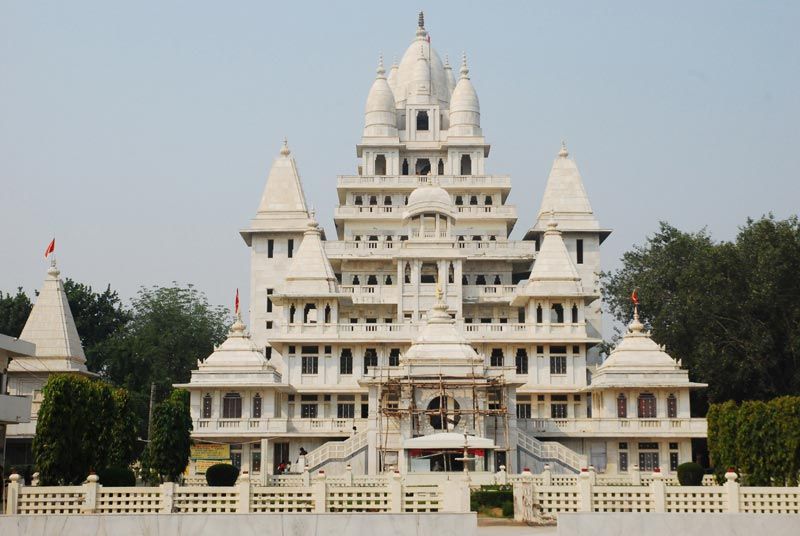
| 🛕 Temple Quick Facts & Pilgrim Summary | |
|---|---|
| Presiding Deity | Sri Radha-Govind, Sri Sita-Ram, Sri लक्ष्मी-Narayana, Lord Shiva, Chaitanya-Nityananda & Pagal Baba across 9 Marble Floors |
| Location | Mathura-Vrindavan Main Road (Near Pagal Baba Hospital & Chungi Entry), Vrindavan, UP 281121 |
| Darshan & Aarti | Summer: 05:00 AM – 11:30 AM & 03:00 PM – 09:00 PM | Winter: 06:00 AM – 12:00 PM & 03:00 PM – 08:30 PM |
| Best Time to Visit | 04:00 PM – 07:30 PM to ride the elevator/stairs across all 9 floors for panoramic sunset views of Vrindavan & visit the Ground-Floor Animated Puppet Museum |
| Special Aarti | Evening Multi-Floor Synchronized Aarti & Continuous Ground-Floor Electronic Ramayana-Mahabharata Diorama Show |
| Pilgrim Rules & Advisory | Entry to the 9-story marble temple is free; a nominal ₹10–₹20 maintenance token applies for the ground-floor mechanical Puppet Show; lifts are available for senior citizens. |
English Overview & Spiritual Insights
1. The 221-Foot White Marble Beacon on Mathura-Vrindavan Road: Introduction to Shri Pagal Baba Mandir
Travelling along the historic Mathura-Vrindavan highway between Gita Mandir (Birla Mandir) and the Chungi entry arch of Vrindavan, every pilgrim’s gaze is immediately captured by a soaring, nine-story white Makrana marble tower rising 221 feet into the sky like a celestial lotus pagoda. This is Shri Pagal Baba Mandir—officially consecrated as the Shrimat Lelananda Thakur (Pagal Baba) Ashram—one of the most beloved, family-friendly, and emotionally moving spiritual complexes in all of Braj Dham.
Why would a sacred Vaishnava temple bear the name "Pagal Baba" (the Mad Saint)? In the dictionary of Braj Bhakti, "Pagal" is not an insult; it is the highest badge of spiritual ecstasy (divyonmada), describing a soul whose heart has gone utterly mad for the love of Sri Radha-Krishna. Behind this temple stand two intertwined histories of divine madness: first, the famous British-era courtroom miracle of Mathura in which Lord Banke Bihari Himself walked into a magistrate’s witness box as an elderly Brajvasi to save a penniless Brahmin debtor from a fraudulent moneylender—causing the stunned judge to renounce his bench and roam Vrindavan crying "Pagal!"; and second, the extraordinary life of the twentieth-century Bengali mystic Shrimat Lelananda Thakur (affectionately hailed across India as Sri Sri Pagal Baba), who established this monumental nine-story marble sanctuary in 1969 so that every avatar of the Vedic pantheon could be worshipped under a single roof.
For spiritual seekers exploring Shri Pagal Baba Mandir Vrindavan Complete Guide with the Teerthak pilgrimage companion, understanding the deep synthesis of historical authenticity, Puranic scripture, and living Brajvasi seva transforms your visit from an ordinary tour into an unforgettable inner awakening. Every corner of this sanctuary vibrates with the prayers of great mahatmas who dedicated their lives to Sri Radha-Madhava.
In the classical Braj Rasik literature—such as Sri Hit Chaurasi, Sri Kelimal, Bhakti-rasamrita-sindhu, Sat-Sandarbha, and the Mathura Mahatmya of the Skanda Purana—every courtyard, archway, banyan branch, and water stepwell of this sacred tirtha is described as chinmaya, composed of conscious spiritual energy rather than inert material stone. Whereas ordinary historical monuments age into silent museum relics, the living temples, shakti peethas, and yoga ashrams of Vrindavan, Baldeo, and the Yamuna banks pulsate with continuous Ashtayama Seva (eight-fold daily worship from 04:30 AM Brahma Muhurta to 09:00 PM Shayan). Pilgrims who pause to observe the subtle details—the fragrance of freshly ground Malayagiri sandalwood, the rhythmic chime of brass manjira cymbals during Samaj-Gayan, the saffron-tinted rice-flour mandalas drawn on the thresholds, and the tearful absorption of elderly Brajvasi sadhakas chanting upon Tulasi malas—immediately experience a tangible shift in consciousness from worldly anxiety to transcendental peace.
अनन्याश्चिन्तयन्तो मां ये जनाः पर्युपासते । तेषां नित्याभियुक्तानां योगक्षेमं वहाम्यहम् ॥
Ananyash chintayanto mam ye janah paryupasate | Tesham nityabhiyuktanam yoga-kshemam vahamy aham ||
Meaning: For those who worship Me with exclusive, undeviating devotion, meditating upon My transcendental form, I personally carry what they lack and preserve what they have (Yoga-kshema).
— Srimad Bhagavad Gita — Chapter 9, Verse 22 (Proven in the Courtroom Miracle of Pagal Baba)2. When Banke Bihari Stepped into the Witness Box: The True Courtroom Miracle That Shook Mathura
The liturgical rhythm observed at this shrine follows authentic Vaishnava and Vedic manuals preserved across centuries of unbroken guru-shishya succession. Before the main sanctuary doors open to the public during Brahma Muhurta and morning Shringar, the resident priests perform sacred abhishek, sandalwood-saffron tilak, and fresh flower garland adornment aligned with the specific seasonal raga and solar-lunar tithi.
Because opening and closing hours across Vrindavan, Baldeo, and the Yamuna banks shift by thirty to forty-five minutes between the Summer Schedule (Chaitra Shukla Pratipada to Ashwin Purnima) and the Winter Schedule (Kartik Krishna Pratipada to Phalguna Purnima), devotees should always check the sunrise-calibrated Teerthak Braj Vaishnava Panchang before departing their ashram. Arriving twenty minutes before the scheduled Aarti window ensures a peaceful seat in the courtyard without rushing.
In the classical Braj Rasik literature—such as Sri Hit Chaurasi, Sri Kelimal, Bhakti-rasamrita-sindhu, and the Mathura Mahatmya of the Skanda Purana—every courtyard, archway, banyan branch, and water stepwell of this sacred tirtha is described as chinmaya, composed of conscious spiritual energy rather than inert material stone. Whereas ordinary historical monuments age into silent museum relics, the living temples and leela groves of Braj pulsate with continuous Ashtayama Seva from 04:30 AM dawn to 09:00 PM night.
3. Who Was Shrimat Lelananda Thakur ("Pagal Baba")? From Bengal Royalty to Ecstatic Braj Siddha
Inspecting the sacred architecture, carved sandstone thresholds, and surrounding parikrama corridors reveals how medieval and modern master-builders designed every square foot to focus the pilgrim’s consciousness upon the Divine. Whether you are walking four clockwise rounds around the Giriraj Shila of Radha Damodar, ascending the nine marble stories of Pagal Baba Mandir, meditating inside the white marble hall of Katyayani Peeth, gazing upon the eight-foot form of Dauji Maharaj, or bowing before Devraha Baba’s wooden Machan, the atmosphere naturally silences mental chatter.
Travellers accompanied by elderly parents above sixty-five or young children will find that the early morning darshan slot (06:30 AM to 09:30 AM) offers cool marble pathways, unhurried access to the sanctum threshold, and direct blessings from the officiating pujaris.
Remember to maintain sacred temple decorum at all times: keep mobile phones on silent mode, refrain from flash photography inside the inner sanctum, and hold both hands folded in Pranam Mudra while beholding the Deities from Their lotus feet upward to Their smiling eyes.
To make the most of your darshan at this landmark, structure your visit in harmony with the traditional Vaishnava parikrama rhythm. Begin by performing achamana at the adjacent sacred kund or Yamuna ghat, bow down to touch a pinch of Braj-raj to your forehead, and enter the temple courtyard without rushing toward the front rail. Allow your eyes to adjust to the soft ghee-lamp illumination of the Jagmohan hall, behold the Deities from the lotus feet upward to Their smiling eyes, and spend at least fifteen minutes seated in the courtyard listening to the hereditary Goswami or Acharya priests chant the daily stotras. Before departing, collect Tulasi-infused Charanamrita and Mahaprasadam from the official bhog counter, offer green fodder to the resident goshala cows, and record your darshan reflections in the Teerthak App so your smarana-bhakti remains vivid long after you return home.
4. Floor-by-Floor Guide to All 9 Marble Levels: Deities, Frescoes & 360-Degree Rooftop Panorama
Surrounding this primary landmark lies an interconnected cluster of sacred kunds, Goswami baithaks, ancient goshalas, and Yamuna ghats that belong to the same spiritual sub-circuit. In the traditional cartography of the Braj 84 Kos Yatra, visiting the main temple alongside its associated water tank (such as Kshir Sagar in Baldeo, Radha Bagh along the Yamuna, or Seva Kunj’s Samadhi garden) completes the ritual mandala.
Sitting quietly for ten minutes after darshan to chant one full mala (108 beads) of the Hare Krishna Maha-Mantra, the Katyayani Maha-Mantra, or Devraha Baba’s "Krishnaya Vasudevaya" verse anchors the spiritual mercy (kripa) received inside the sanctum deep within the subtle body.
Moreover, devotees who carry a small pocket diary or use the Teerthak App’s digital sankalpa log to note the names of the Deities, Samadhis, and Kunds visited during their yatra discover that their daily home meditation remains vividly connected to Braj Dham throughout the year.
5. The Famous Ground-Floor Electronic Puppet Museum: Animated Ramayana & Krishna Leela Dioramas
Across the twelve months of the Hindu lunar calendar, this shrine celebrates vibrant seasonal festivals that draw tens of thousands of devotees from every corner of India. From the fragrant jasmine bowers (Phool Bangla) of summer and the swinging golden cradles (Jhulan Yatra) of monsoon Shravan, to the grand abhisheks of Janmashtami, Radhashtami, Navaratri, Kartik Deepdan, Margashirsha Prakatya Utsav, and the drenched saffron clouds of Braj Holi and Dauji Huranga, every season reveals a fresh dimension of divine bliss.
To make the most of your darshan at this landmark, structure your visit in harmony with the traditional Vaishnava parikrama rhythm. Begin by performing achamana at the adjacent sacred kund or Yamuna ghat, bow down to touch a pinch of Braj-raj to your forehead, and enter the temple courtyard without rushing toward the front rail. Allow your eyes to adjust to the soft ghee-lamp illumination of the Jagmohan hall and spend at least fifteen minutes seated in the courtyard listening to the daily stotras.
Before departing, collect Tulasi-infused Charanamrita and Mahaprasadam from the official bhog counter, and support the resident goshalas with green fodder and jaggery offerings.
6. Charitable Seva Legacy: Pagal Baba Eye Hospital, Goshala & Daily Sadhu Annakshetra
Honouring temple Mahaprasadam and practicing ecological Dham-Seva (reverence for the holy environment of Braj) go hand in hand. After attending Rajbhog or Sandhya Aarti, be sure to taste the traditional earthen-pot prasadam—whether hot khichdi, mathura peda, makhan-mishri, or Ekadashi phalahari rabri—prepared in pure cow ghee inside the temple kitchens.
When walking through areas frequented by Vrindavan’s monkeys, always place spectacles, sunglasses, and loose pouches inside a zipped shoulder bag before stepping out of your vehicle. Treat every cow, calf, peacock, monkey, and ancient tree of Braj as a sacred resident of Goloka.
Always carry a reusable steel water bottle refilled at temple RO stations and dispose of leaf bowls (donas) solely inside designated bins so the parikrama paths and Yamuna ghats remain spotless.
In the classical Braj Rasik literature—such as Sri Hit Chaurasi, Sri Kelimal, Bhakti-rasamrita-sindhu, Sat-Sandarbha, and the Mathura Mahatmya of the Skanda Purana—every courtyard, archway, banyan branch, and water stepwell of this sacred tirtha is described as chinmaya, composed of conscious spiritual energy rather than inert material stone. Whereas ordinary historical monuments age into silent museum relics, the living temples, shakti peethas, and yoga ashrams of Vrindavan, Baldeo, and the Yamuna banks pulsate with continuous Ashtayama Seva (eight-fold daily worship from 04:30 AM Brahma Muhurta to 09:00 PM Shayan). Pilgrims who pause to observe the subtle details—the fragrance of freshly ground Malayagiri sandalwood, the rhythmic chime of brass manjira cymbals during Samaj-Gayan, the saffron-tinted rice-flour mandalas drawn on the thresholds, and the tearful absorption of elderly Brajvasi sadhakas chanting upon Tulasi malas—immediately experience a tangible shift in consciousness from worldly anxiety to transcendental peace.
7. Darshan Timings, Lift Access, Parking & How to Combine Pagal Baba with Birla Mandir & Rangji
Planning your local transport by geographic clusters saves hours of highway transit. Shrines inside the Vrindavan municipal perimeter—such as Radha Damodar Mandir, Pagal Baba Mandir, Katyayani Peeth, and Devraha Baba Ashram—can be covered effortlessly in a single day using ₹20–₹30 government-registered E-rickshaws and the five-minute Keshi Ghat boat ferry.
Meanwhile, the eastern-bank heritage circuit connecting Mathura Vishram Ghat, Gokul, Raman Reti, Brahmand Ghat, Chaurasi Khamba (Mahavan), and Shri Dauji Mandir in Baldeo makes a magnificent four-hour morning drive via the Gokul Barrage.
Keep the Teerthak App open on your phone for live Aarti countdowns, verified seasonal closing alerts, and today’s Vrindavan Sunrise Panchang—may Sri Radha-Damodar, Maa Katyayani, Dauji Maharaj, and the Siddha Saints of Braj shower your family with eternal peace and devotion!
श्री पागल बाबा मंदिर वृन्दावन संपूर्ण गाइड: जब गरीब भक्त की गवाही देने अदालत पहुँचे बांके बिहारी, 9-मंजिला संगमरमर मंदिर एवं कठपुतली प्रदर्शनी
मथुरा-वृन्दावन मार्ग पर स्थित 221 फीट ऊँचे, 9-मंजिला श्वेत संगमरमर निर्मित "श्री पागल बाबा मंदिर" की संपूर्ण कथा एवं यात्रा गाइड: कैसे एक निर्धन ब्राह्मण की रक्षा के लिए स्वयं ठाकुर जी ने अदालत में गवाही दी, क्यों जज और संत लीलानंद ठाकुर "पागल बाबा" कहलाए, तथा भूतल की प्रसिद्ध इलेक्ट्रॉनिक कठपुतली झांकी।
1. मथुरा-वृन्दावन मार्ग का 221 फीट ऊँचा श्वेत शिखर: श्री पागल बाबा मंदिर का परिचय
मथुरा से वृन्दावन में प्रवेश करते ही जब आपका वाहन गीता मंदिर (बिरला मंदिर) से आगे बढ़कर चुंगी चौराहे की ओर चलता है, तो बाईं ओर आकाश में 221 फीट की ऊँचाई तक उठता हुआ नौ मंजिलों वाला एक दुग्ध-धवल संगमरमर का भव्य शिखर स्वतः ही ध्यान खींच लेता है। यह सुप्रसिद्ध देवालय है—'श्री पागल बाबा मंदिर' (श्रीमद् लीलानंद ठाकुर आश्रम), जो अपनी अनूठी नौ-मंजिला वास्तुकला, हृदयस्पर्शी सत्य कथा और भूतल की यांत्रिक कठपुतली झांकियों के कारण प्रत्येक ब्रज-यात्री के लिए विशेष आकर्षण का केंद्र है।
अनेक श्रद्धालु आश्चर्य करते हैं कि इतने पावन मंदिर का नाम 'पागल बाबा' क्यों पड़ा? ब्रज की रसिक परिभाषा में 'पागल' शब्द किसी मानसिक विकार का नहीं, अपितु भगवान के प्रेम में सुध-बुध खो देने वाले सर्वोच्च 'दिव्योन्माद भाव' का प्रतीक है। इस मंदिर के पीछे भक्त-वत्सलता की दो अमर गाथाएँ जुड़ी हैं—पहली, मथुरा की अदालत की वह सत्य घटना जब एक निर्धन ब्राह्मण को कपटी साहूकार के झूठे मुकदमे से बचाने के लिए स्वयं श्री बांके बिहारी जी ने बूढ़े ब्रजवासी का रूप धरकर कटघरे में गवाही दी, जिसे जानकर वह जज अपना पद त्यागकर 'पागल' हो वृन्दावन की गलियों में रोता फिरा; और दूसरी, बीसवीं सदी के महान सिद्ध संत श्रीमद् लीलानंद ठाकुर जी महाराज ('पागल बाबा') की साधना, जिन्होंने सन् 1969 में इस विशाल नौ-मंजिला संगमरमर मंदिर की नींव रखी।
तीर्थक (Teerthak) आध्यात्मिक गाइड के माध्यम से श्री पागल बाबा मंदिर वृन्दावन संपूर्ण गाइड की यात्रा करने वाले प्रत्येक श्रद्धालु के लिए यह आवश्यक है कि वह इस पावन तीर्थ के शास्त्रीय इतिहास, पौराणिक प्रमाण और ब्रज की जीवंत सेवा-परंपरा को समझते हुए दर्शन करे। यहाँ का प्रत्येक आँगन, सोपान और वृक्ष महान सिद्ध संतों की अखंड साधना से अभिमंत्रित है।
ब्रज के प्राचीन रसिक एवं वैष्णव ग्रंथों—जैसे श्री हित चौरासी, श्री केलिमाल, भक्तिरसामृतसिंधु, षट्-संदर्भ और स्कंद पुराण के मथुरा माहात्म्य—में इस पावन तीर्थ की प्रत्येक सीढ़ी, झरोखे, वट-वृक्ष और सरोवर को जड़ पाषाण न मानकर साक्षात् चिन्मय (सच्चिदानंदमय) स्वरूप वर्णित किया गया है। संसार के अन्य ऐतिहासिक स्मारक समय के साथ केवल संग्रहालय बनकर रह जाते हैं, किंतु वृन्दावन, बलदेव और यमुना तट की यह पावन भूमि आज भी प्रातः 04:30 बजे की मंगला आरती से लेकर रात्रि शयन पर्यंत चलने वाली अखंड अष्टयाम सेवा से जीवंत रहती है। जब कोई श्रद्धालु यहाँ चंदन-केसर की सुगंध, पखावज और मंजीरों के साथ गूँजते समाज-गायन तथा तुलसी की माला फेरते ब्रजवासी संतों के दर्शन करता है, तो उसका हृदय स्वतः ही सांसारिक चिंताओं से मुक्त होकर अलौकिक आनंद में डूब जाता है।
2. जब कटघरे में गवाही देने पहुँचे स्वयं बांके बिहारी: मथुरा अदालत की वह ऐतिहासिक सत्य घटना
इस पावन धाम की दैनिक पूजा और सेवा-पद्धति सैकड़ों वर्षों से चली आ रही वंशानुगत आचार्य एवं गोस्वामी परंपरा के अनुसार अत्यंत निष्ठापूर्वक संपन्न होती है। प्रातःकाल ब्रह्म मुहूर्त में आम भक्तों के लिए पट खुलने से पूर्व ही पुजारीगण पंचामृत स्नान, सुगंधित चंदन-केसर लेपन और ऋतु के अनुकूल ताजे पुष्पों से श्री विग्रह का नयनाभिराम शृंगार करते हैं।
क्योंकि वृन्दावन, बलदेव और यमुना तटीय आश्रमों में ग्रीष्मकालीन सेवा (चैत्र शुक्ल प्रतिपदा से आश्विन पूर्णिमा) और शीतकालीन सेवा (कार्तिक कृष्ण प्रतिपदा से फाल्गुन पूर्णिमा) के अनुसार दर्शन समय में 30 से 45 मिनट का अंतर आता है, इसलिए प्रस्थान से पूर्व 'तीर्थक ब्रज वैष्णव पंचांग' पर सूर्योदय एवं आरती का समय अवश्य देख लें।
ब्रज के प्राचीन रसिक ग्रंथों—जैसे श्री हित चौरासी, श्री केलिमाल, भक्तिरसामृतसिंधु और स्कंद पुराण के मथुरा माहात्म्य—में इस पावन तीर्थ की प्रत्येक सीढ़ी, झरोखे, वट-वृक्ष और सरोवर को जड़ पाषाण न मानकर साक्षात् चिन्मय (सच्चिदानंदमय) स्वरूप वर्णित किया गया है। संसार के अन्य ऐतिहासिक स्मारक समय के साथ केवल संग्रहालय बनकर रह जाते हैं, किंतु ब्रज की यह पावन भूमि आज भी प्रातः 04:30 बजे की मंगला आरती से लेकर रात्रि शयन पर्यंत चलने वाली अखंड अष्टयाम सेवा से जीवंत रहती है।
3. कौन थे श्रीमद् लीलानंद ठाकुर ("पागल बाबा")? बंगाल के राजपरिवार से ब्रज की दिव्य उन्माद भक्ति तक
इस मंदिर एवं तपोभूमि की वास्तुकला और परिक्रमा मार्ग में गहरा आध्यात्मिक विज्ञान निहित है। चाहे आप राधा दामोदर मंदिर में गिरिराज शिला की चार परिक्रमा कर रहे हों, पागल बाबा मंदिर की नौ संगमरमर मंजिलों पर चढ़ रहे हों, माँ कात्यायनी पीठ के शांत मंडप में मंत्र-जप कर रहे हों, बलदेव में आठ फीट ऊँचे दाऊजी महाराज को निहार रहे हों अथवा यमुना पार देवराहा बाबा के काष्ठ-मचान के नीचे खड़े हों—यहाँ का वातावरण मन के समस्त विक्षेपों को तुरंत शांत कर देता है।
वरिष्ठ नागरिकों (65 वर्ष से अधिक) और छोटे बच्चों के साथ आने वाले परिवारों के लिए प्रातः 06:30 से 09:30 बजे का समय दर्शन के लिए सर्वोत्तम रहता है, जब संगमरमर का फर्श शीतल रहता है और बिना किसी भीड़ के गर्भगृह के समीप खड़े होकर दर्शन सुलभ होते हैं।
मंदिर मर्यादा का सदैव पालन करें: मुख्य गर्भगृह के भीतर फ्लैश फोटोग्राफी या रील बनाने से बचें, अपने मोबाइल फोन को शांत (Silent) रखें और दोनों हाथ जोड़कर श्री विग्रह के चरण-कमलों से लेकर मुस्कुराते हुए मुखारविंद तक को अपने हृदय में बसाएँ।
4. मंदिर की 9 मंजिलों की क्रमवार दर्शनीय गाइड: प्रत्येक तल के विग्रह एवं छत से वृन्दावन का दृश्य
मुख्य देवालय के साथ-साथ इसके परिसर में स्थित पवित्र सरोवर (जैसे बलदेव का क्षीर सागर, राधा दामोदर की समाधि वाटिका, या यमुना घाट) और प्राचीन गौशालाओं का दर्शन करने से ही यात्रा का पूर्ण फल प्राप्त होता है। ब्रज चौरासी कोस की परंपरा में प्रत्येक मुख्य मंदिर अपने निकटवर्ती कुंड और भजन कुटीर से जुड़ा हुआ है।
दर्शन के उपरांत मंदिर के चौक या कुंड की सीढ़ियों पर दस मिनट शांत बैठकर हरे कृष्ण महामंत्र, कात्यायनी महामंत्र अथवा देवराहा बाबा के सिद्ध मंत्र ("कृष्णाय वासुदेवाय...") की एक माला (108 मनके) का जप अवश्य करें।
जो भक्त अपनी यात्रा में दर्शन किए गए श्री विग्रहों, संत समाधियों और कुंडों का विवरण अपनी डायरी या 'तीर्थक ऐप' में सुरक्षित रखते हैं, उन्हें घर लौटने के पश्चात भी अपने दैनिक ध्यान और नाम-जप में ब्रज-वास का सजीव अनुभव होता रहता है।
ब्रज के प्राचीन रसिक एवं वैष्णव ग्रंथों—जैसे श्री हित चौरासी, श्री केलिमाल, भक्तिरसामृतसिंधु, षट्-संदर्भ और स्कंद पुराण के मथुरा माहात्म्य—में इस पावन तीर्थ की प्रत्येक सीढ़ी, झरोखे, वट-वृक्ष और सरोवर को जड़ पाषाण न मानकर साक्षात् चिन्मय (सच्चिदानंदमय) स्वरूप वर्णित किया गया है। संसार के अन्य ऐतिहासिक स्मारक समय के साथ केवल संग्रहालय बनकर रह जाते हैं, किंतु वृन्दावन, बलदेव और यमुना तट की यह पावन भूमि आज भी प्रातः 04:30 बजे की मंगला आरती से लेकर रात्रि शयन पर्यंत चलने वाली अखंड अष्टयाम सेवा से जीवंत रहती है। जब कोई श्रद्धालु यहाँ चंदन-केसर की सुगंध, पखावज और मंजीरों के साथ गूँजते समाज-गायन तथा तुलसी की माला फेरते ब्रजवासी संतों के दर्शन करता है, तो उसका हृदय स्वतः ही सांसारिक चिंताओं से मुक्त होकर अलौकिक आनंद में डूब जाता है।
5. भूतल की प्रसिद्ध स्वचालित कठपुतली प्रदर्शनी (Puppet Museum): जीवंत रामायण एवं कृष्ण लीला
वर्ष के बारह महीनों में यहाँ ऋतुओं के अनुसार भव्य उत्सव मनाए जाते हैं—ग्रीष्म ऋतु में सुगंधित 'फूल बंगला' और 'चंदन यात्रा', श्रावण में 'झूलन हिंडोला', भाद्रपद में 'श्रीकृष्ण जन्माष्टमी व बलदेव छठ', आश्विन-चैत्र में 'नवरात्रि महायज्ञ', कार्तिक में 'दामोदर दीपदान', मार्गशीर्ष में 'कात्यायनी व्रत व प्राकट्य उत्सव' और फाल्गुन-चैत्र में 'ब्रज की होली व दाऊजी का हुरंगा'।
जब कोई श्रद्धालु यहाँ चंदन-केसर की सुगंध, पखावज और मंजीरों के साथ गूँजते समाज-गायन तथा तुलसी की माला फेरते ब्रजवासी संतों के दर्शन करता है, तो उसका हृदय स्वतः ही सांसारिक चिंताओं से मुक्त होकर अलौकिक आनंद में डूब जाता है।
प्रस्थान से पूर्व मंदिर के अधिकृत पटल से तुलसी-मिश्रित चरणामृत एवं महाप्रसाद अवश्य ग्रहण करें, तथा आश्रम की गौशाला में गायों को हरा चारा व गुड़ समर्पित करें।
6. नर-नारायण सेवा: पागल बाबा धर्मार्थ चिकित्सालय, वेद विद्यालय एवं गौशाला प्रकल्प
धाम-निष्ठा और ब्रज की स्वच्छता प्रत्येक यात्री का पावन कर्तव्य है। मंदिर की रसोई में शुद्ध देसी गाय के घी से निर्मित महाप्रसाद—चाहे वह माखन-मिश्री हो, मथुरा का पेड़ा हो, रबड़ी हो या खिचड़ी—को आदरपूर्वक ग्रहण करने के पश्चात पत्तल और दोने केवल निर्धारित कूड़ेदान में ही डालें।
वृन्दावन की गलियों में बंदरों से अपने चश्मे, मोबाइल फोन और पर्स की सुरक्षा हेतु उन्हें वाहन से उतरते समय ही बैग के भीतर रख लें। ब्रज के समस्त जीवों, गायों, मयूरों और प्राचीन वृक्षों को भगवान के पार्षद मानकर उनका सम्मान करें।
यात्रा के प्रारंभ और समापन पर पावन 'ब्रजरज' को प्रणाम कर अपने मस्तक पर अवश्य धारण करें।
7. दर्शन समय सारिणी, लिफ्ट सुविधा एवं बिरला मंदिर व रंगजी मंदिर के साथ संयुक्त यात्रा मार्ग
समय और ऊर्जा की बचत के लिए अपनी यात्रा को भौगोलिक क्रम में नियोजित करें। वृन्दावन नगर के भीतर स्थित तीर्थों—श्री राधा दामोदर मंदिर, पागल बाबा मंदिर, कात्यायनी शक्तिपीठ और केशी घाट के सामने यमुना पार देवराहा बाबा आश्रम—का दर्शन आप ई-रिक्शा और 5 मिनट की नौका यात्रा द्वारा एक ही दिन में सुगमता से कर सकते हैं।
वहीं दूसरी ओर, यमुना के पूर्वी तट पर स्थित गोकुल, रमण रेती, ब्रह्मांड घाट, महावन (चौरासी खंभा) और बलदेव स्थित 'श्री दाऊजी महाराज मंदिर' की यात्रा गोकुल बैराज मार्ग से प्रातः 4 घंटे में अत्यंत आनंदपूर्वक संपन्न हो जाती है।
अपने फोन में 'तीर्थक (Teerthak) ऐप' अवश्य रखें, जिससे आपको लाइव आरती काउंटडाउन, ऑफलाइन परिक्रमा मैप और आज का वृन्दावन वैष्णव पंचांग तुरंत उपलब्ध रहे—जय जय श्री राधे श्याम! दाऊजी महाराज की जय!
Frequently Asked Questions (FAQ) · अक्सर पूछे जाने वाले प्रश्न
Q1: What is the true courtroom story behind why the saint was called "Pagal Baba" in Vrindavan?
A poor, deeply devoted Brahmin of Vrindavan borrowed money from a wealthy moneylender for his daughter’s marriage, naming "Shri Banke Bihari Ji" as his guarantor. Despite repaying every rupee, the deceitful moneylender dragged the poor devotee to the Mathura magistrate’s court claiming the debt was unpaid. The Brahmin told the judge that only Banke Bihari witnessed the repayment. When the court summoned "Banke Bihari, resident of Vrindavan," a dark, radiant elderly gentleman walked into the witness box, testified the exact date and hidden ledger location where the moneylender had recorded the receipt, and vanished! When the magistrate learned that the Deity Himself had come to his court, he renounced his worldly post, wandered Vrindavan weeping "Pagal! Why did you not recognize Him?", while the great Bengal saint Shrimat Lelananda Thakur also established the 9-story Ashram here in ecstatic madness of divine love.
वृन्दावन के एक निर्धन ब्राह्मण ने अपनी पुत्री के विवाह हेतु साहूकार से कर्ज लिया और गवाह के रूप में "श्री बांके बिहारी जी" का नाम लिख दिया। पूरा ऋण चुकाने के बाद भी कपटी साहूकार ने अदालत में मुकदमा कर दिया। जब जज ने गवाह को बुलाया, तो साँवले रंग के एक तेजस्वी वृद्ध पुरुष ने कटघरे में आकर साहूकार की तिजोरी में छिपे बही-खाते का पन्ना बता दिया और अंतर्धान हो गए! जब जज को पता चला कि स्वयं ठाकुर जी उसकी अदालत में गवाही देने आए थे, तो वह वैराग्य लेकर वृन्दावन की गलियों में "पागल" की भाँति रोता फिरा, और आगे चलकर महान संत श्रीमद् लीलानंद ठाकुर जी ("पागल बाबा") ने यहाँ भव्य 9-मंजिला संगमरमर मंदिर का निर्माण कराया।
Q2: What is located on each of the 9 floors of the white marble Pagal Baba Mandir?
Rising 221 feet high in gleaming Makrana marble like a multi-tiered wedding cake, each floor of Pagal Baba Mandir enshrines a distinct manifestation: Ground Floor (Animated Electronic Puppet Museum & Samadhi), 1st Floor (Nandotsav & Bal-Gopal), 2nd Floor (Sri Radha-Krishna / Daan-Lila), 3rd Floor (Sri Sita-Ram Darbar), 4th Floor (Sri Lakshmi-Narayana), 5th Floor (Chaitanya-Nityananda), 6th Floor (Lord Shiva), and Upper Floors (Sri Radha-Govind & panoramic 360° balcony over Vrindavan).
221 फीट ऊँचे इस श्वेत संगमरमर मंदिर के प्रत्येक तल पर अलग-अलग दर्शन हैं—भूतल पर स्वचालित इलेक्ट्रॉनिक कठपुतली प्रदर्शनी, प्रथम तल पर नंदोत्सव व बाल-गोपाल, द्वितीय तल पर श्री राधा-कृष्ण, तृतीय तल पर श्री राम दरबार, चतुर्थ तल पर श्री लक्ष्मी-नारायण, पंचम तल पर गौर-नित्यानंद तथा ऊपरी तलों पर देवाधिदेव महादेव एवं वृन्दावन धाम का 360-डिग्री विहंगम दृश्य।
Q3: Why do children and families love the Ground-Floor Electronic Puppet Museum (Kathputli Show)?
Behind glass galleries spanning the entire ground floor, hundreds of motorized life-like dolls and puppets enact continuous scenes from the Ramayana (Sita Swayamvar, Hanuman burning Lanka, Setubandh) and Krishna Leela (Putana Vadh, Kaliya Daman, Govardhan Lifting, Rasa Lila) accompanied by classical devotional music—making it the best educational stop for children in Vrindavan.
मंदिर के भूतल पर काँच की विशाल गैलरियों के भीतर सैकड़ों स्वचालित यांत्रिक पुतलियाँ (Electronic Puppets) निरंतर श्री रामायण (सीता स्वयंवर, लंका दहन, राम-रावण युद्ध) और श्रीकृष्ण लीला (पूतना वध, कालिया मर्दन, गोवर्धन धारण, रासलीला) का सजीव अभिनय करती हैं, जो बच्चों में सनातन संस्कार जगाने के लिए अद्भुत आकर्षण है।
Q4: Is there an elevator (lift) inside Pagal Baba Mandir for elderly pilgrims to reach the top floors?
Yes, the temple trust operates passenger elevators alongside wide spiral marble staircases with brass railings, allowing senior citizens to ascend to the upper floors comfortably and descend floor-by-floor.
हाँ, मंदिर ट्रस्ट द्वारा चौड़ी संगमरमर की सीढ़ियों के साथ-साथ यात्री लिफ्ट (Elevator) की सुविधा भी संचालित की जाती है, जिससे वरिष्ठ नागरिक आसानी से ऊपरी मंजिलों तक जाकर क्रमानुसार नीचे उतरते हुए सभी दर्शन कर सकते हैं।
Q5: What charitable hospital and social services are run by the Pagal Baba Trust beside the temple?
Right next to the temple on Mathura-Vrindavan Road, the Shrimat Lelananda Thakur (Pagal Baba) Ashram operates the charitable Pagal Baba Eye & General Hospital, a Sanskrit Vidyalaya, a large Goshala, and daily Annakshetra feeding sadhus and impoverished Brajvasis.
मंदिर के ठीक बगल में श्रीमद् लीलानंद ठाकुर आश्रम ट्रस्ट द्वारा सुप्रसिद्ध धर्मार्थ "पागल बाबा नेत्र एवं सामान्य चिकित्सालय", संस्कृत विद्यालय, विशाल गौशाला और साधु-संतों के लिए नित्य अन्नक्षेत्र संचालित किया जाता है।
Experience Braj Dham with Teerthak (Tirthak)
Never miss a darshan or aarti. Access live temple opening countdowns, crowd heatmaps, offline 21 KM Govardhan Parikrama GPS, and authentic Vedic panchang in Hindi & English.
Sources and Editorial Note
This article was researched by Gaurav Singh Solanki (Founder & Spiritual Researcher). Source pages and temple schedules can change; verify with temple authorities before yatra.
- District Administration Mathura (https://mathura.nic.in)
- Shri Banke Bihari Mandir Trust (https://bihariji.org)
- Prem Mandir Official Timings (https://premmandir.org.in)
- ISKCON Vrindavan Media Cell (https://iskconvrindavan.com)