Teerthak Journal · Temple Guides · Braj Dham
Shri Radha Vallabh Mandir Vrindavan Complete Guide: Hit Harivansh Mahaprabhu, Mystery of the Gaddi Seva, 7 Daily Aartis & Khichdi Utsav
Discover the sublime Rasik shrine of Shri Radha Vallabh Lal in Vrindavan: why there is no idol of Srimati Radharani beside Lord Krishna—instead a sacred golden crown and velvet throne (Gaddi Seva) represent Her supreme sovereignty—along with exact Ashtayama darshan timings, Byahula Utsav, and winter Khichdi Mahotsav.
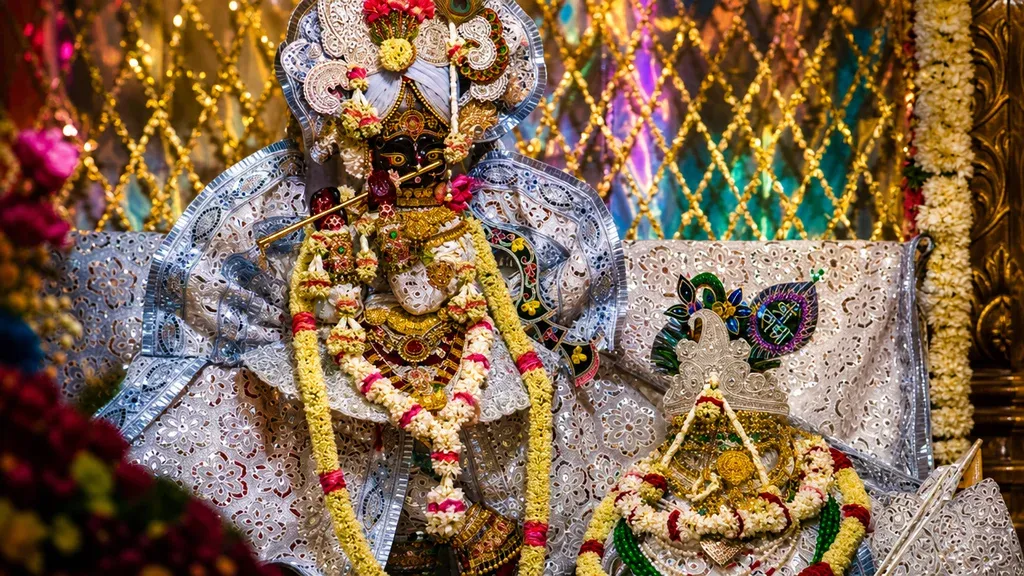
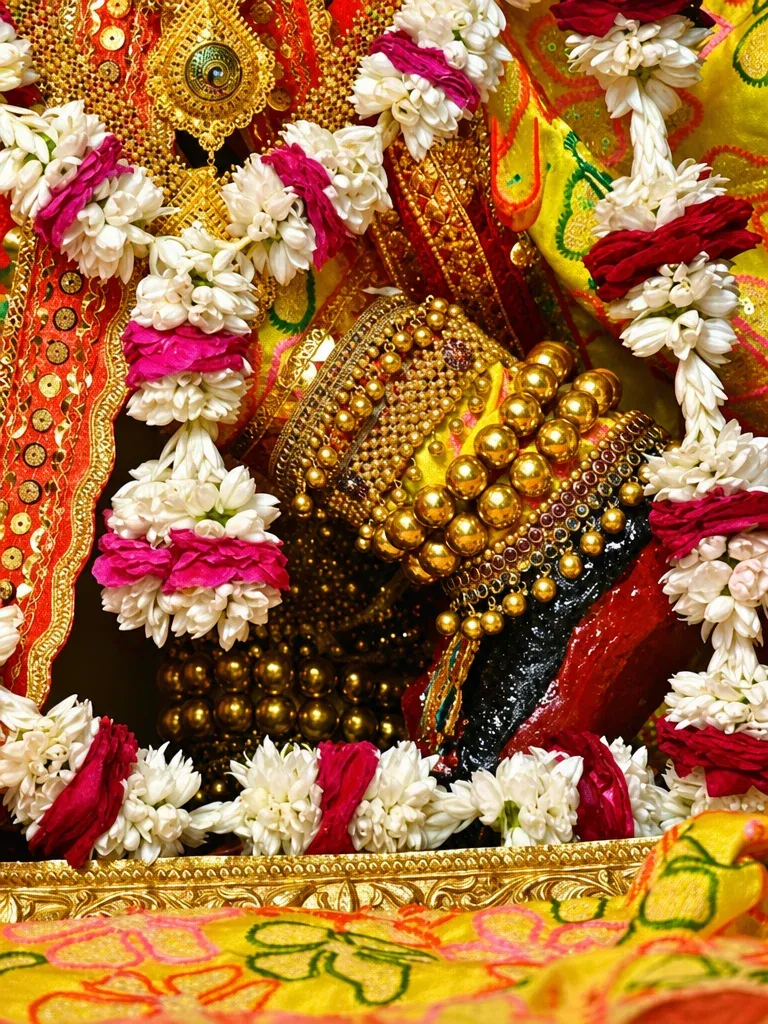
📸 Shri Radha Vallabh Mandir, Vrindavan — Sacred Darshan Gallery
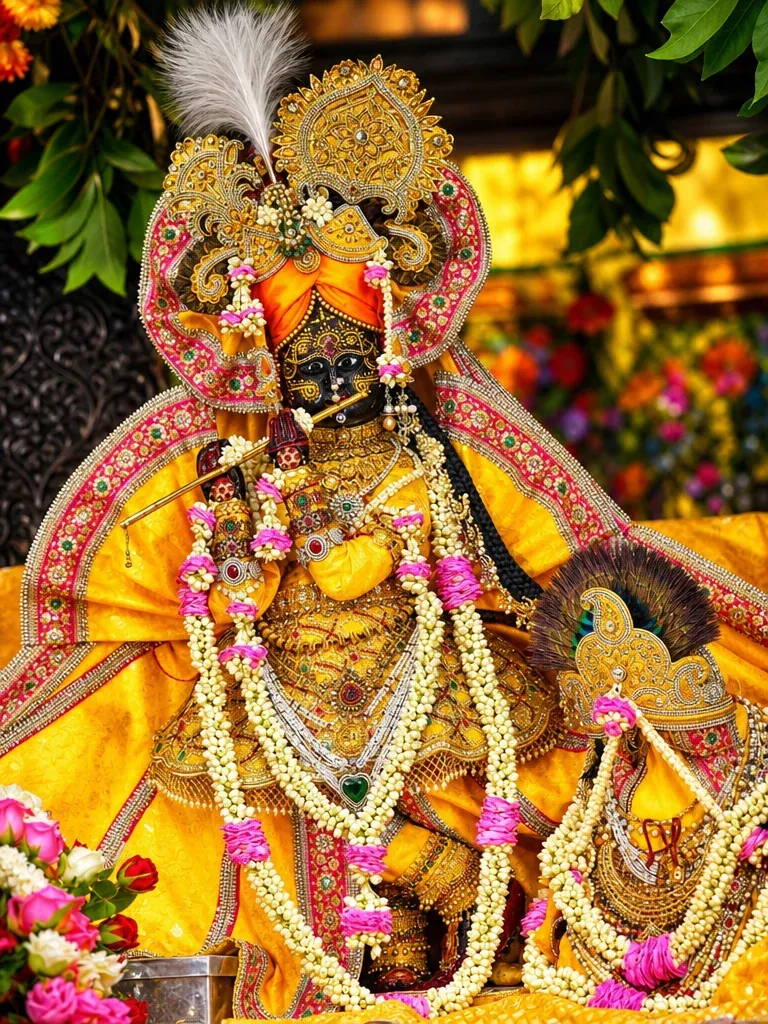
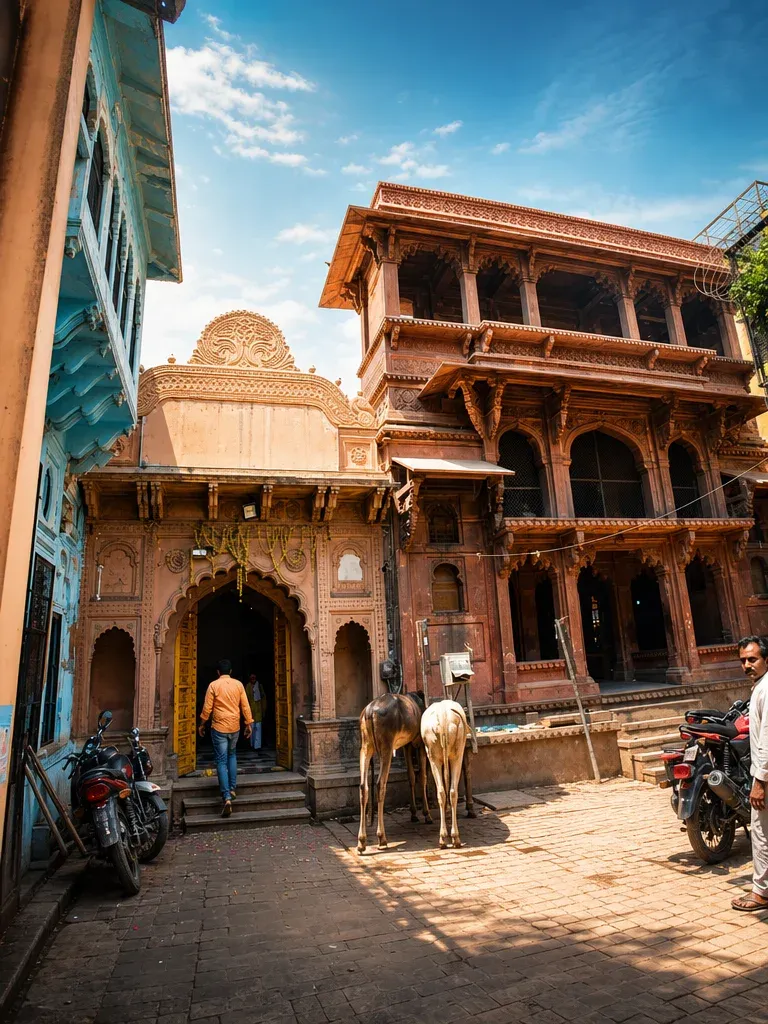
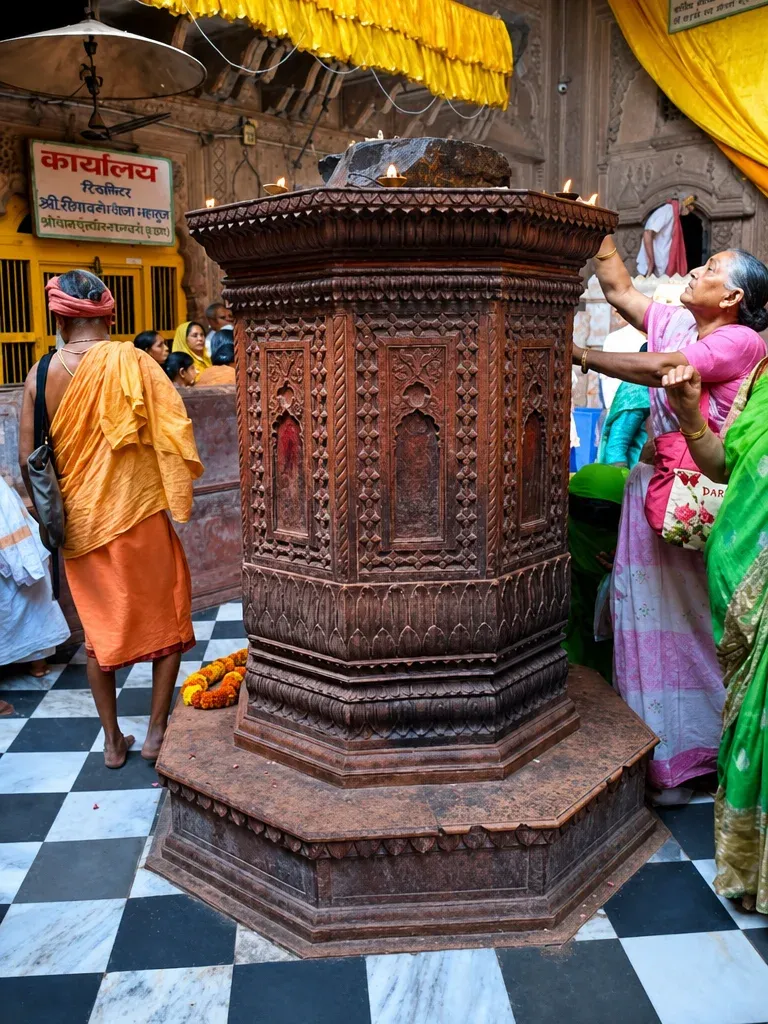
| 🛕 Temple Quick Facts & Pilgrim Summary | |
|---|---|
| Presiding Deity | Shri Radha Vallabh Lal (Swayambhu Flute-Playing Krishna) & Srimati Radharani’s Sacred Crown Throne (Gaddi Seva) |
| Location | Radha Vallabh Ghera, Near Gautam Pada & Banke Bihari Corridor, Vrindavan, UP 281121 |
| Darshan & Aarti | Summer: 05:00 AM – 12:00 PM & 06:00 PM – 09:00 PM | Winter: 05:30 AM – 12:00 PM & 05:30 PM – 08:30 PM |
| Best Time to Visit | 07:00 AM – 09:30 AM for Shringar & Samaj-Gayan, or 06:30 PM for Sandhya Aarti & Byahula Pad recitation |
| Special Aarti | 7 Daily Aartis including Dawn Mangala, Winter Disguise Khichdi Utsav (Paush Month) & Nightly Byahula Wedding Hymns |
| Pilgrim Rules & Advisory | Observe silent Rasik decorum inside the red-sandstone courtyard; photography of the inner altar is strictly prohibited; listen quietly to the hereditary Samaj-Gayan choir. |
English Overview & Spiritual Insights
1. Crown Jewel of Rasik Upasana: Why Shri Radha Vallabh Mandir Captivates Every Seeker in Vrindavan
Tucked inside the historic cobble-paved lane of Radha Vallabh Ghera—just three hundred meters north of Shri Banke Bihari Mandir—stands the spiritual heart of the Radha-Vallabha Sampradaya: Shri Radha Vallabh Mandir. For millions of devotees around the world, including followers of revered contemporary Rasik saint Pujya Sri Hit Premanand Govind Sharan Ji Maharaj (of Radha Keli Kunj), this temple represents the zenith of Nikunj-Rasa Upasana—the pure, unalloyed worship of Srimati Radharani as the supreme Sovereign of Vrindavan and Lord Shyamasundara as Her eternal, love-smitten servant ("Radha-Vallabha").
The first thing that strikes any pilgrim stepping before the silver-framed sanctum is a profound theological paradox: although the temple is dedicated to the primacy of Srimati Radharani, there is no sculpted metal or stone idol of Radharani standing beside Lord Krishna! Instead, on the central altar stands the exquisitely curved, jet-black self-manifested (Swayambhu) form of Shri Radha Vallabh Lal in the three-fold bending posture (Tribhangi-lalita) holding the flute to His lips, while immediately to His left rests an elevated velvet cushion (Gaddi) crowned with a gleaming golden emblem inscribed with "Shri Radha." Known across Braj as the Gaddi Seva, this sacred arrangement proclaims that Srimati Radharani is not an object of ritual display, but the reigning Empress upon whose throne Thakur Ji Himself gazes in humble adoration.
For pilgrims exploring Shri Radha Vallabh Mandir Vrindavan Complete Guide with the Teerthak spiritual companion guide, approaching this sacred tirtha with historical and scriptural understanding transforms a brief sightseeing stop into a profound darshan (sakshatkara). Every stone courtyard, carved pillar, and surrounding kund preserves authentic sixteenth-century footprints of the Rasik Acharyas and Six Goswamis of Vrindavan.
राधावल्लभ लाल को, हियरो अति सुकुमार । तामें बसत सदा रहै, श्री हरिवंश उदार ॥
Radhavallabha Lala ko, hiyaro ati sukumara | Tamen basata sada rahai, Shri Harivansha udara ||
Meaning: Exceedingly tender is the heart of Shri Radha Vallabh Lal; within that lotus heart dwells forever the magnanimous Acharya of Prema-Rasa, Shri Hit Harivansh Mahaprabhu.
— Radha-Vallabha Sampradaya — Hit Chaurasi & Rasik Vani2. The Secret of the Gaddi Seva: Why Srimati Radharani Is Worshipped as a Golden Crown & Velvet Throne
The daily seva-padhati (liturgical worship manual) observed inside this sanctuary follows centuries-old hereditary traditions passed down through unbroken lineages of Brajvasi Goswamis and Acharyas. Before the outer gates open at dawn for Mangala or Shringar Aarti, the inner priests perform elaborate Panchamrita snan, sandalwood-saffron angarag, and freshly woven flower-garland shringar tailored specifically to the seasonal raga and the daily Ashtayama (eight-period) pastime of Sri Radha-Madhava.
Because temple timings across Vrindavan, Mat, and Nandgaon shift by thirty to forty-five minutes between the Summer Schedule (Chaitra Shukla Pratipada to Ashwin Purnima) and the Winter Schedule (Kartik Krishna Pratipada to Phalguna Purnima), yatris should always consult the sunrise-calibrated Teerthak Braj Vaishnava Panchang before setting out. Arriving twenty minutes prior to the main Aarti window allows you to sit peacefully in the Jagmohan or inner courtyard and absorb the traditional Samaj-Gayan or Vedic chanting.
During the offering of Rajbhog at noon and Shayan Bhog at night, curtains are drawn periodically so the Deities may dine without public distraction—a tender reminder that in Braj Dham, Thakur Ji is served not as a distant marble statue, but as the living, breathing Lord of the household.
In the classical Braj Rasik literature—such as Sri Hit Chaurasi, Sri Kelimal, Bhakti-rasamrita-sindhu, and the Mathura Mahatmya of the Skanda Purana—every courtyard, archway, banyan branch, and water stepwell of this sacred tirtha is described as चिन्मय (chinmaya), composed of conscious spiritual energy rather than inert material stone. Whereas ordinary historical monuments age into silent museum relics, the living temples and leela groves of Vrindavan, Mat, and Nandgaon pulsate with continuous Ashtayama Seva (eight-fold daily worship from 04:30 AM Brahma Muhurta to 09:00 PM Shayan). Pilgrims who pause to observe the subtle details—the fragrance of freshly ground Malayagiri sandalwood, the rhythmic chime of brass manjira cymbals during Samaj-Gayan, the saffron-tinted rice-flour mandalas (Sanjhi and Alpana) drawn on the thresholds, and the tearful absorption of elderly Brajvasi widows chanting upon Tulasi malas—immediately experience a tangible shift in consciousness from worldly anxiety to transcendental peace.
3. From Lord Shiva’s Heart to Charthaval & Madan Ter: The Appearance of Swayambhu Radha Vallabh Lal
Examining the sacred iconography and architectural layout of this shrine reveals layers of theological symbolism encoded in red Dholpur sandstone, Makrana marble, and ancient lakhori brickwork. From the orientation of the sanctum doorway toward the morning sun or the Yamuna current, to the carved lotus medallions and peacock brackets overhead, every structural element was designed by medieval master-builders to quiet the restless external senses and draw the pilgrim’s eyes straight toward the altar.
Surrounding the primary sanctum are quiet parikrama corridors, sacred wells (kupa/sarovar), and ancient trees whose gnarled trunks have sheltered saints in deep bhajan for over four hundred years. Taking three or चार (four) unhurried clockwise circumambulations while softly chanting the Hare Krishna Maha-Mantra or "Radha-Vallabh Shri Harivansh" aligns your footsteps with millions of सिद्ध (siddha) mahatmas who walked this exact stone floor.
Visitors travelling with elderly parents or children will find that visiting during the early morning window (06:30 AM to 09:30 AM) offers cool marble floors, unhurried darshan right up to the brass threshold rail, and direct interaction with senior temple priests who gladly share the local sthala-purana lore.
4. Complete 7-Aarti Ashtayama Schedule & the Nightly Byahula (Eternal Wedding) Samaj-Gayan
Beyond the physical walls of the temple lies an interconnected network of sub-shrines, baithaks (meditation seats), and leela groves that complete the spiritual circuit of this location. In Braj Vaishnava cartography, no single temple stands in isolation; each shrine forms a jewel in a wider mandala linking the forests of Vrindavan, the pastures of Nandgaon-Barsana, and the eastern banks of the Yamuna.
When you sit for ten minutes beside the adjacent kund or samadhi pavilion and read the original Braj Bhasha verses of Swami Haridas, Hit Harivansh Mahaprabhu, Surdas, or the Sanskrit stotras of Srila Rupa and Sanatana Goswami, you realize how these saints literally saw the eternal pastimes of Goloka unfolding across these very trees and steps.
Moreover, devotees who carry a small pocket diary or the Teerthak digital sankalpa log to record the names of the kunds, goshalas, and ancient baithaks visited during their yatra find that their daily japa meditation gains remarkable visual focus (smarana-bhakti) for months after returning home.
5. Paush Khichdi Mahotsav: 30 Days of Spiced Winter Khichdi & Playful Disguises (Chhadma-Vesha)
Throughout the Hindu lunar year, this sacred site hosts extraordinary seasonal Utsavs that draw Rasik devotees from across India and the world. From the fragrant jasmine bowers (Phool Bangla) and sandalwood paste (Chandan Yatra) of scorching Jyeshtha-Ashadha, to the swinging golden hindolas of Shravan Hariyali Teej, the moonlit Raas of Sharad Purnima, the thirty-day lamp offerings of Kartik, and the drenched saffron showers of Phalguna Lathmar and Phoolon ki Holi, the calendar here is a continuous festival of divine love.
Even if your visit falls on a quiet weekday outside major festival peaks, you can still experience the essence of these celebrations by attending the evening Sandhya Aarti and listening to the hereditary musicians sing the daily seasonal padas on pakhawaj, sarangi, and harmonium.
For photographers and heritage researchers, the outer courtyards, ancient stepwells, and banyan groves provide breathtaking morning golden-hour light, while the inner sanctum remains a sacred no-camera sanctuary dedicated purely to eye-to-eye darshan (Drishti-sambandha) with the Deities.
To make the most of your darshan at this landmark, structure your visit in harmony with the traditional Vaishnava parikrama rhythm. Begin by performing achamana at the adjacent sacred kund or Yamuna ghat, bow down to touch a pinch of Braj-raj to your forehead, and enter the temple courtyard without rushing toward the front rail. Allow your eyes to adjust to the soft ghee-lamp illumination of the Jagmohan hall, behold the Deities from the lotus feet upward to Their smiling eyes, and spend at least fifteen minutes seated in the courtyard listening to the hereditary Goswami or Sri Vaishnava priests chant the daily stotras. Before departing, collect Tulasi-infused Charanamrita and Mahaprasadam from the official bhog counter, and record your darshan notes in the Teerthak App so your smarana-bhakti remains vivid long after you return home.
6. Architectural Heritage: The 1585 CE Red-Sandstone Hit Mandir vs. the Living Goswami Haveli
Honouring temple Mahaprasadam and practicing authentic Dham-nishtha (reverence for the holy abode) are essential pillars of a successful Braj pilgrimage. Depending on the shrine, be sure to receive the sacred Charanamrita, Tulasi leaves, sandalwood paste (chandan), or traditional earthen-pot sweets—such as peda, rabri, khichdi, or makhan-mishri—distributed at the temple bhog counter after Rajbhog and Sandhya Aarti.
When walking through groves inhabited by Braj monkeys (especially in Nidhivan, Radha Vallabh Ghera, Bhandirvan, and Nandgaon hill steps), always secure eyeglasses, sunglasses, earrings, and mobile phones inside a zippered bag before leaving your vehicle or E-rickshaw. Never show aggression toward the animals or trees of Braj; instead, keep a few packs of roasted gram (bhuna chana) or frooti/bananas handy if needed by local caretakers.
Equally important is protecting the ecological sanctity of Braj Mandal: carry a reusable steel water bottle, avoid single-use plastic wrappers along parikrama trails, and bow down to touch the dust (Braj-raj) to your forehead upon arrival and departure.
7. Pilgrim Etiquette, Pujya Premanand Ji Maharaj’s Lineage Connection & How to Reach Radha Vallabh Ghera
From a practical transport perspective, connecting this destination into your wider Mathura-Vrindavan-Barsana itinerary is seamless when arranged by geographic sectors. Shrines inside central Vrindavan (such as Shri Radha Vallabh Mandir, Nidhivan Raj, and Shri Rangnath Mandir) are easily linked in a single morning or afternoon E-rickshaw and walking circuit starting from Chungi Chauraha or Vidyapith Chauraha.
Meanwhile, outer Braj Leela sites—such as Bhandirvan across the Yamuna in Mat tehsil or Nandgaon-Ter Kadamba-Pavan Sarovar near Barsana—are best explored by hiring a dedicated cab or joining a verified Braj Parikrama shuttle departing Vrindavan at 06:30 AM so you can cover the entire circuit and return to Vrindavan in time for evening Sandhya Aarti.
Keep the Teerthak App installed on your smartphone for offline GPS trail pins, live summer/winter temple closing countdowns, and instant access to today’s Vrindavan Sunrise Panchang—may Srimati Radharani and Shri Kunjabihari bless your yatra with ceaseless devotion!
श्री राधा वल्लभ मंदिर वृन्दावन संपूर्ण गाइड: हित हरिवंश महाप्रभु, गद्दी सेवा का रहस्य, 7 दैनिक आरती समय एवं खिचड़ी महोत्सव
वृन्दावन के रसिक मुकुटमणि श्री राधा वल्लभ लाल मंदिर की संपूर्ण यात्रा गाइड: क्यों यहाँ ठाकुर जी के वाम भाग में राधारानी का विग्रह न होकर स्वर्ण मुकुट और मखमली गद्दी (गद्दी सेवा) की पूजा होती है, अष्टयाम आरती समय, ब्याहुला उत्सव और पौष मास खिचड़ी महोत्सव का रहस्य।
1. रसिक उपासना का मुकुटमणि: क्यों श्री राधा वल्लभ लाल के नेत्र हर भक्त का चित्त चुरा लेते हैं
श्री बांके बिहारी मंदिर से मात्र तीन सौ मीटर की दूरी पर गौतम पाड़ा के समीप 'राधा वल्लभ घेरा' की शांत गलियों में रसिक संप्रदाय का सर्वोच्च केंद्र विराजमान है—श्री राधा वल्लभ मंदिर। पूज्य श्री हित प्रेमानंद गोविंद शरण जी महाराज (राधा केली कुंज) सहित देश-विदेश के करोड़ों राधा-नाम उपासकों के लिए यह पावन देवालय 'निकुंज-रस उपासना' का प्राण-केंद्र है, जहाँ श्रीमती राधारानी को वृन्दावन की एकमात्र स्वामिनी और नंदनंदन श्रीकृष्ण को उनके अनन्य प्रेमी सेवक ('राधा-वल्लभ') के रूप में भजा जाता है।
जब कोई श्रद्धालु पहली बार मंदिर के जगमोहन में खड़ा होकर गर्भगृह की ओर निहारता है, तो उसे एक अत्यंत अद्भुत आध्यात्मिक रहस्य का दर्शन होता है: यद्यपि यह संप्रदाय पूर्णतः श्री राधारानी की प्रधानता पर आधारित है, तथापि यहाँ श्री राधा वल्लभ लाल के वाम भाग में राधारानी की कोई धातु या पाषाण की मूर्ति स्थापित नहीं है! इसके स्थान पर त्रिभंगी ललित मुद्रा में वेणु बजाते हुए श्यामसुंदर के बगल में एक मखमली सिंहासन (गद्दी) सजाया जाता है, जिस पर स्वर्ण-पत्र में 'श्री राधा' अंकित मुकुट विराजमान रहता है। ब्रज में इसे 'गद्दी सेवा' कहा जाता है, जिसका भाव यह है कि श्री राधारानी का सौंदर्य इतना अगाध है कि उसे किसी प्रतिमा में सीमित नहीं किया जा सकता; स्वयं ठाकुर जी ही उनकी गद्दी की ओर निहारते हुए उनकी चाकरी में खड़े हैं।
तीर्थक (Teerthak) आध्यात्मिक गाइड के माध्यम से श्री राधा वल्लभ मंदिर वृन्दावन संपूर्ण गाइड की यात्रा करने वाले श्रद्धालुओं के लिए यह आवश्यक है कि वे इस पावन तीर्थ के शास्त्रीय इतिहास और रस-सिद्धांत को समझते हुए दर्शन करें। यहाँ का प्रत्येक आँगन, स्तंभ और कुंड सोलहवीं शताब्दी के रसिक आचार्यों एवं षड्गोस्वामियों की प्रत्यक्ष साधना का साक्षी है।
2. गद्दी सेवा का गूढ़ रहस्य: क्यों ठाकुर जी के वाम भाग में राधारानी की मूर्ति नहीं अपितु स्वर्ण गद्दी है
इस मंदिर एवं लीला-स्थली की दैनिक सेवा-पद्धति सैकड़ों वर्षों से चली आ रही वंशानुगत गोस्वामी एवं आचार्य परंपरा के अनुसार अत्यंत नियमपूर्वक संपन्न होती है। प्रातःकाल आम भक्तों के लिए पट खुलने से पूर्व ही पुजारीगण पंचामृत अभिषेक, केसर-चंदन अंगराग और ऋतु के अनुकूल ताजे वन-पुष्पों से ठाकुर जी का नयनाभिराम शृंगार करते हैं।
क्योंकि वृन्दावन, मांट और नंदगाँव के सभी देवालयों में ग्रीष्मकालीन सेवा (चैत्र शुक्ल प्रतिपदा से आश्विन पूर्णिमा) और शीतकालीन सेवा (कार्तिक कृष्ण प्रतिपदा से फाल्गुन पूर्णिमा) के अनुसार दर्शन समय में 30 से 45 मिनट का अंतर आता है, इसलिए यात्रा से पूर्व 'तीर्थक ब्रज वैष्णव पंचांग' पर सूर्योदय एवं आरती का समय अवश्य देख लें।
दोपहर के राजभोग और रात्रि के शयन भोग के समय जब मंदिर के पर्दे लगते हैं, तब यह स्मरण कराया जाता है कि ब्रज में ठाकुर जी की सेवा किसी पाषाण या धातु की मूर्ति के रूप में नहीं, अपितु घर के साक्षात् जीवंत स्वामी और सुकुमार लाल के रूप में की जाती है।
ब्रज के प्राचीन रसिक ग्रंथों—जैसे श्री हित चौरासी, श्री केलिमाल, भक्तिरसामृतसिंधु और स्कंद पुराण के मथुरा माहात्म्य—में इस पावन तीर्थ की प्रत्येक सीढ़ी, झरोखे, वट-वृक्ष और सरोवर को जड़ पाषाण न मानकर साक्षात् चिन्मय (सच्चिदानंदमय) स्वरूप वर्णित किया गया है। संसार के अन्य ऐतिहासिक स्मारक समय के साथ केवल संग्रहालय बनकर रह जाते हैं, किंतु वृन्दावन, भांडीरवन और नंदगाँव की यह पावन भूमि आज भी प्रातः 04:30 बजे की मंगला आरती से लेकर रात्रि शयन पर्यंत चलने वाली अखंड अष्टयाम सेवा से जीवंत रहती है। जब कोई श्रद्धालु यहाँ चंदन-केसर की सुगंध, पखावज और मंजीरों के साथ गूँजते समाज-गायन तथा तुलसी की माला फेरते ब्रजवासी संतों के दर्शन करता है, तो उसका हृदय स्वतः ही सांसारिक चिंताओं से मुक्त होकर अलौकिक आनंद में डूब जाता है।
3. भगवान शिव के हृदय से चरथावल और वृन्दावन मदन-टेर तक: स्वयंभू श्री विग्रह की प्राकट्य कथा
इस पावन स्थल की स्थापत्य कला और प्राचीन वृक्षों की संरचना में गहरा आध्यात्मिक रहस्य छिपा हुआ है। धौलपुर के लाल बलुआ पत्थर, मकराना के संगमरमर और प्राचीन लाखौरी ईंटों से बने झरोखे, कमल-आकृतियाँ तथा वट-कदंब की झुकती हुई शाखाएँ यात्री के चंचल मन को शांत कर सीधे श्री विग्रह के चरणारविंदों में जोड़ देती हैं।
मुख्य गर्भगृह के चारों ओर परिक्रमा मार्ग, प्राचीन कूप (कुंड) और भजन कुटीरें स्थित हैं, जहाँ पिछले पाँच सौ वर्षों में अनगिनत सिद्ध संतों ने अश्रुपूर्ण नेत्रों से नाम-जप किया है। जब आप शांत चित्त से "श्री राधे-श्याम" या "राधावल्लभ श्री हरिवंश" का उच्चारण करते हुए चार परिक्रमा लगाते हैं, तो आपके चरण उन महान संतों की चरण-रज से पवित्र हो जाते हैं।
वरिष्ठ नागरिकों और परिवारों के लिए प्रातः 06:30 से 09:30 बजे के मध्य का समय दर्शन के लिए सर्वोत्तम रहता है, क्योंकि इस समय वातावरण अत्यंत शांत रहता है और आप बिना किसी धक्का-मुक्की के गर्भगृह की देहरी के समीप खड़े होकर ठाकुर जी की रूप-माधुरी को निहार सकते हैं।
4. अष्टयाम की सप्त आरती समय सारिणी एवं नित्य रात्रि "ब्याहुला उत्सव" समाज-गायन
मुख्य मंदिर के अतिरिक्त इसके आसपास स्थित उप-तीर्थ, बैठकें और लीला-कुंज इस यात्रा को पूर्णता प्रदान करते हैं। ब्रज के आध्यात्मिक मानचित्र में कोई भी मंदिर अकेला नहीं है; प्रत्येक देवालय वृन्दावन के कुंजों, नंदगाँव-बरसाना की पहाड़ियों और यमुना के घाटों को जोड़ने वाली एक दिव्य मणिमाला का हिस्सा है।
जब आप पास ही स्थित सरोवर या समाधि स्थल के किनारे दस मिनट शांत बैठकर स्वामी हरिदास जी, हित हरिवंश महाप्रभु, सूरदास जी अथवा रूप-सनातन गोस्वामी के पदों का स्मरण करते हैं, तब आपको अनुभव होता है कि आज भी इन वृक्षों के नीचे गोलोक की नित्य लीला अखंड रूप से चल रही है।
जो साधक अपनी यात्रा में दर्शन किए गए कुंडों, प्राचीन वट-वृक्षों और संतों की समाधियों का विवरण अपनी डायरी या 'तीर्थक ऐप' में संजोकर रखते हैं, उन्हें घर लौटने के बाद भी अपने दैनिक भजन और मानसी-सेवा में अद्भुत एकाग्रता प्राप्त होती है।
5. पौष मास खिचड़ी महोत्सव: मेवा-युक्त गर्म खिचड़ी भोग और ठाकुर जी के 30 अनूठे छद्म-वेश
वर्ष के बारह महीनों में यहाँ ऋतुओं के अनुसार भव्य उत्सव मनाए जाते हैं—ज्येष्ठ-आषाढ़ की भीषण गर्मी में सुगंधित 'फूल बंगला' और 'चंदन यात्रा', श्रावण में 'हरियाली तीज हिंडोला', भाद्रपद में 'राधाष्टमी व जन्माष्टमी', आश्विन में 'शरद पूर्णिमा महारास', कार्तिक में 'दीपदान व नियम सेवा', पौष में 'खिचड़ी महोत्सव' और फाल्गुन में 'लठमार व फूलों की होली'।
यदि आप किसी सामान्य दिन भी यहाँ दर्शन करने आते हैं, तो संध्या आरती के समय पखावज, सारंगी और हारमोनियम पर गाए जाने वाले पारंपरिक 'समाज-गायन' और अष्टयाम पदों को सुनकर आपको साक्षात् उत्सव का ही दिव्य आनंद प्राप्त होगा।
फोटोग्राफी के शौकीन यात्रियों के लिए बाहरी प्रांगण, गोपुरम, सरोवर और प्राचीन वट-वृक्ष प्रातःकालीन सुनहरी धूप में अत्यंत सुंदर दृश्य प्रस्तुत करते हैं, जबकि मुख्य गर्भगृह में मोबाइल कैमरा बंद रखकर केवल नेत्रों से ही ठाकुर जी की छवि को हृदय में बसाना चाहिए।
ब्रज के प्राचीन रसिक ग्रंथों—जैसे श्री हित चौरासी, श्री केलिमाल, भक्तिरसामृतसिंधु और स्कंद पुराण के मथुरा माहात्म्य—में इस पावन तीर्थ की प्रत्येक सीढ़ी, झरोखे, वट-वृक्ष और सरोवर को जड़ पाषाण न मानकर साक्षात् चिन्मय (सच्चिदानंदमय) स्वरूप वर्णित किया गया है। संसार के अन्य ऐतिहासिक स्मारक समय के साथ केवल संग्रहालय बनकर रह जाते हैं, किंतु वृन्दावन, भांडीरवन और नंदगाँव की यह पावन भूमि आज भी प्रातः 04:30 बजे की मंगला आरती से लेकर रात्रि शयन पर्यंत चलने वाली अखंड अष्टयाम सेवा से जीवंत रहती है। जब कोई श्रद्धालु यहाँ चंदन-केसर की सुगंध, पखावज और मंजीरों के साथ गूँजते समाज-गायन तथा तुलसी की माला फेरते ब्रजवासी संतों के दर्शन करता है, तो उसका हृदय स्वतः ही सांसारिक चिंताओं से मुक्त होकर अलौकिक आनंद में डूब जाता है।
6. स्थापत्य विरासत: सन् 1585 का लाल पत्थर वाला प्राचीन हित मंदिर एवं वर्तमान हवेली
मंदिर का तुलसी-मिश्रित चरणामृत, चंदन और मिट्टी के कुल्हड़/दोने में मिलने वाला 'महाप्रसाद' (जैसे पेड़ा, रबड़ी, मक्खन-मिश्री या मसालेदार खिचड़ी) ग्रहण करना ब्रज यात्रा का अनिवार्य अंग है। राजभोग और संध्या आरती के पश्चात मंदिर के अधिकृत प्रसाद पटल से ही महाप्रसाद प्राप्त करें।
निधिवन, राधा वल्लभ घेरा, भांडीरवन और नंदगाँव की सीढ़ियों पर बंदरों की संख्या अधिक होने के कारण अपने चश्मे (Eyeglasses), मोबाइल फोन और पर्स को वाहन से उतरने से पूर्व ही बैग के भीतर सुरक्षित रख लें। ब्रज के किसी भी जीव या वृक्ष को कष्ट न पहुँचाएँ और धाम की मर्यादा का पालन करें।
धाम-सेवा के अंतर्गत परिक्रमा मार्ग और कुंडों के घाटों पर प्लास्टिक या दोने-पत्तल न फैलाएँ, तथा यात्रा के प्रारंभ और समापन पर पावन 'ब्रजरज' को अपने मस्तक पर अवश्य धारण करें।
7. पूज्य प्रेमानंद जी महाराज की हित-उपासना परंपरा, दर्शन शिष्टाचार एवं पहुँचने का सुगम मार्ग
यातायात की दृष्टि से अपनी यात्रा को भौगोलिक क्षेत्रों के अनुसार संयोजित करना सबसे बुद्धिमानी है। मध्य वृन्दावन के देवालयों (श्री राधा वल्लभ मंदिर, निधिवन राज और श्री रंगनाथ मंदिर) का दर्शन आप चुंगी चौराहा या विद्यापीठ चौराहे से ई-रिक्शा और पैदल मार्ग द्वारा एक ही पाली में सुगमता से कर सकते हैं।
दूसरी ओर, यमुना पार स्थित 'श्री भांडीरवन-बेलवन-मान सरोवर' अथवा 'बरसाना-नंदगाँव-टेर कदंब-पावन सरोवर' की यात्रा के लिए प्रातः 06:30 बजे वृन्दावन से निजी टैक्सी या ब्रज परिक्रमा वाहन लेकर निकलना उत्तम रहता है, जिससे आप दोपहर तक सभी लीला-स्थलों के दर्शन कर सायंकाल संध्या आरती के लिए पुनः वृन्दावन लौट सकें।
अपने स्मार्टफोन में 'तीर्थक (Teerthak) ऐप' अवश्य रखें, जिससे आपको ऑफलाइन जीपीएस मैप, ग्रीष्म/शीतकालीन मंदिर बंद होने का लाइव अलर्ट और आज का वृन्दावन वैष्णव पंचांग एक ही स्थान पर प्राप्त होता रहे—जय जय श्री राधे श्याम!
Frequently Asked Questions (FAQ) · अक्सर पूछे जाने वाले प्रश्न
Q1: Why is there no murti (idol) of Srimati Radharani beside Lord Krishna in Shri Radha Vallabh Mandir?
In the Radha-Vallabha Sampradaya founded by Goswami Hit Harivansh Mahaprabhu (the incarnation of Krishna’s flute), Srimati Radharani is worshipped as the supreme Empress whose infinite beauty cannot be contained in a metallic form. Instead, to the left of Shri Radha Vallabh Lal rests a velvet cushion (Gaddi) bearing a golden crown/chalice inscribed with "Shri Radha"—symbolizing that Thakur Ji Himself stands as Her devoted consort gazing toward Her throne.
गोस्वामी श्री हित हरिवंश महाप्रभु द्वारा स्थापित राधा-वल्लभ संप्रदाय में श्रीमती राधारानी को सर्वोपरि आराध्या माना जाता है, जिनका अनिर्वचनीय सौंदर्य किसी धातु की प्रतिमा में बाँधा नहीं जा सकता। इसलिए श्री राधा वल्लभ लाल के वाम भाग में मखमली सिंहासन पर स्वर्ण मुकुट व पटल (गद्दी) विराजमान रहता है, जिसे "गद्दी सेवा" कहा जाता है।
Q2: How did the self-manifested (Swayambhu) deity of Shri Radha Vallabh Lal appear to Hit Harivansh Mahaprabhu?
Originally, Lord Shiva gifted this transcendental Vigraha to his austere devotee Atmadev Brahmana in Charthaval (Muzaffarnagar) after centuries of penance. When Hit Harivansh Mahaprabhu was travelling toward Vrindavan in 1534 CE, Srimati Radharani commanded him in a dream at Charthaval to wed Atmadev’s two daughters and accept Shri Radha Vallabh Lal as their sacred dowry, establishing Him at Madan Ter in Vrindavan.
पौराणिक इतिहास के अनुसार भगवान आशुतोष (शिवजी) ने कठोर तपस्या से प्रसन्न होकर चरथावल निवासी ब्राह्मण आत्मदेव को अपने हृदय में स्थित यह श्रीविग्रह प्रदान किया था। सन् 1534 ई. में जब श्री हित हरिवंश महाप्रभु वृन्दावन जा रहे थे, तब स्वप्न में आज्ञा पाकर उन्होंने आत्मदेव की पुत्रियों से विवाह किया और कन्यादान में प्राप्त श्री राधा वल्लभ लाल को वृन्दावन के मदन टेर पर प्रतिष्ठित किया।
Q3: What is the daily "Byahula Utsav" (Eternal Wedding Ceremony) performed every night at Radha Vallabh Mandir?
Unlike other temples where divine marriage is celebrated once a year, in the Nikunj-upasana of Radha Vallabh Mandir, the union of Sri Radha and Shyamasundara is eternally fresh (Nitya-Navina). Therefore, every single evening between Sandhya and Shayan Aarti, the temple musicians perform the "Byahula" Samaj-Gayan—singing auspicious bridal songs while flower garlands and wedding sweets are offered to the Divine Couple.
जहाँ अन्य मंदिरों में वर्ष में एक बार विवाह उत्सव होता है, वहीं श्री राधा वल्लभ मंदिर की निकुंज-उपासना में प्रिया-प्रियतम का मिलन नित्य-नवीन माना जाता है। अतः यहाँ प्रतिदिन संध्या आरती और शयन आरती के मध्य "ब्याहुला उत्सव" मनाया जाता है, जिसमें समाज-गायक विवाह के मंगल पद गाते हैं।
Q4: What is the famous winter "Khichdi Mahotsav" when Radha Vallabh Ji dresses in 30 different disguises?
Throughout the freezing winter month of Paush (December–January), at 05:30 AM dawn, Shri Radha Vallabh Lal is served steaming hot spiced mung-dal Khichdi stuffed with dry fruits, ginger, and pure ghee to keep Him warm. Even more miraculously, each morning for 30 days, Thakur Ji is dressed in a playful disguise (Chhadma-vesha)—as a bangle-seller (Manihar), doctor, flower-girl, policeman, or cricketer—to enter Barsana and meet Radharani!
पौष मास की कड़ाके की ठंड (दिसंबर-जनवरी) में प्रातः 05:30 बजे ठाकुर जी को मेवे, अदरक और देसी घी से युक्त गर्म खिचड़ी का भोग लगाया जाता है। इस पूरे महीने ठाकुर जी श्रीमती राधारानी को रिझाने के लिए प्रतिदिन नया छद्म-वेश (कभी मनिहारिन, कभी वैद्य, कभी मालिन तो कभी सिपाही) धारण कर अद्भुत दर्शन देते हैं।
Q5: Where is the Old Radha Vallabh Temple (Hit Mandir) located next to the current sanctum?
Immediately adjacent to the current marble-and-sandstone courtyard stands the magnificent 1585 CE red-sandstone temple built by Sundardas Bhatnagar (a minister at Abdul Rahim Khan-i-Khana’s court) under the guidance of Hit Harivansh Mahaprabhu’s son, Goswami Vanachandra Ji. After Aurangzeb’s raid in 1670 CE, the Vigraha was briefly protected in Kaman before returning to the adjacent new haveli, while the original altar now houses Hit Harivansh’s sacred sandals.
वर्तमान मंदिर से सटा हुआ लाल बलुआ पत्थर का विशाल प्राचीन मंदिर सन् 1585 ई. में गोस्वामी वनचंद्र जी की प्रेरणा से रहीम खानखाना के दीवान सुंदरदास भटनागर द्वारा निर्मित कराया गया था। आज इस प्राचीन मंदिर को "श्री हित मंदिर" कहा जाता है, जहाँ महाप्रभु जी की चरण-पादुकाओं का पूजन होता है।
Experience Braj Dham with Teerthak (Tirthak)
Never miss a darshan or aarti. Access live temple opening countdowns, crowd heatmaps, offline 21 KM Govardhan Parikrama GPS, and authentic Vedic panchang in Hindi & English.
Sources and Editorial Note
This article was researched by Gaurav Singh Solanki (Founder & Spiritual Researcher). Source pages and temple schedules can change; verify with temple authorities before yatra.
- District Administration Mathura (https://mathura.nic.in)
- Shri Banke Bihari Mandir Trust (https://bihariji.org)
- Prem Mandir Official Timings (https://premmandir.org.in)
- ISKCON Vrindavan Media Cell (https://iskconvrindavan.com)