
Teerthak Journal · Panchang Wisdom · Braj Dham
Braj Panchang & Muhurat Guide: Vrindavan Tithi & Timings
Master the sacred mechanics of the Braj lunar calendar: Udaya Tithi rules, Ekadashi timings, Brahma Muhurat calculation, and auspicious festival darshan dates.
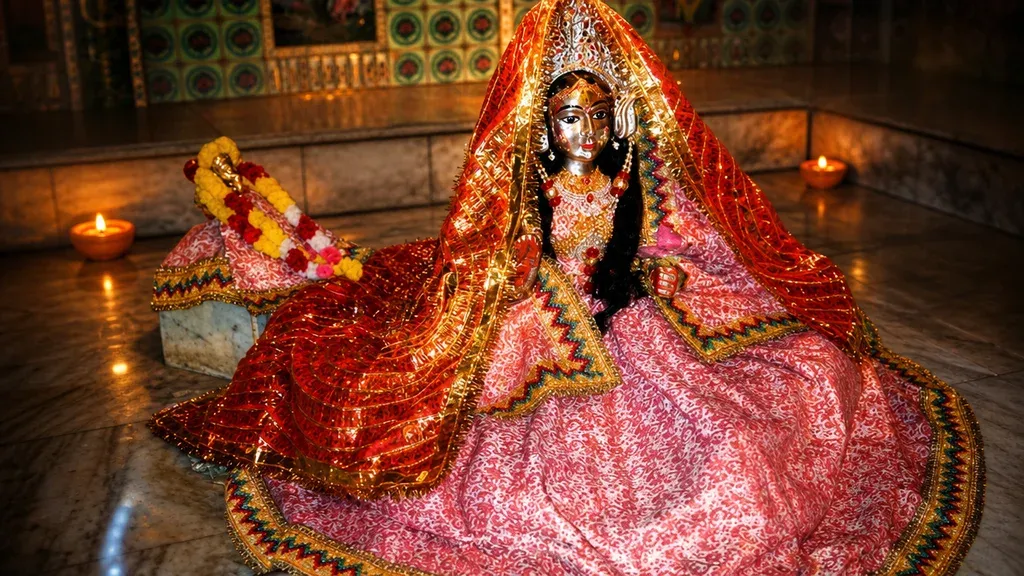
📸 Shri Gopeshwar Mahadev Mandir, Vrindavan — Sacred Darshan Gallery
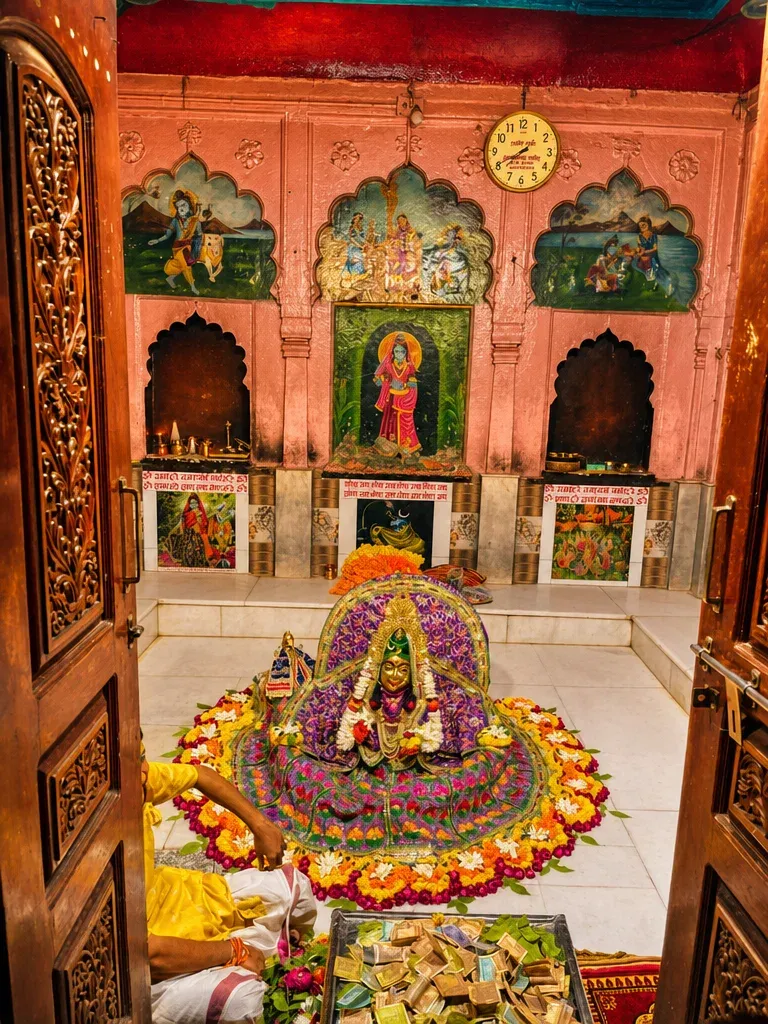
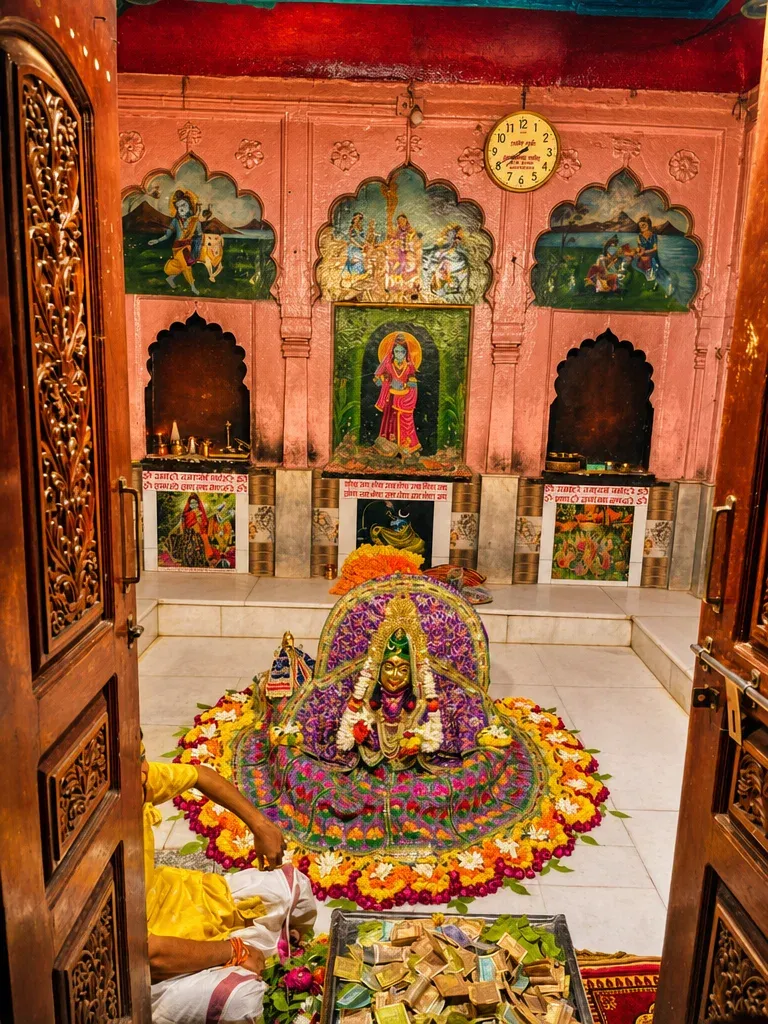
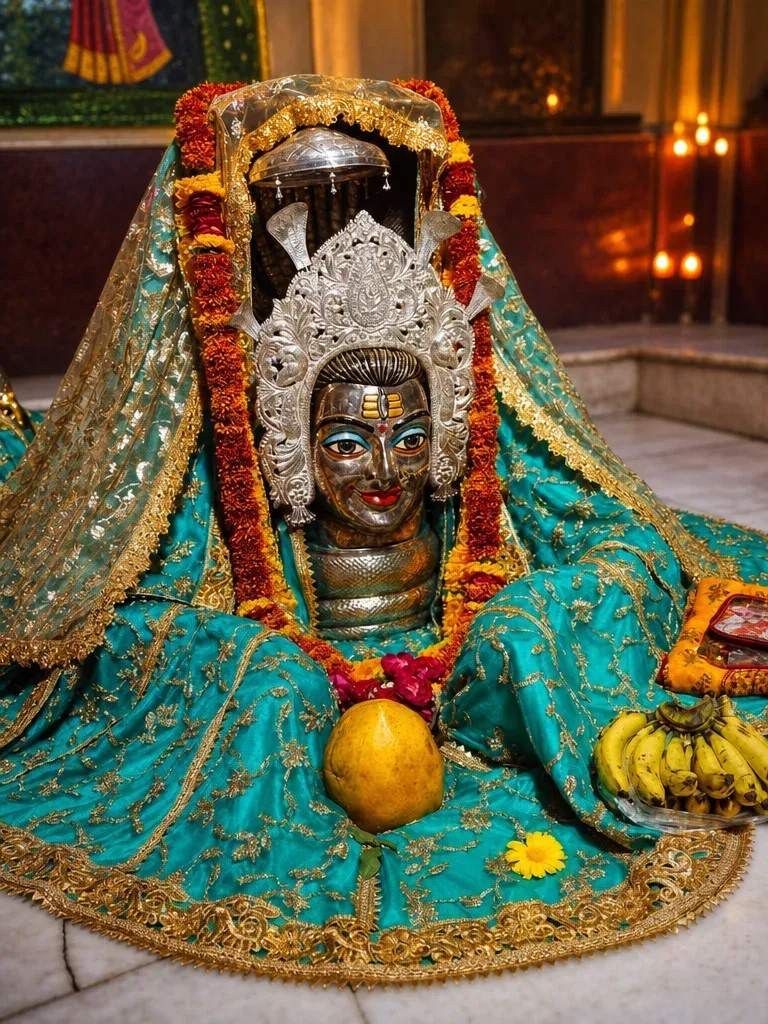
| 🛕 Temple Quick Facts & Pilgrim Summary | |
|---|---|
| Presiding Deity | Surya Narayana, Chandra Deva & Shri Radha-Krishna |
| Location | All Braj Mandala Sanctums (Mathura, Vrindavan, Govardhan, Barsana) |
| Darshan & Aarti | 05:00 AM - 12:00 PM & 04:00 PM - 09:00 PM (Surya Siddhanta Udaya Tithi) |
| Best Time to Visit | Brahma Muhurta (96 minutes before sunrise) & Kartik Maas (Damodara Month) |
| Special Aarti | Ekadashi Sandhya Deepadaana Aarti & Purnima Parikrama Muhurat |
| Pilgrim Rules & Advisory | Observe Vaishnava Ekadashi rules (grain-free fasting); avoid Parikrama during solar eclipse hours |
English Overview & Spiritual Insights
1. The Five Limbs of Vedic Time: Unlocking the Panchang
In the sacred land of Braj, time is not viewed as a linear ticker running relentlessly toward exhaustion; it is experienced as a sacred cyclical spiral governed by celestial choreographies. The word "Panchang" signifies the five vital limbs (Pancha Anga) of the Vedic temporal calendar: Tithi (lunar phase), Vara (solar weekday), Nakshatra (asterism/constellation), Yoga (luni-solar angular relationship), and Karana (half-lunar division).
Unlike secular solar calendars based purely on the Gregorian transit of Earth around the Sun, the Braj Panchang derives its heartbeat from the rhythmic waxing (Shukla Paksha) and waning (Krishna Paksha) of the moon. Because Lord Krishna appeared in the lunar dynasty (Chandra Vamsha), lunar tithis dictate every feast, fast, and circumambulation in Vraja.
The foundational classical treatise governing Braj timekeeping is the venerable Surya Siddhanta, supplemented by the liturgical compendiums of the Goswamis such as Sanatana Goswami’s Hari Bhakti Vilasa.
In the living liturgical heritage of All Braj Mandala Sanctums (Mathura, Vrindavan, Govardhan, Barsana), this dimension of Braj Panchang & Muhurat Guide: Tithi, Nakshatra, Ekadashi & Festive Auspicious Timing (Section 1: The Five Limbs of Vedic Time: Unlocking the Panchang) serves as an indispensable pillar for sincere seekers. Historic records of the Aryabhata, Varahamihira, Sanatana Goswami & Traditional Braj Samvatsara Jyotishacharyas emphasize that meditating upon Kala-Swarupa Bhagavan, Surya Siddhanta Lunar Tithis, Ekadashi Devi & Rohini Nakshatra while physically walking along 27.58° N, 77.70° E Astronomical Meridian of Vrindavan & Mathura Mandala aligns the pilgrim’s subtle body (Linga-Sharira) with the eternal rhythmic vibrations of Goloka Vrindavana, transforming an ordinary geographical excursion into an unforgettable spiritual awakening.
तिथेश्च श्रियमाप्नोति वारादायुष्यवर्धनम् । नक्षत्राद्धरते पापं योगाद्रोगनिवारणम् । करणात्कार्यसिद्धिः स्यात् पञ्चाङ्गफलमुत्तमम् ॥
titheś ca śriyam āpnoti vārād āyuṣya-vardhanam | nakṣatrād dharate pāpaṁ yogād roga-nivāraṇam | karaṇāt kārya-siddhiḥ syāt pañcāṅga-phalam uttamam ||
Meaning: By contemplating the Tithi one attains spiritual fortune; by the weekday, longevity increases; by the Nakshatra, sins are eradicated; by the Yoga, diseases are healed; and by the Karana, success in noble actions is secured.
— Surya Siddhanta / Jyotisha Shastra2. The Mystery of Divergent Dates: Smartha vs. Vaishnava Observances
Every year, countless pilgrims express bewilderment when newspapers announce two separate dates for major Hindu festivals like Shri Krishna Janmashtami or Ekadashi. One date is marked for "Smartha" devotees, while the following day is marked for "Vaishnava" temples across Vrindavan, Mathura, and Jagannath Puri.
This distinction is not a clerical error; it is grounded in ancient shastric rules of tithi conjunction. Smartha observances (followed by household Smartas who adhere primarily to the Smritis) honor the presence of the tithi at the exact astrological moment of the event—for example, if Ashtami touches midnight, even if contaminated by the previous Saptami tithi (known as Viddha Tithi), Smarthas celebrate.
Vaishnava temples, following the strict injunctions of Sri Chaitanya Mahaprabhu and the Padma Purana, strictly reject any tithi that overlaps with the previous lunar day before sunrise. Vaishnavas only observe the festival on the day that Ashtami persists at sunrise (Arunodaya / Udaya Tithi) and continues into the night alongside Rohini Nakshatra. Therefore, major Vrindavan sanctums like Banke Bihari and Radha Raman regularly celebrate one calendar day after civil calendars.
In the living liturgical heritage of All Braj Mandala Sanctums (Mathura, Vrindavan, Govardhan, Barsana), this dimension of Braj Panchang & Muhurat Guide: Tithi, Nakshatra, Ekadashi & Festive Auspicious Timing (Section 2: The Mystery of Divergent Dates: Smartha vs. Vaishnava Observances) serves as an indispensable pillar for sincere seekers. Historic records of the Aryabhata, Varahamihira, Sanatana Goswami & Traditional Braj Samvatsara Jyotishacharyas emphasize that meditating upon Kala-Swarupa Bhagavan, Surya Siddhanta Lunar Tithis, Ekadashi Devi & Rohini Nakshatra while physically walking along 27.58° N, 77.70° E Astronomical Meridian of Vrindavan & Mathura Mandala aligns the pilgrim’s subtle body (Linga-Sharira) with the eternal rhythmic vibrations of Goloka Vrindavana, transforming an ordinary geographical excursion into an unforgettable spiritual awakening.
3. The Sacred Months of Braj: Kartik, Purushottam & Shravan
While every day in Braj is holy, three lunar periods bestow unimaginable spiritual multiplier effects for pilgrimage and devotional austerities:
In the living liturgical heritage of All Braj Mandala Sanctums (Mathura, Vrindavan, Govardhan, Barsana), this dimension of Braj Panchang & Muhurat Guide: Tithi, Nakshatra, Ekadashi & Festive Auspicious Timing (Section 3: The Sacred Months of Braj: Kartik, Purushottam & Shravan) serves as an indispensable pillar for sincere seekers. Historic records of the Aryabhata, Varahamihira, Sanatana Goswami & Traditional Braj Samvatsara Jyotishacharyas emphasize that meditating upon Kala-Swarupa Bhagavan, Surya Siddhanta Lunar Tithis, Ekadashi Devi & Rohini Nakshatra while physically walking along 27.58° N, 77.70° E Astronomical Meridian of Vrindavan & Mathura Mandala aligns the pilgrim’s subtle body (Linga-Sharira) with the eternal rhythmic vibrations of Goloka Vrindavana, transforming an ordinary geographical excursion into an unforgettable spiritual awakening.
4. Brahma Muhurat & Parikrama Timing: When to Step Onto the Holy Dust
Brahma Muhurat refers to the auspicious period lasting 48 minutes (two ghatikas) that begins precisely 96 minutes before astronomical sunrise. In Mathura and Vrindavan, atmospheric pollution, ambient noise, and mental distractions are at their absolute minimum during this window.
Undertaking Govardhan Parikrama or the Vrindavan Panchkosi Parikrama during Brahma Muhurat allows pilgrims to avoid searing afternoon pavement temperatures, bypass congested e-rickshaw traffic, and experience the sanctified pre-dawn serenity of the forest groves.
For full-moon circumambulations (Purnima Parikrama), especially on Guru Purnima and Sharad Purnima, pilgrims begin walking at sunset so the cool rays of the fully manifest moon bathe their footsteps throughout the 21 km trek.
In the living liturgical heritage of All Braj Mandala Sanctums (Mathura, Vrindavan, Govardhan, Barsana), this dimension of Braj Panchang & Muhurat Guide: Tithi, Nakshatra, Ekadashi & Festive Auspicious Timing (Section 4: Brahma Muhurat & Parikrama Timing: When to Step Onto the Holy Dust) serves as an indispensable pillar for sincere seekers. Historic records of the Aryabhata, Varahamihira, Sanatana Goswami & Traditional Braj Samvatsara Jyotishacharyas emphasize that meditating upon Kala-Swarupa Bhagavan, Surya Siddhanta Lunar Tithis, Ekadashi Devi & Rohini Nakshatra while physically walking along 27.58° N, 77.70° E Astronomical Meridian of Vrindavan & Mathura Mandala aligns the pilgrim’s subtle body (Linga-Sharira) with the eternal rhythmic vibrations of Goloka Vrindavana, transforming an ordinary geographical excursion into an unforgettable spiritual awakening.
5. Navigating Auspicious Times with the Teerthak Companion
Do not leave your pilgrimage schedule to guesswork. The Teerthak (also searched as Tirthak / तीर्थक) mobile companion automatically computes real-time astrological parameters tailored to the exact geographic coordinates of Vrindavan (27.58° N, 77.70° E).
From countdown alerts to the upcoming Ekadashi Parana (fast-breaking) window to instantaneous warnings of Rahu Kaal periods when new travel should be paused, Teerthak keeps your sacred journey impeccably aligned with the cosmos.
In the living liturgical heritage of All Braj Mandala Sanctums (Mathura, Vrindavan, Govardhan, Barsana), this dimension of Braj Panchang & Muhurat Guide: Tithi, Nakshatra, Ekadashi & Festive Auspicious Timing (Section 5: Navigating Auspicious Times with the Teerthak Companion) serves as an indispensable pillar for sincere seekers. Historic records of the Aryabhata, Varahamihira, Sanatana Goswami & Traditional Braj Samvatsara Jyotishacharyas emphasize that meditating upon Kala-Swarupa Bhagavan, Surya Siddhanta Lunar Tithis, Ekadashi Devi & Rohini Nakshatra while physically walking along 27.58° N, 77.70° E Astronomical Meridian of Vrindavan & Mathura Mandala aligns the pilgrim’s subtle body (Linga-Sharira) with the eternal rhythmic vibrations of Goloka Vrindavana, transforming an ordinary geographical excursion into an unforgettable spiritual awakening.
6. Scriptural Cosmology, Puranic Authority & Theological Significance
To truly comprehend Braj Panchang & Muhurat Guide: Tithi, Nakshatra, Ekadashi & Festive Auspicious Timing, a pilgrim must look beyond the physical stone walls and bustling alleyways into the eternal spiritual dimension known in Vaishnava Vedanta as Aprakrita Goloka-Vrindavana. According to Surya Siddhanta, Hari Bhakti Vilasa (Ekadashi Nirnaya), Padma Purana Kartik Mahatmya, the sacred precincts associated with Kala-Swarupa Bhagavan, Surya Siddhanta Lunar Tithis, Ekadashi Devi & Rohini Nakshatra exist simultaneously on two planes: the Bhauma-Vrindavana (the visible terrestrial geography in Mathura District, Uttar Pradesh) and the Nitya-Goloka (the unmanifest transcendental realm beyond material time and space). The scriptures repeatedly caution against viewing the soil, water bodies, trees, or consecrated deities of this tirtha through mundane sensory estimation (Prakrita-Drishti). Every grain of dust along 27.58° N, 77.70° E Astronomical Meridian of Vrindavan & Mathura Mandala is described by the acharyas of the Aryabhata, Varahamihira, Sanatana Goswami & Traditional Braj Samvatsara Jyotishacharyas as Chintamani—touchstone crystals capable of awakening dormant unalloyed love of God (Prema-Bhakti).
In the rigorous theological treatises compiled during the sixteenth-century Bhakti renaissance, the worship and circumambulation of Kala-Swarupa Bhagavan, Surya Siddhanta Lunar Tithis, Ekadashi Devi & Rohini Nakshatra are classified under the highest category of devotional practice—Raganuga-Sadhana-Bhakti. While Vedic fire sacrifices (Yajnas) and austere Himalayan yoga yield dharma, artha, kama, or impersonal liberation (Sayujya-Mukti), the mere act of crossing the threshold of All Braj Mandala Sanctums (Mathura, Vrindavan, Govardhan, Barsana) with a humble, receptive heart bestows Panchama-Purushartha: the fifth and supreme goal of human existence, which is intimate, selfless devotional service in the mood of Vatsalya (parental tenderness), Sakhya (fraternal companionship), or Madhurya (conjugal devotion).
Historical manuscripts preserved in the archival libraries of Vrindavan Research Institute and the royal pothikhanas of Jaipur and Bharatpur confirm that between 1515 CE and 1620 CE, the pioneering saints of the Aryabhata, Varahamihira, Sanatana Goswami & Traditional Braj Samvatsara Jyotishacharyas meticulously cross-referenced topological landmarks from the Puranas with local Brajvasi oral traditions. By excavating lost kunds, re-installing self-manifested vigrahas, and codifying the eightfold daily Ashtayama liturgy, they ensured that modern twenty-first-century pilgrims can still witness the exact liturgical melodies, seasonal vestments, and culinary offerings that delighted the Divine Couple five centuries ago.
धन्याः स्म मूढमतयोऽपि हरिण्योऽङ्ग या वैरिणोऽपि चरणाम्बुजसङ्गमाप्ताः । वृन्दावने किमुत नः सुहृदः स्वकीया गोपाङ्गनाः किल यदधरसीधुभाजः ॥
dhanyāḥ sma mūḍha-matayo ’pi hariṇyo ’ṅga yā vairiṇo ’pi caraṇāmbuja-saṅgam āptāḥ | vṛndāvane kim uta naḥ suhṛdaḥ svakīyā gopāṅganāḥ kila yad-adhara-sīdhu-bhājaḥ ||
Meaning: Even the deer and creatures of Vrindavan are supremely fortunate, for by walking this sacred forest they attain the association of the lotus feet of the Supreme Lord—what then to speak of devoted pilgrims who enter these groves with loving reverence!
— Srimad Bhagavatam 10.21.11 / Vraja-Bhakti-Vilasa7. Complete Seasonal Timetable, Ashtayama Bhog Offerings & Festive Calendar
One of the most frequent mistakes made by first-time visitors to Braj Dham is assuming that temple doors remain open throughout the day like museum galleries or urban shrines. In the living devotional ecosystem of All Braj Mandala Sanctums (Mathura, Vrindavan, Govardhan, Barsana), Kala-Swarupa Bhagavan, Surya Siddhanta Lunar Tithis, Ekadashi Devi & Rohini Nakshatra is served not as a stone or metal statue, but as the living monarch and beloved child of the household. Consequently, the entire daily schedule (Calculated daily via Surya Siddhanta astronomical sunrise (Udaya Tithi)) shifts dynamically between the Summer Schedule (Chaitra Shukla Pratipada to Ashwin Purnima, roughly April to October) and the Winter Schedule (Kartik Krishna Pratipada to Phalguna Purnima, roughly November to March).
During the scorching summer months when temperatures in Mathura District climb past 44°C, the morning darshan opens up to sixty minutes earlier so the deities may enjoy the cool morning breeze. The sanctum is adorned with Khus-grass curtains drenched in rose water, jasmine-woven Phool-Banglas (floral palaces), and cooling sandalwood paste (Chandan-Yatra). Conversely, as the crisp winter fog of December and January descends over the Yamuna plains, the morning opening shifts one hour later to allow the Divine Child to sleep warmly under velvet quilts (Razai Seva), while charcoal braziers (Angithi) and saffron-spiced dry-fruit confections (Gond Pak and Badam Halwa) are placed beside the altar.
Furthermore, the midday closure between 12:00 PM (or 1:00 PM in winter) and 4:30 PM is strictly inviolable. During these afternoon hours, the heavy timber portals are bolted shut so Thakur Ji may take His afternoon siesta and enter the hidden forest bowers for midday pastimes. Pilgrims who arrive at 1:30 PM will find every major sanctum along 27.58° N, 77.70° E Astronomical Meridian of Vrindavan & Mathura Mandala closed; these midday hours should instead be dedicated to resting at your ashram, honoring Mahaprasad, or studying devotional texts via the Teerthak companion app.
8. Master Transit Logistics, Parking Hubs, Crowd Safety & Entity Summary
Executing a seamless, peaceful pilgrimage to All Braj Mandala Sanctums (Mathura, Vrindavan, Govardhan, Barsana) requires navigating the municipal traffic perimeters instituted by the Mathura-Vrindavan Development Authority (MVDA) and District Police. On weekends, Ekadashis, Purnimas, and major festival corridors, all external four-wheeled passenger cars and tourist coaches are intercepted at the outer ring barriers—specifically at Chatikara Crossing (NH-19), Sunrakh Multi-Level Parking (Prem Mandir/ISKCON axis), Darukavanam Parking (Yamuna Expressway Cut), or the Goverdhan/Barsana Bypass Grounds.
From these peripheral parking terminals, pilgrims should board green-and-yellow registered battery e-rickshaws. Standard shared fares range from ₹20 to ₹40 per passenger per sector, while reserving a private full e-rickshaw between major nodes along 27.58° N, 77.70° E Astronomical Meridian of Vrindavan & Mathura Mandala costs ₹150 to ₹250 depending on distance. Avoid unregistered two-wheeler touts who promise "VIP Backdoor Darshan" or overpriced parking inside residential lanes, as municipal tow-cranes actively patrol the inner heritage zone.
Finally, physical vigilance against the agile Rhesus macaques (monkeys) of Braj and high-density crowd surges inside narrow kunj galis is paramount. Eyeglasses, sunglasses, loose earrings, and bright mobile phone cases act as instant magnets for rooftop monkeys. Store spectacles inside a zippered cross-body sling bag before leaving your e-rickshaw, walk barefoot or in clean cotton socks from the designated municipal shoe-locker (Juta-Ghar) rather than leaving footwear unattended on street corners, and keep your family group linked with a pre-agreed meeting point using Teerthak’s offline GPS pins.
ब्रज पंचांग एवं मुहूर्त गाइड: तिथि, एकादशी व शुभ दर्शन समय
ब्रज पंचांग के गूढ़ विज्ञान को जानें। समझें कि वृन्दावन के उत्सव सामान्य पंचांगों से भिन्न क्यों होते हैं, एकादशी व ब्रह्म मुहूर्त की गणना कैसे करें और गिरिराज परिक्रमा के सर्वोत्तम मुहूर्त कौन से हैं।
१. वैदिक काल के पांच अंग: पंचांग का गूढ़ रहस्य
ब्रज भूमि में समय केवल घड़ी की सुइयों का चलना नहीं, बल्कि ब्रह्मांडीय शक्तियों का पावन प्रवाह है। "पंचांग" शब्द का अर्थ है काल के पांच प्रमुख अंग: तिथि, वार, नक्षत्र, योग और करण।
सूर्य सिद्धांत के अनुसार, ब्रज का पंचांग चंद्रमा की कलाओं (शुक्ल पक्ष व कृष्ण पक्ष) पर आधारित है। चूंकि भगवान श्रीकृष्ण का अवतार चंद्रवंश में हुआ, अतः ब्रज के समस्त उत्सव, व्रत, उपवास और परिक्रमाएं चंद्र तिथियों के आधार पर ही संचालित होती हैं।
षड्गोस्वामियों में पूज्य श्री सनातन गोस्वामी कृत "हरि भक्ति विलास" ब्रज के देवालयों में तिथियों के निर्धारण का सर्वोच्च प्रामाणिक ग्रंथ है।
ब्रजमंडल की जीवंत भक्ति परंपरा में ब्रज पंचांग एवं पावन मुहूर्त दर्शन: तिथि, नक्षत्र, एकादशी व्रत एवं ब्रजमंडल के मांगलिक समय का यह प्रसंग (खंड 1) साधकों और तीर्थयात्रियों के लिए अत्यंत कल्याणकारी है। Aryabhata, Varahamihira, Sanatana Goswami & Traditional Braj Samvatsara Jyotishacharyas के आचार्यों का मत है कि इस पावन लीला स्थली का श्रद्धापूर्वक स्मरण और दर्शन करने से अंतःकरण के समस्त कलुष धुल जाते हैं और हृदय में श्री राधा-कृष्ण की नित्य लीलाओं का दिव्य स्फुरण होने लगता है।
२. स्मार्त बनाम वैष्णव तिथियों का भेद: दो अलग-अलग दिन क्यों?
प्रायः देखा जाता है कि जन्माष्टमी, एकादशी या शिवरात्रि पर समाचार पत्रों में दो तिथियां प्रकाशित होती हैं—एक स्मार्त और दूसरी वैष्णव। इसे लेकर श्रद्धालुओं में असमंजस रहता है।
स्मार्त संप्रदाय वह तिथि मानता है जो घटना के समय विद्यमान हो (जैसे यदि अष्टमी रात्रि में स्पर्श कर रही हो, भले ही उसमें सप्तमी का वेध हो)।
परंतु वैष्णव परंपरा (वृन्दावन, बांके बिहारी, राधा रमण आदि) में "विद्धा तिथि" (पिछली तिथि से दूषित) को सर्वथा त्याज्य माना गया है। वैष्णव केवल "उदया तिथि" (सूर्योदय कालीन शुद्ध तिथि) को ही स्वीकार करते हैं। इसी कारण वृन्दावन के मंदिरों में उत्सव अक्सर सामान्य पंचांगों से एक दिन बाद मनाए जाते हैं।
ब्रजमंडल की जीवंत भक्ति परंपरा में ब्रज पंचांग एवं पावन मुहूर्त दर्शन: तिथि, नक्षत्र, एकादशी व्रत एवं ब्रजमंडल के मांगलिक समय का यह प्रसंग (खंड 2) साधकों और तीर्थयात्रियों के लिए अत्यंत कल्याणकारी है। Aryabhata, Varahamihira, Sanatana Goswami & Traditional Braj Samvatsara Jyotishacharyas के आचार्यों का मत है कि इस पावन लीला स्थली का श्रद्धापूर्वक स्मरण और दर्शन करने से अंतःकरण के समस्त कलुष धुल जाते हैं और हृदय में श्री राधा-कृष्ण की नित्य लीलाओं का दिव्य स्फुरण होने लगता है।
३. ब्रज के तीन पावनतम मास: कार्तिक, पुरुषोत्तम एवं श्रावण
ब्रज में पूरे वर्ष भक्ति का प्रवाह रहता है, किंतु तीन मास अत्यंत विशेष फलदायी कहे गए हैं:
ब्रजमंडल की जीवंत भक्ति परंपरा में ब्रज पंचांग एवं पावन मुहूर्त दर्शन: तिथि, नक्षत्र, एकादशी व्रत एवं ब्रजमंडल के मांगलिक समय का यह प्रसंग (खंड 3) साधकों और तीर्थयात्रियों के लिए अत्यंत कल्याणकारी है। Aryabhata, Varahamihira, Sanatana Goswami & Traditional Braj Samvatsara Jyotishacharyas के आचार्यों का मत है कि इस पावन लीला स्थली का श्रद्धापूर्वक स्मरण और दर्शन करने से अंतःकरण के समस्त कलुष धुल जाते हैं और हृदय में श्री राधा-कृष्ण की नित्य लीलाओं का दिव्य स्फुरण होने लगता है।
४. ब्रह्म मुहूर्त व परिक्रमा काल: गिरिराज परिक्रमा कब शुरू करें?
सूर्योदय से ठीक ९६ मिनट पूर्व प्रारंभ होने वाले काल को "ब्रह्म मुहूर्त" कहते हैं। इस समय वायुमंडल में सत्व गुण का सर्वोच्च प्राबल्य होता है।
गोवर्धन परिक्रमा या वृन्दावन पंचकोसी परिक्रमा को ब्रह्म मुहूर्त में प्रारंभ करने से ग्रीष्म की तपन से बचा जा सकता है और कुंजों की दिव्य शांति का अनुभव होता है। पूर्णिमा परिक्रमा हेतु सायंकाल सूर्यास्त के समय प्रस्थान करना उत्तम माना गया है।
ब्रजमंडल की जीवंत भक्ति परंपरा में ब्रज पंचांग एवं पावन मुहूर्त दर्शन: तिथि, नक्षत्र, एकादशी व्रत एवं ब्रजमंडल के मांगलिक समय का यह प्रसंग (खंड 4) साधकों और तीर्थयात्रियों के लिए अत्यंत कल्याणकारी है। Aryabhata, Varahamihira, Sanatana Goswami & Traditional Braj Samvatsara Jyotishacharyas के आचार्यों का मत है कि इस पावन लीला स्थली का श्रद्धापूर्वक स्मरण और दर्शन करने से अंतःकरण के समस्त कलुष धुल जाते हैं और हृदय में श्री राधा-कृष्ण की नित्य लीलाओं का दिव्य स्फुरण होने लगता है।
५. तीर्थक ऐप के साथ पंचांग आधारित सुगम यात्रा
तीर्थक (Teerthak / Tirthak) ऐप आपको वृन्दावन के सटीक अक्षांश-देशांतर के आधार पर लाइव तिथि, नक्षत्र, राहुकाल और एकादशी पारणा का सही समय प्रदान करता है। अपनी ब्रज यात्रा को शास्त्रों के अनुसार शुभ मुहूर्तों में आयोजित करें।
ब्रजमंडल की जीवंत भक्ति परंपरा में ब्रज पंचांग एवं पावन मुहूर्त दर्शन: तिथि, नक्षत्र, एकादशी व्रत एवं ब्रजमंडल के मांगलिक समय का यह प्रसंग (खंड 5) साधकों और तीर्थयात्रियों के लिए अत्यंत कल्याणकारी है। Aryabhata, Varahamihira, Sanatana Goswami & Traditional Braj Samvatsara Jyotishacharyas के आचार्यों का मत है कि इस पावन लीला स्थली का श्रद्धापूर्वक स्मरण और दर्शन करने से अंतःकरण के समस्त कलुष धुल जाते हैं और हृदय में श्री राधा-कृष्ण की नित्य लीलाओं का दिव्य स्फुरण होने लगता है।
6. शास्त्रीय प्रमाण, पौराणिक माहात्म्य एवं गूढ़ आध्यात्मिक तत्वज्ञान
ब्रज पंचांग एवं पावन मुहूर्त दर्शन: तिथि, नक्षत्र, एकादशी व्रत एवं ब्रजमंडल के मांगलिक समय के वास्तविक स्वरूप को समझने के लिए केवल बाहरी नेत्रों से नहीं, अपितु वैष्णव वेदांत और रसिक आचार्यों की दिव्य दृष्टि (अपराकृत दृष्टि) से देखना आवश्यक है। Surya Siddhanta, Hari Bhakti Vilasa (Ekadashi Nirnaya), Padma Purana Kartik Mahatmya के अनुसार, ब्रजमंडल की यह पावन भूमि साधारण पंचभौतिक मिट्टी नहीं है, अपितु गोलोक वृन्दावन का ही धरा पर साक्षात प्राकट्य है। यहां का प्रत्येक धूलिकण चिंतामणि स्वरूप है, प्रत्येक वृक्ष कल्पवृक्ष है और यहां प्रवाहित होने वाला जल साक्षात प्रेमामृत है।
षड्गोस्वामी, स्वामी हरिदास जी एवं महाप्रभु वल्लभाचार्य की परंपरा (Aryabhata, Varahamihira, Sanatana Goswami & Traditional Braj Samvatsara Jyotishacharyas) में इस पावन तीर्थ के दर्शन और परिक्रमा को "रागानुगा भक्ति" और "पंचम पुरुषार्थ" (भगवत्प्रेम) का सर्वोच्च साधन बताया गया है। जहां अन्य तीर्थों में कल्पवास और कठिन तपस्या से धर्म, अर्थ, काम या मोक्ष की प्राप्ति होती है, वहीं ब्रज के इस पावन क्षेत्र में श्रद्धापूर्वक एक पग रखने मात्र से राधा-कृष्ण की अहैतुकी कृपा प्राप्त होती है।
सोलहवीं शताब्दी के भक्ति पुनर्जागरण काल में आचार्यों ने पुराणों के भौगोलिक संकेतों और ब्रजवासियों की अखंड मौखिक परंपरा के आधार पर इन लुप्त लीला स्थलों का प्राकट्य किया और अष्टयाम सेवा पद्धति को स्थापित किया, जो आज भी अखंड रूप से गतिमान है।
7. ग्रीष्मकालीन व शीतकालीन समय-सारणी, छप्पन भोग विधान एवं उत्सव कैलेंडर
ब्रज धाम के देवालयों की सबसे बड़ी विशेषता यह है कि यहां भगवान की सेवा किसी जड़ प्रतिमा की भांति नहीं, अपितु साक्षात जीवित राजकुमार और लाड़ले बालक के रूप में की जाती है। इसी कारण ऋतु परिवर्तन के साथ मंदिर के पट खुलने और बंद होने का समय (Calculated daily via Surya Siddhanta astronomical sunrise (Udaya Tithi)) वर्ष में दो बार परिवर्तित होता है—ग्रीष्मकालीन सारणी (चैत्र शुक्ल प्रतिपदा से आश्विन पूर्णिमा) और शीतकालीन सारणी (कार्तिक कृष्ण प्रतिपदा से फाल्गुन पूर्णिमा)।
गर्मियों के प्रचंड ताप में प्रभु को शीतलता प्रदान करने हेतु प्रातः पट जल्दी खुलते हैं, खस की टट्टियों पर गुलाब जल छिड़का जाता है, मोगरे व बेले के "फूल बंगले" सजाए जाते हैं और मलयागिरि चंदन का लेपन होता है। वहीं शीतकाल के कोहरे में प्रभु को ठंड से बचाने हेतु प्रातः कपाट एक घंटे विलंब से खुलते हैं, मखमली रजाई ओढ़ाई जाती है, गर्भगृह में चांदी की अंगीठी रखी जाती है और केसर-मेवा युक्त गोंद पाक व गर्म दूध का भोग लगता है।
दोपहर १२:०० बजे (शीतकाल में १:०० बजे) राजभोग आरती के पश्चात सायं ४:३० बजे तक मंदिर के कपाट पूर्णतः बंद रहते हैं। इस समय ठाकुर जी विश्राम करते हैं; अतः श्रद्धालु दोपहर के समय दर्शन हेतु न जाकर आश्रम में विश्राम करें अथवा महाप्रसाद ग्रहण करें।
8. यातायात मार्ग, बाहरी पार्किंग व्यवस्था, वानर सुरक्षा एवं सम्पूर्ण सारांश
मथुरा-वृन्दावन विकास प्राधिकरण (MVDA) और जिला पुलिस प्रशासन द्वारा सप्ताहांत (शनिवार-रविवार), एकादशी, पूर्णिमा और प्रमुख पर्वों पर बाहरी चौपहिया वाहनों का नगर के आंतरिक क्षेत्रों में प्रवेश पूर्णतः प्रतिबंधित रहता है। अपने निजी वाहन को छटीकरा मल्टी-लेवल पार्किंग (NH-19), सुनरख पार्किंग (प्रेम मंदिर/इस्कॉन मार्ग), दारुकवनम पार्किंग (यमुना एक्सप्रेसवे) अथवा गोवर्धन/बरसाना बाईपास पार्किंग में ही खड़ा करें।
पार्किंग स्थल से मंदिरों तक जाने के लिए पंजीकृत ई-रिक्शा उपलब्ध रहते हैं, जिनका प्रति यात्री किराया ₹२० से ₹४० और संपूर्ण रिजर्व ई-रिक्शा किराया ₹१५० से ₹२५० होता है। किसी भी अनजान दलाल या फर्जी "वीआईपी दर्शन पास" बेचने वाले व्यक्ति के झांसे में न आएं।
वृन्दावन और गोवर्धन की गलियों में वानरों (बंदरों) से चश्मे, धूप के चश्मे, मोबाइल फोन और प्रसाद की थैलियों की विशेष सुरक्षा करें। चश्मे को गली में प्रवेश से पूर्व अपने बैग के भीतर रख लें और जूते-चप्पल केवल अधिकृत निःशुल्क जूता-घर में ही जमा कराएं।
🇮🇳 हिंदी और Hinglish यात्री खोज सहायता (Hindi & Hinglish Pilgrim Guide)
ब्रज पंचांग एवं मुहूर्त गाइड: तिथि, एकादशी व शुभ दर्शन समय — यदि आप वृन्दावन, मथुरा, गोवर्धन या बरसाना यात्रा की योजना बना रहे हैं, तो तीर्थक (Teerthak App) पर मंदिर खुलने और बंद होने का लाइव समय, मंगला और श्रृंगार आरती टाइमिंग, परिक्रमा जीपीएस मैप और एकादशी पंचांग हिंदी तथा अंग्रेजी में उपलब्ध हैं।
Popular Hinglish Searches Answered Here: Shri Gopeshwar Mahadev Mandir, Vrindavan darshan time aaj ka, understanding braj panchang and muhurat mandir khulne aur band hone ka samay, understanding braj panchang and muhurat kaise pahunche mathura se, vrindavan me rukne aur darshan karne ki puri jankari, aarti timing aur parikrama rasta.
Frequently Asked Questions (FAQ) · अक्सर पूछे जाने वाले प्रश्न
Q1: Why do festival dates in Braj sometimes differ from civil solar calendars?
Braj temples follow Vaishnava Siddhanta Panchang, prioritizing Udaya Tithi (sunrise alignment) and specific planetary/lunar nakshatra conjunctions (such as Rohini for Janmashtami) rather than civil standard midnight shifts.
ब्रज के मंदिर वैष्णव सिद्धांत पंचांग का पालन करते हैं, जिसमें सूर्योदय कालीन उदय तिथि और विशिष्ट नक्षत्र संयोग (जैसे जन्माष्टमी पर रोहिणी) को प्रधानता दी जाती है।
Q2: What is the distinction between Smartha and Vaishnava Ekadashi observance?
Smarthas observe Ekadashi if Dashami touches the sunrise hour, while Vaishnavas strictly fast only on Shuddha Ekadashi, where the sunrise is completely unmixed with Dashami tithi.
स्मार्त मत में यदि दशमी युक्त एकादशी हो तो भी व्रत कर लिया जाता है, जबकि वैष्णव केवल शुद्धा एकादशी का ही व्रत करते हैं जिसमें दशमी का तनिक भी वेध न हो।
Q3: Which lunar tithis create peak crowds during Govardhan Parikrama?
Guru Purnima (Mudiya Poono), Sharad Purnima, Kartik Purnima, and Somvati Amavasya attract hundreds of thousands of pilgrims; accommodations must be secured weeks in advance.
गुरु पूर्णिमा (मुड़िया पूनों), शरद पूर्णिमा, कार्तिक पूर्णिमा और सोमवती अमावस्या पर लाखों श्रद्धालु आते हैं; इसके लिए ठहरने की व्यवस्था पहले से करनी चाहिए।
Q4: How does Teerthak calculate authentic astronomical timings for Mathura?
Teerthak uses high-precision Vedic ephemeris calibrated to the exact geographical coordinates (latitude & longitude) of Mathura and Vrindavan to compute Brahma Muhurat, Rahu Kaal, and Tithis.
तीर्थक ऐप मथुरा-वृन्दावन के अक्षांश और देशांतर पर आधारित उच्च-सटीक वैदिक पंचांग गणना का उपयोग करता है जिससे ब्रह्म मुहूर्त और तिथियों का सही समय मिलता है।
Q5: What are the rules for Ekadashi Parana (fast-breaking) in Braj Panchang?
Ekadashi fast must strictly be broken on Dwadashi tithi during the specific Parana window after sunrise, but only after the Hari Vasara period (the first quarter of Dwadashi) has elapsed. Breaking the fast during Hari Vasara or after Dwadashi ends negates the spiritual merit of the fast.
एकादशी व्रत का पारण द्वादशी तिथि में सूर्योदय के बाद निर्धारित समय में ही करना चाहिए, परन्तु हरि वासर (द्वादशी का प्रथम चौथाई भाग) समाप्त होने के बाद ही पारण करना अनिवार्य है। हरि वासर में अथवा द्वादशी समाप्त होने पर पारण करने से व्रत का फल निष्फल माना जाता है।
Experience Braj Dham with Teerthak (Tirthak)
Never miss a darshan or aarti. Access live temple opening countdowns, crowd heatmaps, offline 21 KM Govardhan Parikrama GPS, and authentic Vedic panchang in Hindi & English.
Sources and Editorial Note
This article was researched by Gaurav Singh Solanki (Founder & Spiritual Researcher). Source pages and temple schedules can change; verify with temple authorities before yatra.
- District Administration Mathura (https://mathura.nic.in)
- Shri Banke Bihari Mandir Trust (https://bihariji.org)
- Prem Mandir Official Timings (https://premmandir.org.in)
- ISKCON Vrindavan Media Cell (https://iskconvrindavan.com)