Teerthak Journal · Sacred Kunds & Snan · Braj Dham
Radha Kund Bahulastami (Ahoi Ashtami) Midnight Snan 2026 Complete Guide: Appearance Lore, Exact 12 AM Muhurta & Safety Rules
Plan your pilgrimage for the sacred Bahulastami (Ahoi Ashtami) Midnight Snan at Sri Radha Kund & Shyam Kund in October 2026: why Lord Krishna created Shyam Kund with His heel and Radharani manifested Radha Kund with Her bangles, Kushmand (Petha) offering rituals for couples, and crowd safety guidelines.
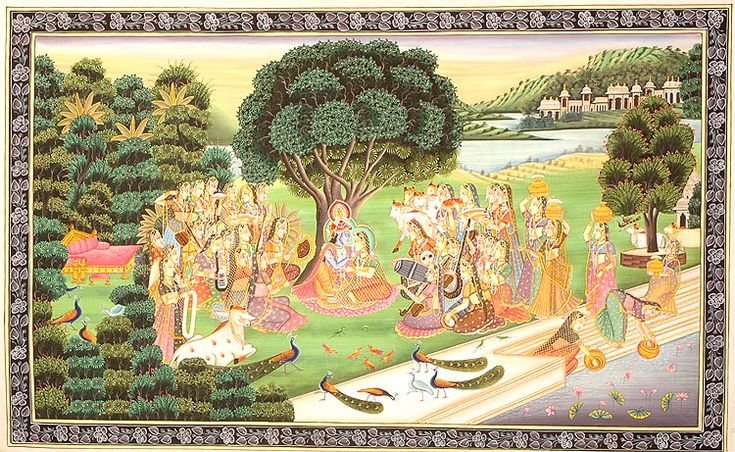
📸 Bahulashtami Mahotsav (Radha Kund Appearance) — Sacred Darshan Gallery

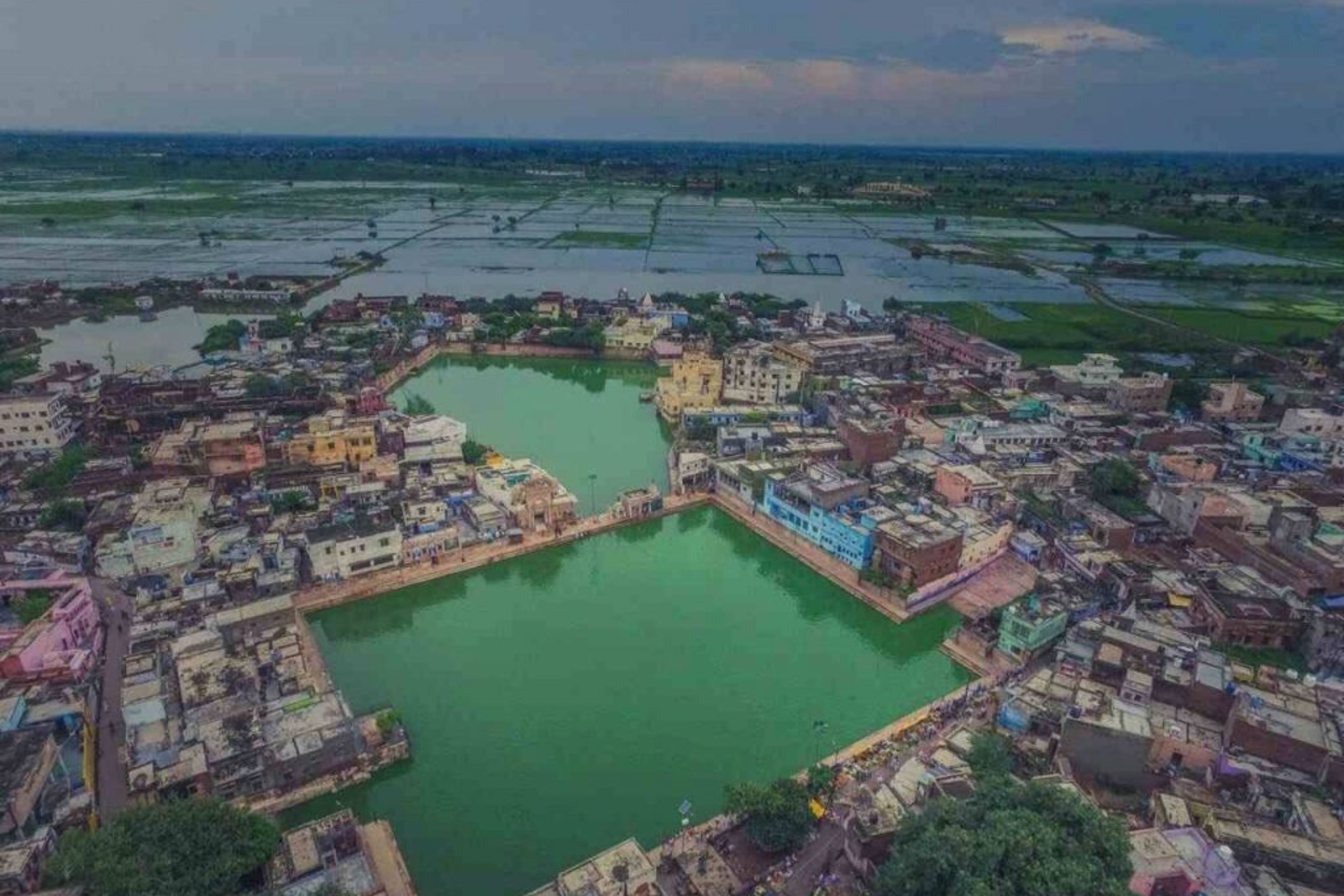
| 🛕 Temple Quick Facts & Pilgrim Summary | |
|---|---|
| Presiding Deity | Srimati Radharani’s Liquid Form (Sri Radha Kund) & Sri Krishna’s Liquid Form (Sri Shyam Kund) |
| Location | Radha Kund Town (Arishta-gram), Northern Foot of Govardhan Hill, Mathura District, UP 281504 |
| Darshan & Aarti | Open 24 Hours on Bahulastami | Peak Nishita Midnight Snan: 11:45 PM to 01:30 AM IST |
| Best Time to Visit | Reach Radha Kund town by 04:00 PM on Ashtami afternoon before police close vehicular entry from Chattikara & Govardhan |
| Special Aarti | Nishita Kaal Midnight Maha-Aarti, Deepdan & Kushmand (Red-Tied White Pumpkin) Offering at 12:00 AM |
| Pilgrim Rules & Advisory | Never step into Radha Kund with soap, shampoo, or footwear; perform achamana on the crown of the head before entering the steps; hold handrails firmly during midnight crowd surge. |
English Overview & Spiritual Insights
1. The Supreme Tirtha of the Three Worlds: Why Radha Kund Outshines Every Holy River
At the northern tip of Govardhan Hill—shaped like the twin eyes of a celestial peacock—lie the two most confidential sacred lakes in the entire Gaudiya and Braj Vaishnava cosmos: Sri Radha Kund and Sri Shyam Kund. In the final verse of the Upadeshamrita (Nectar of Instruction), Srila Rupa Goswami reveals the ultimate hierarchy of spiritual geography: Vaikuntha is superior to the material cosmos; Mathura-mandala is superior to Vaikuntha because Krishna took birth there; the forest of Vrindavan is superior to Mathura because of the Rasa dance; Govardhan Hill is superior to Vrindavan because it was lifted by Krishna’s lotus hand; and standing above even Govardhan Hill is Sri Radha Kund, because it overflows with the liquid essence of Lord Krishna’s own ecstatic love (mahabhava) for Srimati Radharani.
Every year on Kartik Krishna Ashtami—celebrated simultaneously as Bahulastami in Braj and Ahoi Ashtami across northern India—more than three hundred thousand pilgrims converge upon the narrow red-sandstone ghats of Radha Kund for the midnight Nishita Kaal Snan. According to the Padma Purana, when Kamsa’s gigantic bull-demon Arishtasura shook the earth at Arishta-gram, Lord Krishna twisted the demon’s horns and slew him just before dusk. When Krishna approached Srimati Radharani and the Gopis to resume their forest pastimes, Radharani playfully stopped Him, declaring that because He had killed a creature in the form of a bull (Vrishabha), He must first purify Himself by bathing in all the sacred rivers of the universe. Smiling, Krishna struck His heel into the earth at exact midnight, summoning every holy river—Ganga, Yamuna, Saraswati, Godavari, Narmada, Kaveri, and Pushkara—to burst forth as Shyam Kund. Refusing to bathe in a pond touched by Arishtasura’s slayer, Srimati Radharani and the Ashtasakhis broke the soft earth to the west with their golden bracelets and clay pots, forming Sri Radha Kund, into which all the personified Tirthas begged permission to flow through the narrow Sangam bridge.
For devotees planning their 2026 Braj pilgrimage around Radha Kund Bahulastami (Ahoi Ashtami) Midnight Snan 2026 Complete Guide, understanding both the esoteric Rasa-tattva taught by the Six Goswamis of Vrindavan and the ground-level municipal arrangements of the Mathura-Vrindavan Development Authority ensures that your heart remains absorbed in bhajan rather than logistical confusion. Every stone, ghat, and kadamba grove involved in this festival carries five millennia of unbroken liturgical memory preserved by hereditary Brajvasi sevayats.
यथा राधा प्रिया विष्णोस्तस्याः कुण्डं प्रियं तथा । सर्वगोपेशु चैवाति विष्णुनात्यन्तवल्लभा ॥
Yatha Radha priya Vishnos tasyah kundam priyam tatha | Sarva-gopishu chaivati Vishnunatyanta-vallabha ||
Meaning: Just as Srimati Radharani is most dear to Lord Vishnu (Sri Krishna) among all the Gopis of Vraja, so too Her sacred pond, Sri Radha Kund, is equally and supremely dear to Him.
— Padma Purana & Upadeshamrita (Verse 11 by Srila Rupa Goswami)2. Midnight of Kartik Krishna Ashtami: How Arishtasura Vadh Led to the Appearance of Shyam & Radha Kund
The liturgical choreography inside the sanctum follows strict Vaishnava Agama manuals compiled during the sixteenth century by Srila Sanatana Goswami, Srila Gopala Bhatta Goswami, and Swami Haridas Ji. Long before the public temple doors swing open for Mangala or Shringar Darshan, the inner pujaris bathe the Sri Vigraha with warm Yamuna water infused with saffron, camphor, and Tulasi manjaris, followed by the dressing ceremony (Shringar Seva) that reflects the exact seasonal mood (rtu-rag) of this auspicious lunar tithi.
Unlike ordinary calendar holidays, festivals in Braj Dham are governed by the Udita-Tithi (sunrise lunar tithi) calculated specifically for the geographic coordinates of Vrindavan-Mathura (27.58° N, 77.70° E). Even a forty-minute difference between Smarta Panchangs and the Braj Vaishnava Surya-Siddhanta Panchang can shift the celebration of Ekadashi, Ashtami, or Purnima by a full solar day. Always cross-verify the exact Parana and Aarti windows on the Teerthak Braj Vaishnava Panchang before booking train tickets or hotel check-ins.
During the peak Jhanki and Aarti intervals, the priests wave multi-tiered brass lamps fuelled by pure desi cow ghee while the temple musicians play classical Dhrupad and Haveli Sangeet ragas composed by the Ashta-Chhap poets—Surdas, Nandadas, Kumbhandas, and Paramanandadas. Listening attentively to these Braj Bhasha padas reveals the exact internal conversation taking place between Srimati Radharani, Sri Krishna, and the sakhis on this festival day.
3. Exact Bahulastami (Ahoi Ashtami) 2026 Nishita Snan Timings & Kushmand (Petha) Offering Vidhi
To serve the hundreds of thousands of pilgrims arriving via the Yamuna Expressway, NH-19 (Delhi-Agra Highway), and Mathura Junction railway station, the temple management committees and district administration implement a multi-tier time-slot and one-way pedestrian corridor system. Morning darshan sessions typically accommodate fast-moving lines of barefoot yatris, whereas the late-afternoon and evening Utsav windows draw dense family crowds who gather to witness the special floral and silver Poshaak.
Pilgrims travelling with senior citizens above sixty-five, expectant mothers, or young children are strongly advised to target the first ninety minutes after morning opening or the mid-afternoon reopening window at 04:15 PM. Keeping your shoes deposited at the primary outer cloakrooms near Vidyapith Chauraha, Parikrama Marg, or Raman Reti and walking the final 400 meters in thick cotton socks protects your feet while eliminating the need to backtrack against oncoming exit crowds.
Remember that inside the inner Jagmohan halls of Banke Bihari, Radha Raman, Radha Vallabh, and Daan Ghati, pausing to film vertical smartphone videos blocks the line of sight for dozens of devotees behind you. Keep your phone zipped inside an anti-theft neck pouch, hold both hands raised in Pranam Mudra, and lock your gaze upon the lotus feet and smiling eyes of Thakur Ji.
4. Sri Chaitanya Mahaprabhu’s Rediscovery in 1515 CE & Raghunatha Dasa Goswami’s Bhajan Kutir
Walking the physical geography associated with this festival transforms scriptural reading into direct spiritual perception (sphurti). Whether you are standing beneath the ancient banyan roots of Vamshivat, touching the cool marble steps of Radha Kund’s Sangam bridge, offering milk over the pre-cambrian stone ridges of Govardhan’s Mukharvind, or circumambulating the sugarcane mandaps of Sapta Devalaya, every meter of soil (Braj-raj) is revered by great saints as non-different from Goloka Vrindavan.
Along these historic parikrama trails, small whitewashed bhajan kutirs mark the exact spots where Mahaprabhu Sri Chaitanya, Vallabhacharya, Hit Harivansh Mahaprabhu, Swami Haridas, and the Six Goswamis wept in ecstatic separation (vipralambha-bhava) and compiled the canonical texts of Bhakti. Pausing for five minutes at these side shrines to chant a full round (108 beads) of the Hare Krishna Maha-Mantra or Shri Radha Naam anchors your mind in deep peace.
Local Brajvasi children and elderly widows often sit along the parikrama margins singing folk pads and offering tulasi-kunjas or earthen lamps. Supporting them with respectful small offerings of ₹10 or ₹20 bills and receiving their heartfelt blessing—"Sri Radhe Rani kripa karein!"—is one of the sweetest spiritual exchanges of a Braj yatra.
Moreover, devotees who carry a small pocket diary or the Teerthak digital sankalpa log to record the names of the kunds, goshalas, and ancient baithaks visited during this festival find that their daily japa meditation gains remarkable visual focus (smarana-bhakti) for months after returning home from Mathura and Vrindavan.
5. Sacred Landmarks Around the Sangam: Jahnavi Baithak, Jihva Mandir, Teen Kauri & Ashtasakhi Kunjas
While the headline crowd often concentrates at a single famous shrine, seasoned Braj yatris structure their festival day across the interconnected circuit of the Sapta Devalaya (the Seven Goswami Temples of Vrindavan)—Sri Govind Dev, Sri Gopinath, Sri Madan Mohan, Sri Radha Raman, Sri Radha Damodar, Sri Radha Shyamasundara, and Sri Radha Gokulananda—alongside ISKCON Krishna Balaram Mandir and Prem Mandir.
In each of these historic sanctuaries, the same festival tithi expresses a unique devotional flavor (rasa-vishesha). For instance, while Banke Bihari dazzles with magnetic royal opulence and surging waves of devotees, Sri Radha Raman Mandir offers an intimate, museum-grade view of exquisite hand-embroidered zardozi garments, miniature floral architecture (Phool Bangla or Chhappan Bhog platters), and centuries-old ritual precision where a pilgrim can sit quietly on the checkered marble courtyard for half an hour.
Meanwhile, along Bhaktivedanta Swami Marg in Raman Reti, ISKCON Vrindavan and Prem Mandir complement the ancient Goswami havelis with spacious wheelchair-accessible marble plazas, multilingual audio briefings, international kirtan ensembles, and massive hygienic Mahaprasadam distribution counters capable of feeding twenty thousand pilgrims every afternoon.
6. Vaishnava Maryada at Radha Kund: Marjana vs. Full Immersion & Purity Rules
No festival in Braj Mandal is complete without honouring Maha-Prasadam—food that has first been tasted by Sri Radha-Madhava and infused with Tulasi leaves. Depending on the specific tithi of Radha Kund Bahulastami (Ahoi Ashtami) Midnight Snan 2026 Complete Guide, the temple kitchens (Rasoi-ghars) prepare strictly traditional fire-wood and clay-pot recipes using pure desi cow ghee, rock salt (sendha namak), unrefined khand sugar, and seasonal farm produce grown in the fertile alluvial soil along the Yamuna.
When observing an Ekadashi or Ashtami fast during your visit, take care to distinguish between grain-based temple savories (such as bedai-kachori, mathri, or atta-puri) and certified Ekadashi-compliant Phalahari Mahaprasadam (such as kuttu-pakora, singhara-halwa, makhana-kheer, rabri, and fresh fruit platters). Temple prasadam counters at Radha Raman, ISKCON, and MVT clearly label Ekadashi-anukula offerings so your vrata remains 100% intact.
Carrying reusable steel water bottles filled from temple RO kiosks and disposing of leaf-plates (pattals and donas) exclusively inside designated bins rather than along the sacred Parikrama Marg or Yamuna steps is a direct act of Dham-Seva (service to the holy abode) praised by Pujya Premanand Ji Maharaj and all contemporary Braj saints.
7. Police Crowd Management, Barricaded Parikrama Entry & Safe Accommodation Guide
To ensure a stress-free conclusion to your festival yatra, plan your inter-town transport and accommodation at least thirty to forty-five days in advance. On major festival peaks between Sharad Purnima, Bahulastami, Diwali-Govardhan Puja, Gopashtami, and Kartik Purnima, the Mathura district police enforce strict outer-ring vehicle barriers at Chattikara Crossing (NH-19), Masani Link Road, Pagal Baba Mandir, and Govardhan Chauraha.
Private cars and out-of-state tourist buses are directed into paved multi-level parking zones equipped with CCTV and fast shuttle connectivity. From these hubs, government-regulated E-rickshaws and battery golf carts transport families directly to the pedestrian barricade entry gates for ₹20 to ₹30 per passenger. Keep offline screenshots of your guest house address, emergency contact numbers, and the Teerthak App’s live Aarti & Panchang screen saved on your phone in case high crowd density temporarily slows mobile data networks.
Before departing Braj Dham, bow down to touch a pinch of sacred Braj-raj to your crown, offer a lamp of gratitude at the bank of Mother Yamuna, and pray to Srimati Radharani for the supreme benediction: that your mind may remain forever tethered to the lotus feet of Sri Radha-Shyamasundara and that She may call you back to Vrindavan again and again.
राधा कुंड बहुलाष्टमी (अहोई अष्टमी) अर्धरात्रि स्नान 2026 संपूर्ण गाइड: प्राकट्य कथा, रात्रि 12 बजे का शुभ मुहूर्त एवं सुरक्षा नियम
कार्तिक कृष्ण अष्टमी (बहुलाष्टमी / अहोई अष्टमी) 2026 पर श्री राधा कुंड और श्याम कुंड में होने वाले दिव्य अर्धरात्रि महास्नान की संपूर्ण जानकारी: राधा-श्याम कुंड प्राकट्य लीला, संतान प्राप्ति एवं भक्ति हेतु पेठा (कूष्मांड) समर्पण विधान और प्रशासन की सुरक्षा गाइडलाइन।
1. तीनों लोकों का सर्वोच्च तीर्थ: क्यों श्री राधा कुंड समस्त पवित्र नदियों का मुकुटमणि है
श्री गिरिराज गोवर्धन पर्वत के उत्तरी शिखर (मयूर की दोनों आँखों के स्थान) पर संपूर्ण वैष्णव जगत के दो सबसे गुप्त और सर्वोच्च पवित्र सरोवर विराजमान हैं—श्री राधा कुंड और श्री श्याम कुंड। श्रील रूप गोस्वामी ने अपने 'श्री उपदेशामृत' के ग्यारहवें श्लोक में आध्यात्मिक भूगोल का सर्वोच्च रहस्य प्रकट करते हुए लिखा है कि वैकुंठ से श्रेष्ठ मथुरा पुरी है, मथुरा से श्रेष्ठ रास-स्थली वृन्दावन है, वृन्दावन से श्रेष्ठ गोवर्धन पर्वत है, किंतु गोवर्धन से भी कोटि-गुना श्रेष्ठ श्री राधा कुंड है, क्योंकि यह स्वयं श्रीमती राधारानी के महाभाव-रस का द्रव स्वरूप है।
प्रतिवर्ष कार्तिक मास के कृष्ण पक्ष की अष्टमी तिथि—जिसे ब्रज में 'बहुलाष्टमी' और लोक में 'अहोई अष्टमी' कहा जाता है—की अर्धरात्रि को तीन लाख से अधिक श्रद्धालु श्री राधा कुंड के घाटों पर महास्नान के लिए एकत्रित होते हैं। पद्म पुराण की कथा के अनुसार जब कंस के भेजे वृषभासुर (अरिष्टासुर) का भगवान श्रीकृष्ण ने वध किया, तब श्रीमती राधारानी और सखियों ने हास्य-विनोद में कहा कि बैल के रूप में स्थित असुर को मारने से आपको गो-वंश वध का दोष लगा है, अतः समस्त तीर्थों में स्नान किए बिना हमें स्पर्श न करें। तब भगवान श्रीकृष्ण ने ठीक अर्धरात्रि (निशीथ काल) में अपनी एड़ी के प्रहार से पाताल से समस्त पवित्र नदियों को बुलाकर 'श्याम कुंड' प्रकट किया। इसके प्रत्युत्तर में श्रीमती राधारानी ने अपनी सखियों के साथ अपने कंगनों से पश्चिम दिशा में भूमि खोदकर 'श्री राधा कुंड' प्रकट किया, जिसमें श्याम कुंड के समस्त तीर्थों ने प्रणाम कर प्रवेश करने की अनुमति माँगी।
वर्ष 2026 में राधा कुंड बहुलाष्टमी (अहोई अष्टमी) अर्धरात्रि स्नान 2026 संपूर्ण गाइड के पावन अवसर पर ब्रज धाम की यात्रा करने वाले प्रत्येक श्रद्धालु के लिए यह आवश्यक है कि वह षड्गोस्वामियों द्वारा वर्णित रस-तत्त्व के साथ-साथ मथुरा-वृन्दावन प्रशासन की जमीनी दर्शन व्यवस्था को भी भली-भाँति समझे। जब भक्त को आरती के सटीक समय, प्रवेश द्वार और वैष्णव सदाचार का पूर्ण ज्ञान होता है, तब उसका मन भीड़ की व्याकुलता से बचकर पूर्णतः हरिनाम संकीर्तन और रूप-माधुरी के चिंतन में रमता है।
2. कार्तिक कृष्ण अष्टमी की अर्धरात्रि: अरिष्टासुर वध एवं श्याम-राधा कुंड के प्राकट्य की लीला
वृन्दावन के प्राचीन देवालयों में उत्सव सेवा की विधि सोलहवीं शताब्दी में श्रील सनातन गोस्वामी, श्रील गोपाल भट्ट गोस्वामी और स्वामी हरिदास जी द्वारा स्थापित आगम-ग्रंथों के अनुसार संपन्न होती है। आम श्रद्धालुओं के लिए पट खुलने से कई घंटे पूर्व ही पुजारीगण केसर, कपूर, गुलाब जल और तुलसी मंजरी मिश्रित यमुना जल से श्री विग्रह का अभिषेक करते हैं और तिथि के विशेष भाव के अनुरूप रत्नजड़ित पोशाक व आभूषण धारण कराते हैं।
ब्रज के सभी पर्व सामान्य कैलेंडर के बजाय वृन्दावन के अक्षांश-देशांतर (27.58° N, 77.70° E) पर आधारित 'उदिता तिथि' और वैष्णव सूर्य-सिद्धांत पंचांग से निर्धारित होते हैं। कई बार स्मार्त पंचांग और वैष्णव पंचांग में एक दिन का अंतर होता है; अतः अपनी यात्रा से पूर्व 'तीर्थक (Teerthak) ब्रज वैष्णव पंचांग' पर एकादशी पारण, अष्टमी स्नान या पूर्णिमा आरती का सटीक समय अवश्य जांच लें।
जब मंदिर के जगमोहन में शुद्ध देसी गाय के घी के बहु-मंजिला दीपकों से महा-आरती उतारी जाती है और अष्टछाप कवियों—सूरदास, नंददास, कुंभनदास व परमानंददास—के शास्त्रीय पदों का गायन होता है, तब सम्पूर्ण वातावरण गोलोक धाम के समान चिन्मय हो उठता है।
3. बहुलाष्टमी (अहोई अष्टमी) 2026 अर्धरात्रि स्नान मुहूर्त एवं पेठा (कूष्मांड) समर्पण विधान
यमुना एक्सप्रेसवे, राष्ट्रीय राजमार्ग-19 (दिल्ली-आगरा मार्ग) और मथुरा जंक्शन रेलवे स्टेशन से आने वाले लाखों श्रद्धालुओं की सुविधा हेतु मंदिर प्रबंधन और जिला प्रशासन द्वारा एकतरफा (One-Way) बैरिकेडिंग एवं समय-चक्र व्यवस्था लागू की जाती है। प्रातःकालीन दर्शन में पैदल परिक्रमा करने वाले साधकों का तांता रहता है, जबकि सायंकाल के विशेष शृंगार दर्शन में परिवारों की भारी उपस्थिति रहती है।
वरिष्ठ नागरिकों (65 वर्ष से अधिक), गर्भवती महिलाओं और छोटे बच्चों के साथ आने वाले परिवारों को सलाह दी जाती है कि वे प्रातः पट खुलने के प्रथम डेढ़ घंटे के भीतर अथवा सायं 04:15 बजे मंदिर खुलने के तुरंत बाद दर्शन कतार में प्रवेश करें। अपने जूते-चप्पल विद्यापीठ चौराहा, रमण रेती या परिक्रमा मार्ग के अधिकृत क्लोकरूम में ही उतारें और मोटे सूती मोजे पहनकर पैदल चलें।
गर्भगृह के सामने पहुँचकर मोबाइल से रील या सेल्फी बनाने का प्रयास न करें, क्योंकि इससे पीछे खड़े सैकड़ों भक्तों के दर्शन में बाधा उत्पन्न होती है। अपने फोन को सुरक्षित बैग में रखें और दोनों हाथ उठाकर "श्री राधे-श्याम" का उद्घोष करते हुए ठाकुर जी के चरणों से मुखारविंद तक दर्शन करें।
4. सन् 1515 में महाप्रभु द्वारा पुनः प्राकट्य और श्रील रघुनाथ दास गोस्वामी की साधना स्थली
इस महापर्व से जुड़े प्रत्येक लीला-स्थल—चाहे वह वंशीवट की प्राचीन वट-छाया हो, श्री राधा कुंड का संगम घाट हो, गिरिराज गोवर्धन की शिलाएँ हों अथवा सप्त देवालयों के गन्नों से सजे चौक हों—की परिक्रमा करने से शास्त्रों के श्लोक आँखों के सामने सजीव हो उठते हैं। ब्रज की इस पावन रज (ब्रजरज) को ब्रह्मा और उद्धव जी ने भी अपने मस्तक पर धारण करने की प्रार्थना की है।
परिक्रमा मार्ग के दोनों ओर स्थित प्राचीन भजन कुटीरों में आज भी श्री चैतन्य महाप्रभु, महाप्रभु वल्लभाचार्य, हित हरिवंश महाप्रभु और षड्गोस्वामियों की साधना की सुगंध बसी हुई है। इन शांत कुंजों में पाँच मिनट बैठकर हरे कृष्ण महामंत्र या राधा-नाम की एक माला जपना करोड़ों जन्मों के ताप को शांत कर देता है।
मार्ग में मिलने वाले स्थानीय ब्रजवासी बालकों, साधुओं और वृद्ध माताओं को सम्मानपूर्वक प्रणाम करना तथा उन्हें यथोचित भेंट या प्रसाद अर्पित कर उनका आशीर्वाद—"श्री राधारानी कृपा करें!"—प्राप्त करना ब्रज यात्रा का सबसे मधुर फल है।
5. संगम तट के दिव्य दर्शनीय स्थल: जाह्नवा बैठक, जिह्वा मंदिर, अष्टसखी कुंज एवं गोपीनाथ मंदिर
अधिकांश यात्री केवल एक मुख्य मंदिर में भीड़ देखकर लौट जाते हैं, किंतु अनुभवी ब्रज-रसिक अपनी यात्रा को वृन्दावन के प्रसिद्ध 'सप्त देवालयों' (श्री गोविंद देव, श्री गोपीनाथ, श्री मदन मोहन, श्री राधा रमण, श्री राधा दामोदर, श्री राधा श्यामसुंदर और श्री राधा गोकुलानंद) के साथ-साथ इस्कॉन कृष्ण-बलराम मंदिर और प्रेम मंदिर के समन्वित क्रम में नियोजित करते हैं।
इनमें से प्रत्येक मंदिर में उत्सव का एक अनूठा भाव देखने को मिलता है। जहाँ श्री बांके बिहारी जी में राजसी वैभव और भक्तों का अथाह सागर उमड़ता है, वहीं श्री राधा रमण और राधा दामोदर मंदिर के विशाल आँगन में आप आधे घंटे तक शांतिपूर्वक बैठकर सूक्ष्म जरदोज़ी शृंगार, समाज-गायन और अखंड धूप-आरती का निकट से दर्शन कर सकते हैं।
दूसरी ओर, रमण रेती मार्ग पर स्थित इस्कॉन मंदिर और प्रेम मंदिर में व्हीलचेयर रैंप, अंतरराष्ट्रीय संकीर्तन और विशाल महाप्रसाद केंद्रों की उत्तम व्यवस्था रहती है, जहाँ प्रतिदिन हजारों भक्तों को अत्यंत सात्विक प्रसाद वितरित किया जाता है।
6. राधा कुंड स्नान की वैष्णव मर्यादा: मार्जन बनाम अवगाहन स्नान के नियम
ब्रज का कोई भी उत्सव ठाकुर जी को अर्पित किए गए तुलसी-दल युक्त 'महाप्रसाद' का आस्वादन किए बिना पूर्ण नहीं माना जाता। इस पर्व के अवसर पर मंदिरों की पारंपरिक रसोइयों में मिट्टी के बर्तनों और आम की लकड़ियों की आँच पर शुद्ध देसी गाय के घी, सेंधा नमक और यमुना तटीय ताजी सब्जियों व दूध से दिव्य भोग तैयार किया जाता है।
यदि आप एकादशी या अष्टमी के व्रत में हैं, तो सामान्य अन्न-युक्त कचौड़ी-पूड़ी के स्थान पर मंदिर के प्रमाणित 'फलाहारी महाप्रसाद'—जैसे कुट्टू की पकौड़ी, सिंघाड़े का हलवा, मखाने की खीर, केसरिया रबड़ी और ताजे फलों के दोने—का ही सेवन करें। श्री राधा रमण, इस्कॉन और एमवीटी (MVT) के प्रसाद पटल पर एकादशी फलाहारी प्रसाद स्पष्ट रूप से चिह्नित रहता है।
परिक्रमा मार्ग और यमुना घाटों की स्वच्छता बनाए रखना प्रत्येक यात्री का प्रथम धर्म (धाम-सेवा) है। पत्तल, दोने और जल के पात्र केवल निर्धारित कूड़ेदान में ही डालें और पूज्य प्रेमानंद जी महाराज के निर्देशानुसार ब्रज की भूमि को साक्षात् श्री राधारानी का स्वरूप मानकर इसकी पवित्रता की रक्षा करें।
7. यातायात डायवर्जन, पुलिस बैरिकेडिंग एवं सुरक्षित रात्रि विश्राम मार्गदर्शिका
अपनी यात्रा को पूर्णतः सुखद बनाने के लिए आवास और वाहन की व्यवस्था उत्सव तिथि से कम से कम 30 से 45 दिन पूर्व ही सुनिश्चित कर लें। शरद पूर्णिमा, बहुलाष्टमी, गोवर्धन पूजा, गोपाष्टमी और देवउठनी एकादशी जैसे बड़े पर्वों पर मथुरा पुलिस प्रशासन द्वारा छटीकरा चौराहा (NH-19), मसानी लिंक रोड, पागल बाबा मंदिर और गोवर्धन चौराहे पर बाहरी चार-पहिया वाहनों का प्रवेश रोक दिया जाता है।
श्रद्धालु अपने वाहन निर्धारित मल्टी-लेवल पार्किंग में खड़ा कर के सरकारी दरों वाले ई-रिक्शा (₹20 से ₹30 प्रति सवारी) के माध्यम से सीधे मंदिर बैरिकेडिंग द्वार तक पहुँच सकते हैं। भारी भीड़ के कारण मोबाइल नेटवर्क धीमा होने की स्थिति में अपने गेस्ट हाउस का पता, आपातकालीन नंबर और 'तीर्थक (Teerthak) ऐप' का ऑफलाइन पंचांग व मैप अपने फोन में पहले से सुरक्षित रखें।
ब्रज धाम से विदा लेने से पूर्व एक चुटकी पावन ब्रजरज अपने मस्तक पर अवश्य लगाएँ, यमुना महारानी के तट पर कृतज्ञता का एक दीपक प्रज्वलित करें और श्रीमती राधारानी के चरणों में यही प्रार्थना करें कि वे शीघ्र ही आपको पुनः अपने दिव्य धाम के दर्शन हेतु बुलाएँ—जय जय श्री राधे श्याम!
Frequently Asked Questions (FAQ) · अक्सर पूछे जाने वाले प्रश्न
Q1: Why do hundreds of thousands of devotees bathe at Radha Kund at exact midnight (12:00 AM) on Bahulastami / Ahoi Ashtami?
According to the Padma Purana and Govinda-lilamrita, after slaying the bull-demon Arishtasura on the eighth dark night of Kartik (Kartik Krishna Ashtami), Lord Krishna struck His heel at midnight to manifest Shyam Kund, and Srimati Radharani along with Her sakhis dug Radha Kund with their golden bangles at exact midnight (Nishita Kaal). Lord Krishna granted the boon that anyone bathing in Radha Kund at midnight on Bahulastami attains the same prema-bhakti that He holds for Radharani.
पद्म पुराण के अनुसार कार्तिक कृष्ण अष्टमी की अर्धरात्रि को अरिष्टासुर वध के पश्चात भगवान श्रीकृष्ण ने अपनी एड़ी के प्रहार से श्याम कुंड प्रकट किया था और श्रीमती राधारानी व सखियों ने अपने कंगनों से राधा कुंड का निर्माण किया था। भगवान ने वरदान दिया था कि जो भक्त बहुलाष्टमी की अर्धरात्रि को राधा कुंड में स्नान करेगा, उसे राधारानी के समान ही विशुद्ध प्रेम-भक्ति प्राप्त होगी।
Q2: Why do married couples offer a white pumpkin (Petha / Kushmand) wrapped in red cloth into Radha Kund?
Because Bahulastami coincides with Ahoi Ashtami across North India, couples seeking the blessing of healthy progeny (santan prapti) bathe together at midnight in Radha Kund and Shyam Kund and offer a whole white ash-gourd (Petha/Kushmand) decorated with vermilion and red चुनरी (chunari) to Sri Radha-Gopinath.
उत्तर भारत में कार्तिक कृष्ण अष्टमी को अहोई अष्टमी के रूप में भी मनाया जाता है। लोक और शास्त्रीय मान्यता है कि बहुलाष्टमी की अर्धरात्रि को पति-पत्नी द्वारा एक साथ राधा कुंड में स्नान कर लाल चुनरी से सजा साबुत पेठा (कूष्मांड) अर्पित करने से श्री राधारानी की कृपा से योग्य संतान और अखंड सौभाग्य की प्राप्ति होती है।
Q3: How did Srila Raghunatha Dasa Goswami and Sri Chaitanya Mahaprabhu rediscover Radha Kund?
In 1515 CE, Sri Chaitanya Mahaprabhu identified the lost Radha Kund and Shyam Kund inside two small rice paddies named Kali-khet and Gauri-khet in Arishta-gram. Later in 1546 CE, Srila Raghunatha Dasa Goswami excavated and lined both sacred ponds with red sandstone steps using wealth sent from Badrikashrama.
सन् 1515 ई. में श्री चैतन्य महाप्रभु ने अरिष्टग्राम के काली-खेत और गौरी-खेत नामक धान के खेतों में लुप्त राधा कुंड और श्याम कुंड को पहचाना। तत्पश्चात सन् 1546 ई. में श्रील रघुनाथ दास गोस्वामी ने दोनों कुंडों का भव्य उत्खनन कर पक्के घाटों का निर्माण करवाया।
Q4: What is the proper Vaishnava etiquette for bathing in Radha Kund vs. daily achamana?
Great Braj acharyas consider the water of Radha Kund to be the direct liquid form (drava-mayi svarupa) of Srimati Radharani. Outside the auspicious midnight window of Bahulastami or Kartik, many resident Brajvasis respectfully sprinkle three drops of Radha Kund water on their head (marjana) rather than submerging their feet, and never wash clothes or use soap in the kund.
ब्रज के रसिक आचार्यों के अनुसार श्री राधा कुंड का जल स्वयं श्रीमती राधारानी का द्रव स्वरूप है। इसलिए बहुलाष्टमी के महापर्व के अतिरिक्त सामान्य दिनों में अनेक साधक कुंड में पैर रखने के स्थान पर अंजलि से तीन बार जल सिर पर धारण (मार्जन/आचमन) करते हैं, और कुंड में कभी भी साबुन या अपवित्र वस्तु का स्पर्श नहीं करते।
Q5: How should elderly pilgrims and children navigate the crowd at Radha Kund on Bahulastami night?
Between 11:00 PM and 01:00 AM, over 3 lakh devotees gather along the narrow sandstone ghats of Radha Kund. Senior citizens and families with children should perform their bath or marjana earlier between 08:30 PM and 10:15 PM or after 04:00 AM Brahma Muhurta at the less-crowded Lalita Kund and Kusum Sarovar side steps.
रात्रि 11:00 से 01:00 बजे के बीच राधा कुंड के घाटों पर 3 लाख से अधिक श्रद्धालुओं की भारी भीड़ उमड़ती है। अतः बुजुर्गों और छोटे बच्चों वाले परिवारों को सलाह दी जाती है कि वे रात्रि 08:30 से 10:15 के बीच या प्रातः 04:00 बजे ब्रह्म मुहूर्त में स्नान व आचमन संपन्न करें।
Experience Braj Dham with Teerthak (Tirthak)
Never miss a darshan or aarti. Access live temple opening countdowns, crowd heatmaps, offline 21 KM Govardhan Parikrama GPS, and authentic Vedic panchang in Hindi & English.
Sources and Editorial Note
This article was researched by Gaurav Singh Solanki (Founder & Spiritual Researcher). Source pages and temple schedules can change; verify with temple authorities before yatra.
- District Administration Mathura (https://mathura.nic.in)
- Shri Banke Bihari Mandir Trust (https://bihariji.org)
- Prem Mandir Official Timings (https://premmandir.org.in)
- ISKCON Vrindavan Media Cell (https://iskconvrindavan.com)